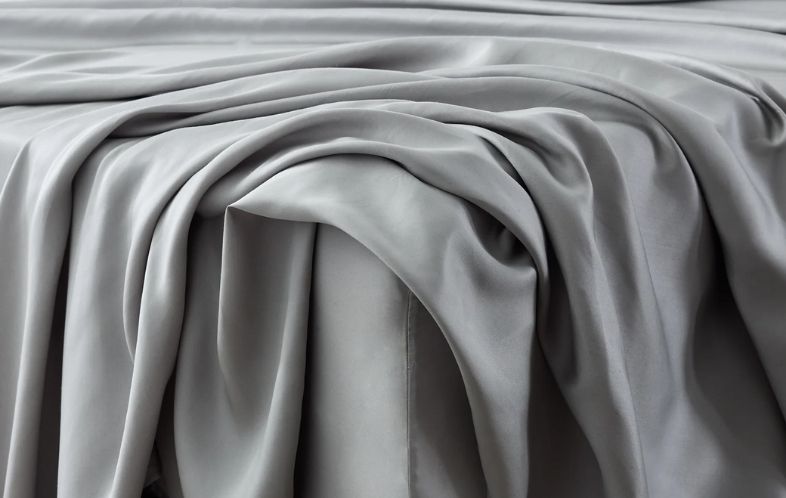
As the Textile Industry Moves Toward Responsible Materials, Tencel Lyocell Gains Popularity
As the textile industry shifts toward materials that are not only comfortable to wear but also produced through a more responsible approach, Tencel Lyocell is i...
LEARN MORE
Choosing the Right Cotton Yarn for Your Production Needs
Choosing cotton yarn for your production needs is not always as simple as picking the thread with the highest perceived quality. Every product has different cha...
LEARN MORE
What Is Tencel Modal? Understanding the Fiber, Its Advantages, and Its Applications
Have you ever worn clothing that felt so soft, lightweight, and comfortable it almost felt like a second skin? These characteristics are determined not just by...
LEARN MORE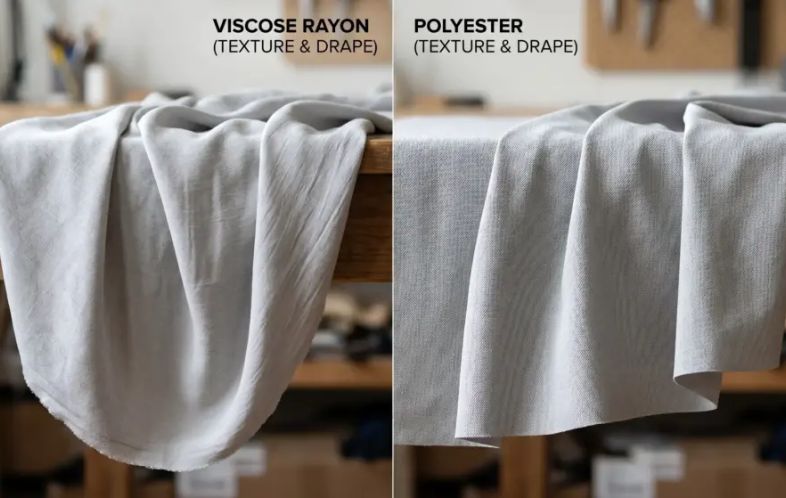
Polyester vs Viscose: Understanding the Differences Between Two Widely Used Fibers
When choosing textile materials, the fiber type is a key factor in determining the final character of a product. Polyester and viscose are both widely used, but...
LEARN MORE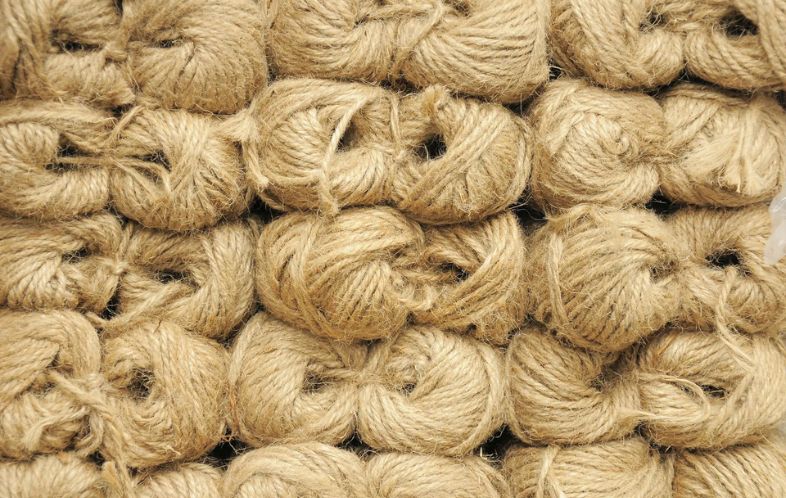
What Is Natural Fiber? Learn Its Types and Characteristics
Not all fabrics feel, look, or behave the same way when used. One of the most decisive factors behind these traits is the type of fiber used as the raw material...
LEARN MORE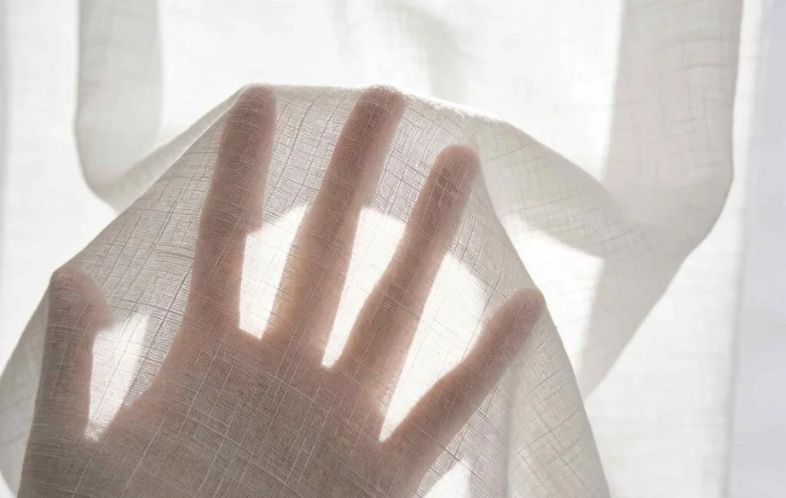
Cotton Combed for Children's Clothing: Is It Truly More Comfortable and Suitable for Kidswear?
Choosing children's clothing isn't just about appealing designs or attractive colors. Behind the look, the fabric itself plays a vital role in determining daily...
LEARN MORE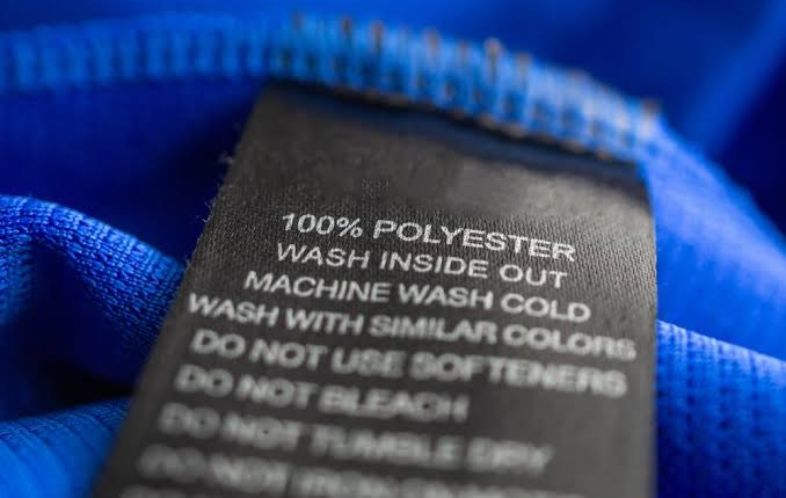
Polyester is Not Just for Fashion: From Home Interiors to the Automotive Industry
Polyester is often associated strictly with clothing and the fashion industry. However, did you know that this fiber also plays a crucial role in various everyd...
LEARN MORE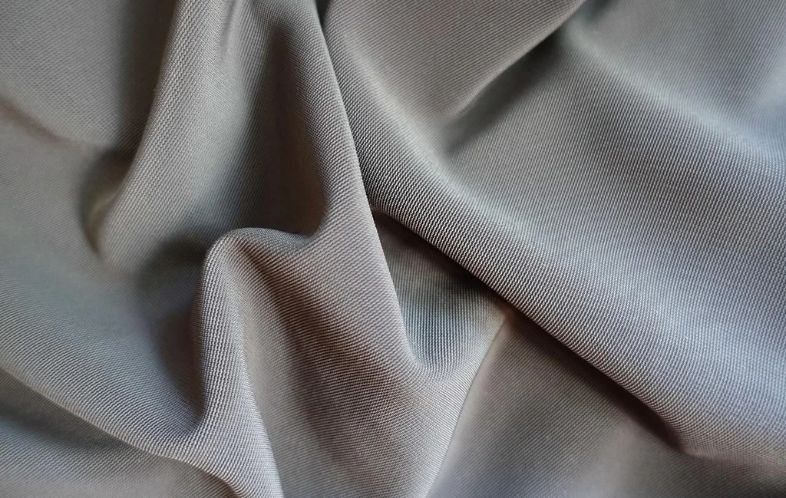
Before Choosing Fabric, Learn What Polyester Blends Are and Their Characteristics
Not all fabrics are made from a single type of fiber. Many textile products used every day—ranging from apparel and uniforms to home textiles—actually combine s...
LEARN MORE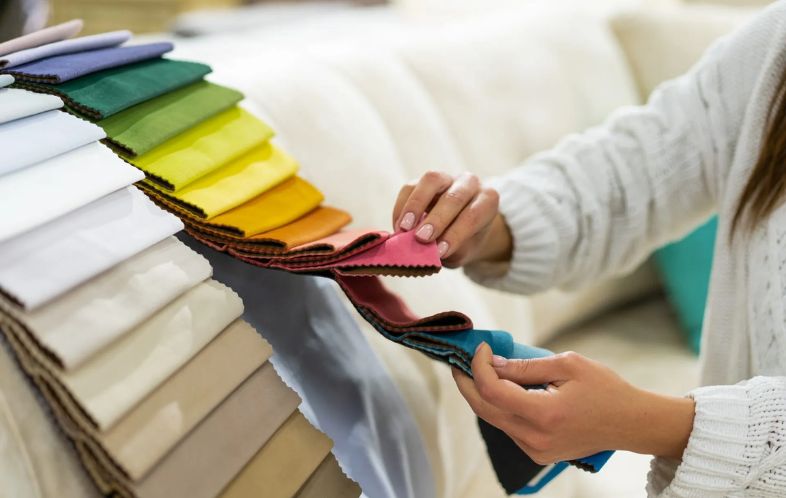
Why is Fabric Finishing Important? Learn Its Types and Functions in the Textile Industry
Why can two fabrics made from the exact same material have different textures, appearances, or performances? The answer lies not only in the type of fiber or th...
LEARN MORE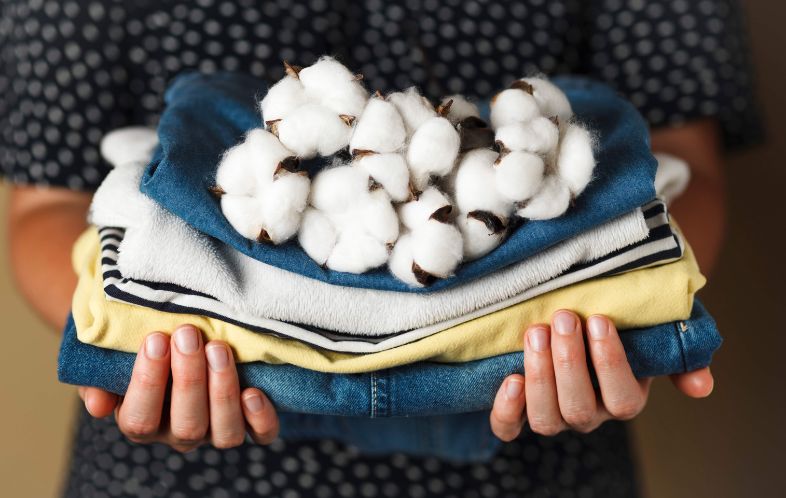
Why Organic Cotton is Becoming the Top Choice for Slow Fashion
In recent years, slow fashion has gained increasing attention as a response to the fashion industry's environmental impact. Large-scale clothing production, hig...
LEARN MORE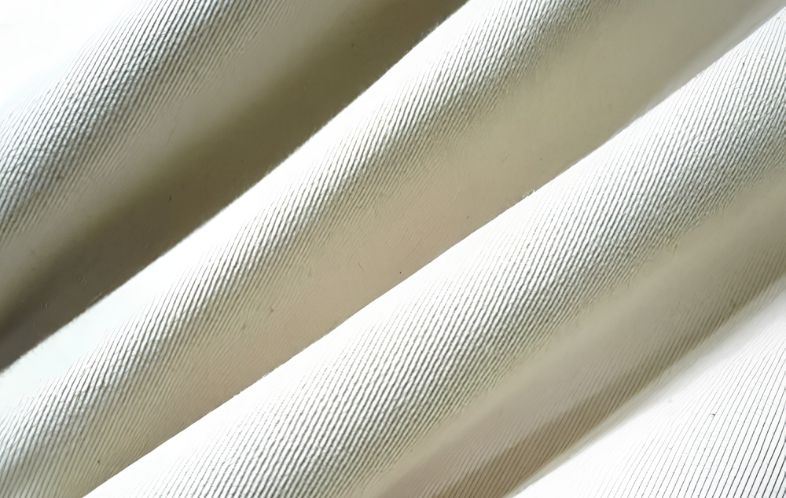
The Differences Between Grade A, B, and C in Greige Woven Fabric: Which One is Right for Your Production?
Choosing greige woven fabric isn't just about the yarn type or weave construction. In the textile industry, fabric quality is also determined through an inspect...
LEARN MORE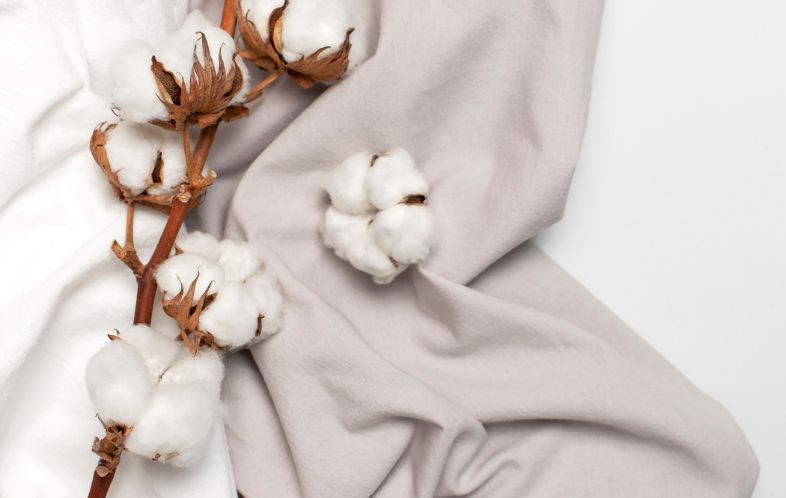
Is 100% Cotton Fabric Good or Not? Check the Facts Before Buying
When choosing clothing or textile products, you might often find a "100% cotton" label on the packaging or product description. This label is frequently conside...
LEARN MORE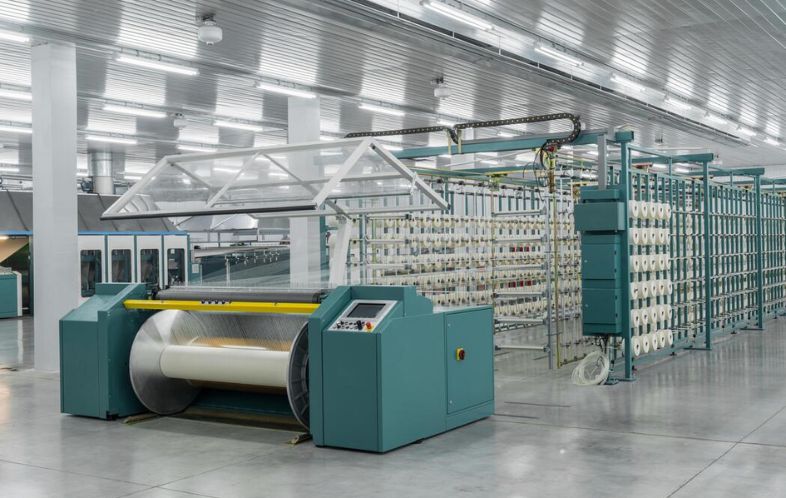
What is the Warping Process? A Crucial Stage that Determines Woven Fabric Quality
The warping process is a preparation stage for warp yarn where a large number of yarns are arranged parallelly and wound onto a warp beam. Its main purpose is t...
LEARN MORE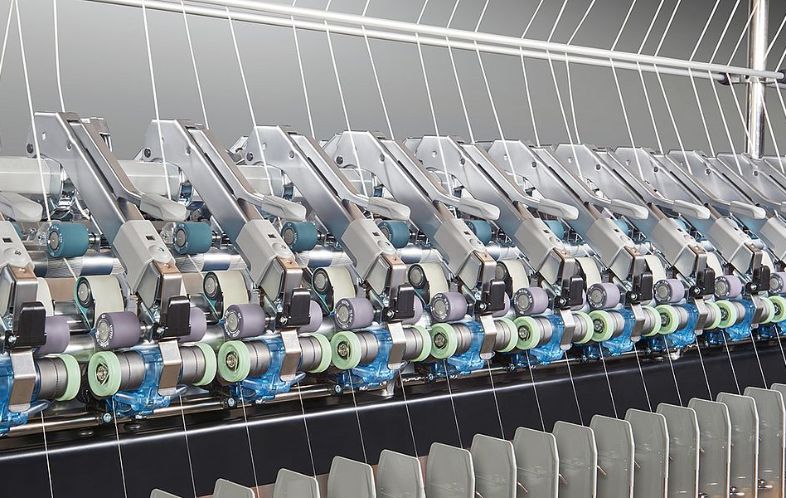
Compact vs Non-Compact Yarn: What's the Difference and Which is Better for Fabric?
In the textile industry, fabric quality is determined not only by the type of fiber used, but also by the yarn formation process. One comparison that often draw...
LEARN MORE
Why Is Textile Testing Important? Its Impact on Product Quality
Have you ever wondered why two fabrics that look similar can perform very differently in actual use? Some fabrics fade quickly, tear easily, or shrink after was...
LEARN MORE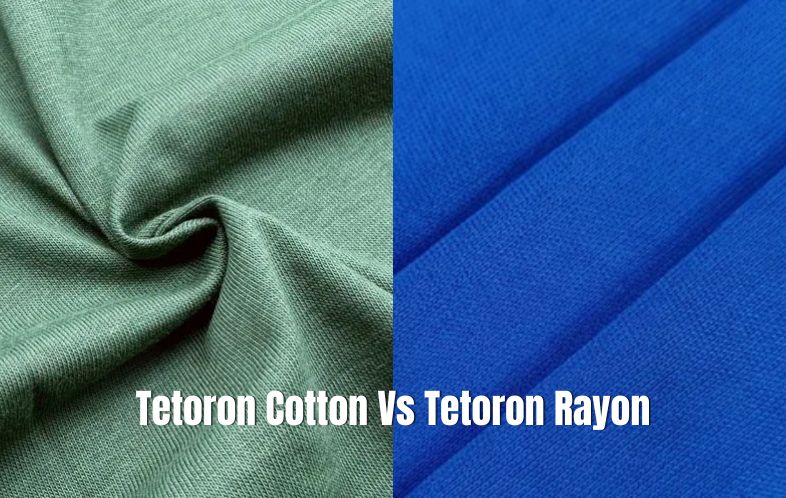
TC vs TR Fabric: Differences Between Tetoron Cotton and Tetoron Rayon Before Choosing
Choosing the right textile material is often a challenge, especially when faced with various fabric options that share similar characteristics. One of the most...
LEARN MORE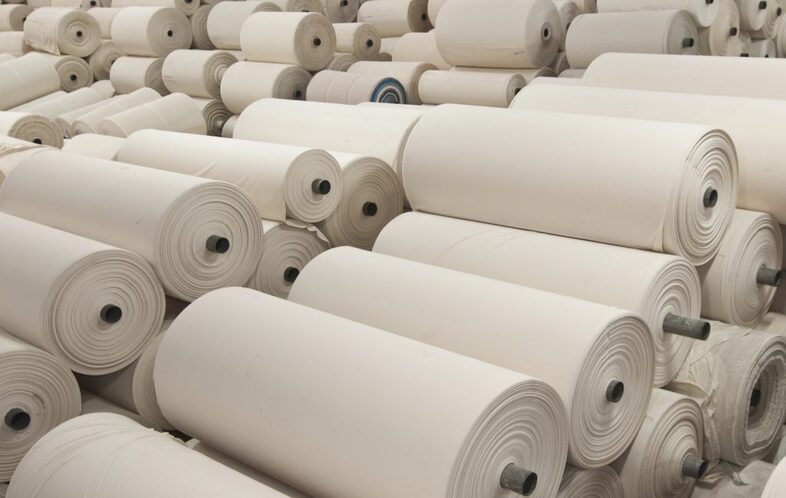
Why Does Greige Woven Fabric Feel Stiff? Here’s the Explanation
When looking at woven fabric in its greige state, some people may assume that the fabric should feel soft because it has not yet undergone any finishing process...
LEARN MORE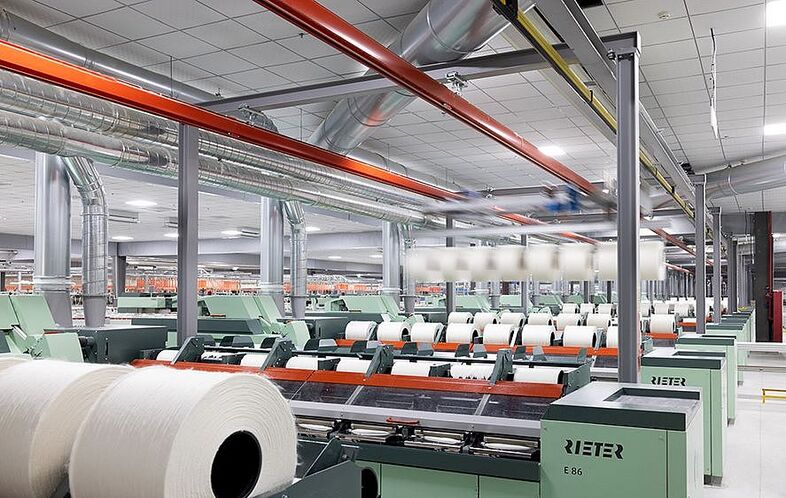
Why Is the Combing Process Important in Producing High-Quality Yarn?
In the textile industry, yarn quality is not only determined by the cotton raw material, but also by the processing stages it goes through. One of the most impo...
LEARN MORE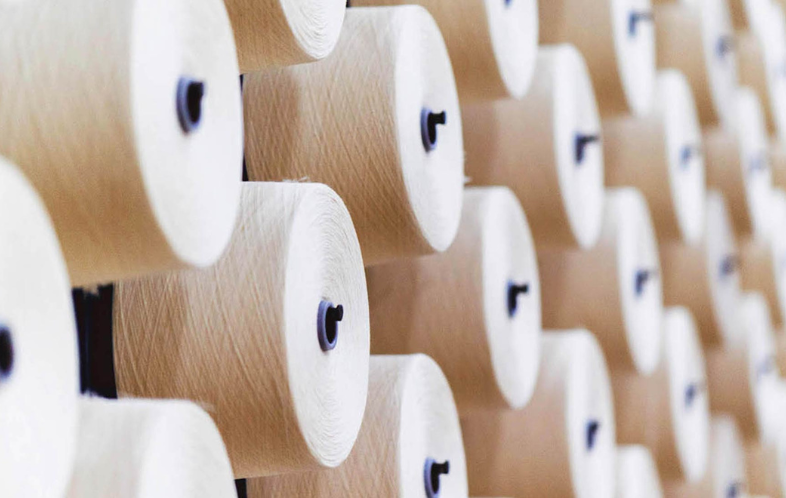
What Are the Advantages of Open-End Yarn? Here is Why the Textile Industry Uses It Widely
In the modern textile industry, production efficiency and yarn quality are two critical factors that are always considered. One type of yarn that is increasingl...
LEARN MORE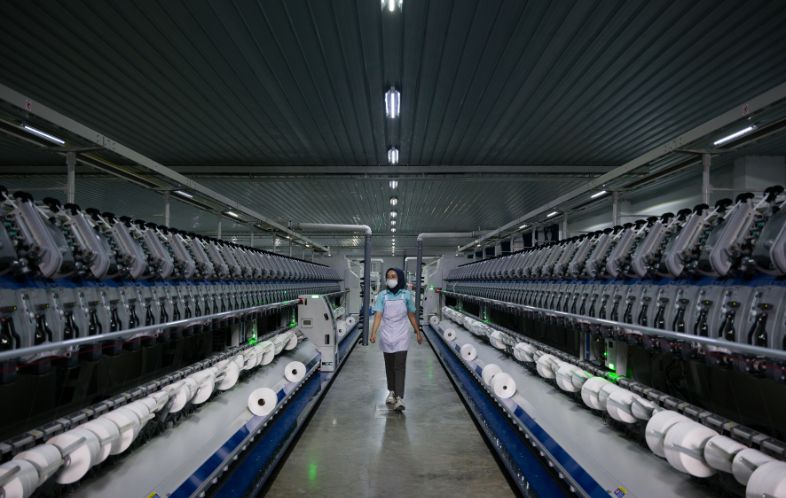
Comparing MVS, Ring Spinning, and Open-End for the Modern Textile Industry
In the ever-evolving textile industry, choosing a spinning system is no longer just about producing yarn, but also about determining production efficiency, fabr...
LEARN MORE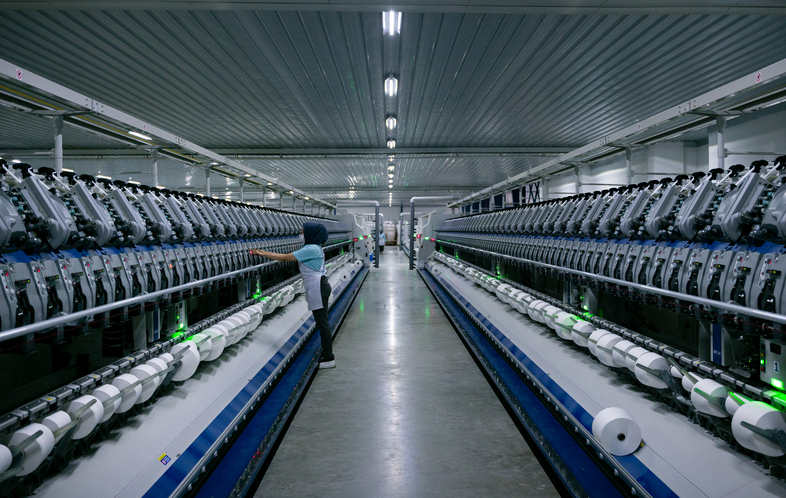
Why Is MVS Spinning Widely Used? Understanding Its Process and Advantages
Technological advancements in the textile industry are not only reflected in finished products, but also in yarn manufacturing processes. One innovation that ha...
LEARN MORE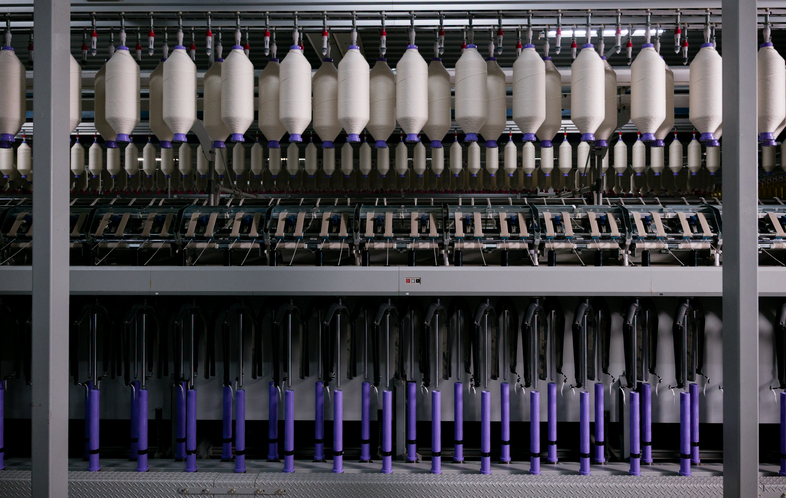
Understanding Cotton Yarn Spinning Process: Complete Guide from Blowing to Winding
Not everyone realizes that cotton yarn used to produce fabrics, garments, and premium textile products goes through a long and detailed manufacturing process. B...
LEARN MORE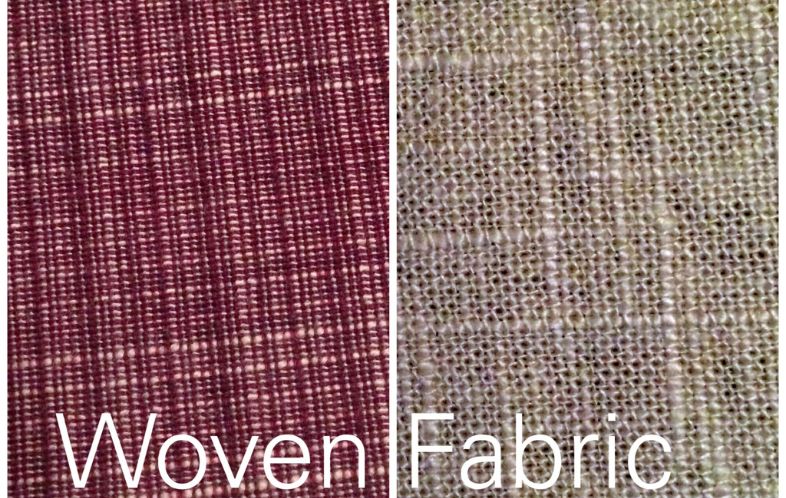
5 Differences Between Woven and Knitting: From Structure to Usage
Choosing the type of fabric is not just about color or texture, but also about understanding how the fabric is made. In the fashion and textile industry, the te...
LEARN MORE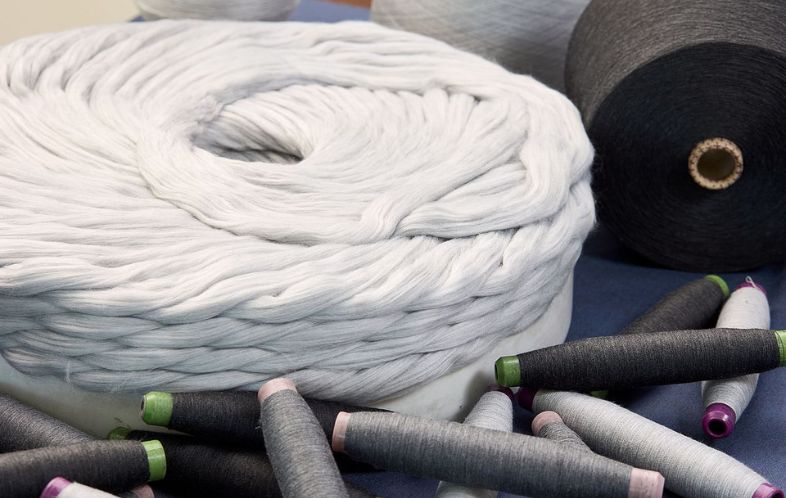
What is Misty Yarn: Understanding Types, Advantages, and How to Choose the Right One for Your Business
Have you ever seen t-shirts or hoodies with a unique speckled gray look—not plain, yet not patterned either? That is the result of misty (melange) yarn. Behind...
LEARN MORE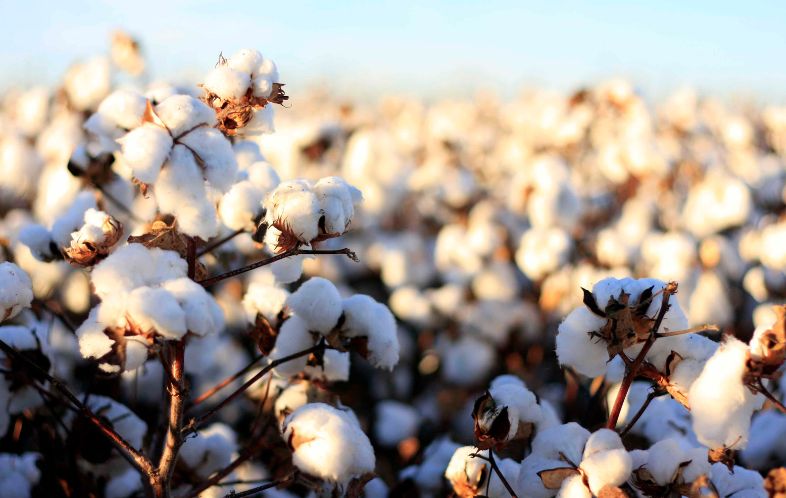
The Secret Behind Quality Fabric: The Role of Cotton Quality in Textile Production
Behind a fabric that feels smooth, strong, and comfortable to wear, there is one important factor that is often unseen: cotton quality. Many textile industry pl...
LEARN MORE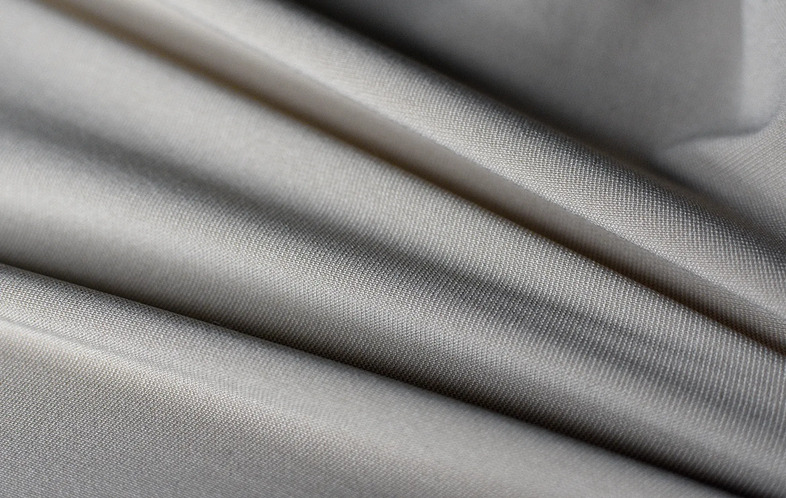
Advantages of Polyester: Why This Material Still Stays in Use Despite Frequent Complaints
Polyester is often considered “uncomfortable”—hot, non-absorbent, and synthetic-feeling. Yet on the other hand, the advantages of polyester make it one of the m...
LEARN MORE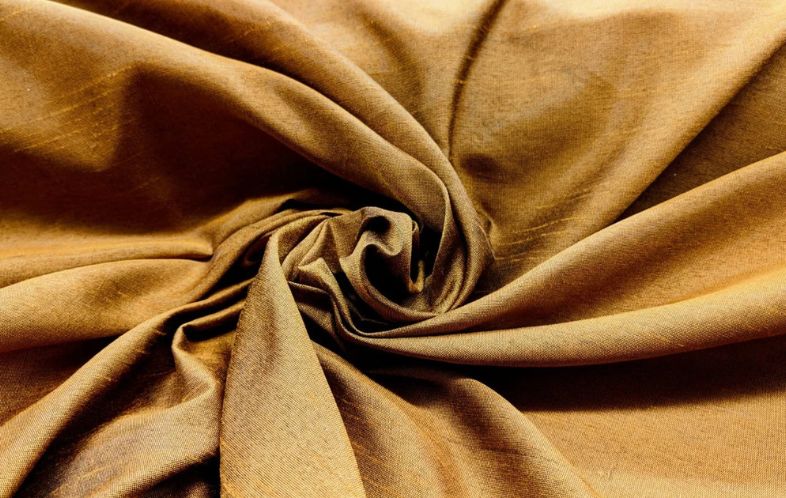
Cotton Combed Vs Silky Cotton: Many Brands Get It Wrong But Actually Very Different
Choosing the right fabric is about more than just "comfort," especially for those in the textile and fashion industries. Many buyers still view Cotton Combed an...
LEARN MORE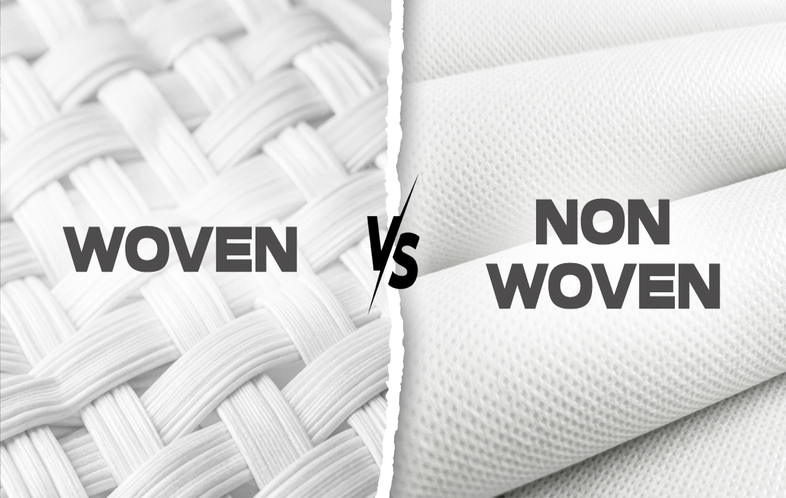
Woven vs Non Woven: Differences, Examples, and How to Choose the Right One for Your Business
In the textile industry, material selection is not just about price or appearance. Many businesses still misunderstand woven and non woven products, even though...
LEARN MORE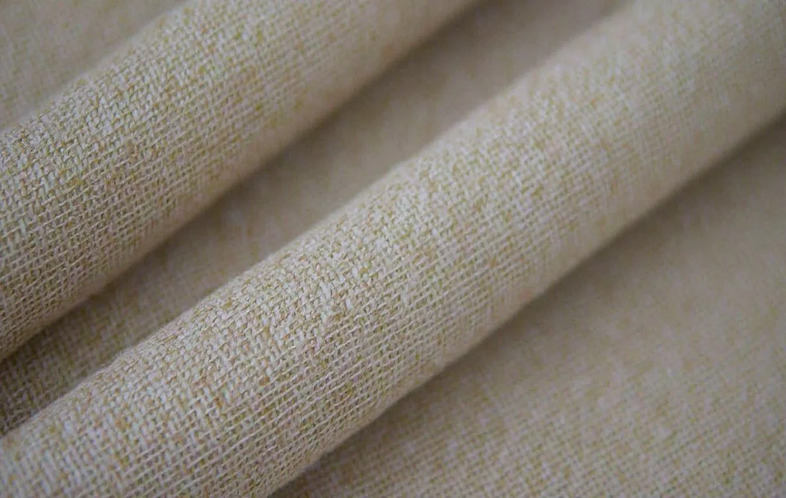
Why Ramie Could Be the Most Sustainable Textile Material in the World
The global textile industry is currently facing increasing pressure to become more environmentally friendly. Consumers are becoming more aware of the environmen...
LEARN MORE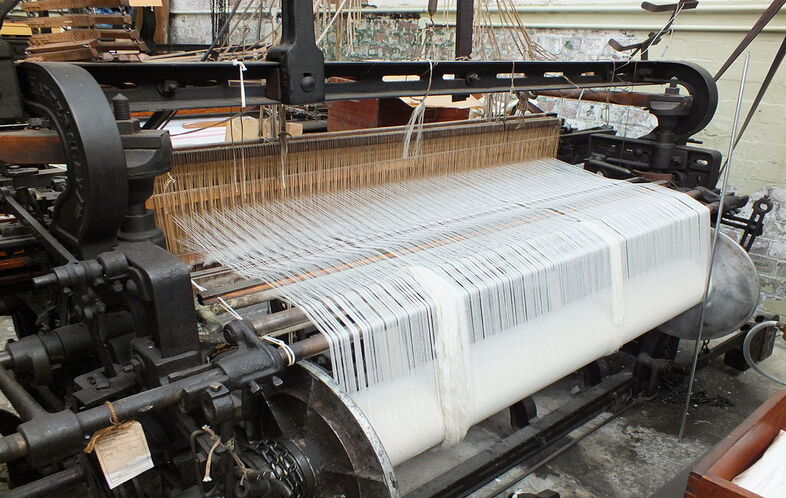
Expensive Fabric vs. Regular Fabric? The Answer Lies in the Weaving Process
Before you read further, have you ever wondered why two fabrics that look similar can have significantly different prices? The answer does not lie solely in the...
LEARN MORE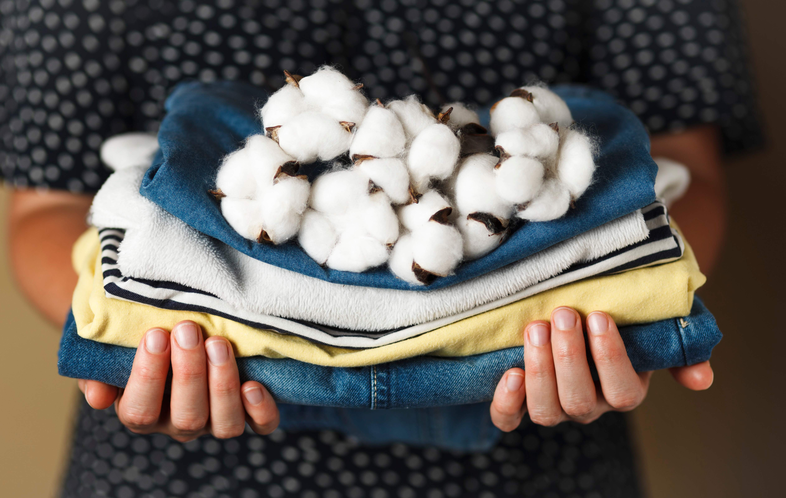
Many People Get Fooled! The Real Differences Between Cotton Types Rarely Explained
Have you ever noticed that clothes labeled cotton can feel completely different from one another? Some feel cool and soft, while others easily trap heat, pill,...
LEARN MORE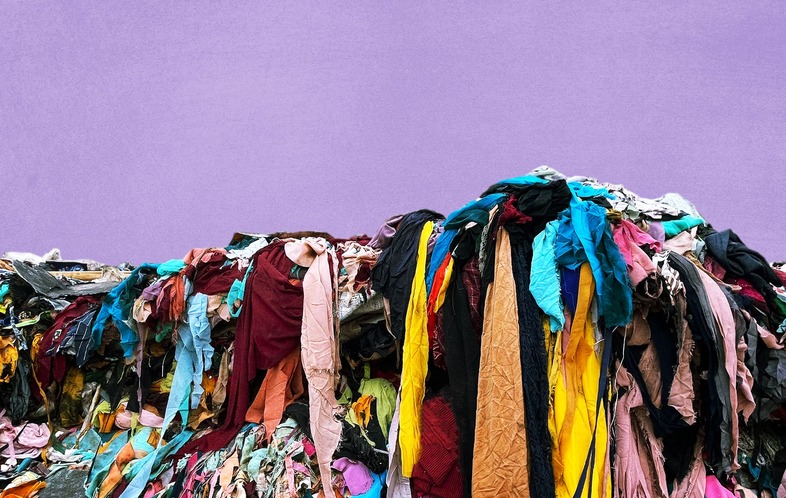
The Latest Textile Recycling Innovation: Textile-to-Textile Recycled Polyester
The global fashion and textile industry is experiencing a major shift, driven by technologies that are truly redefining how we understand textile recycling inno...
LEARN MORE
Most Popular Work Uniform Fabrics Companies Choose in 2026
Have you ever wondered why work uniforms worn by employees often look comfortable, durable, and professional? The answer is not just about design. In fact, the...
LEARN MORE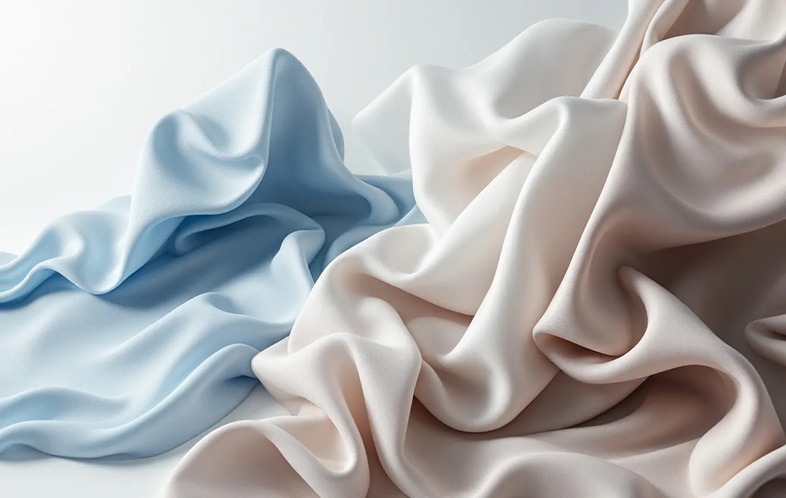
Often Used but Rarely Understood: What Is Polyester Viscose?
Without realizing it, you may have worn polyester viscose fabric many times—whether in workwear, uniforms, or formal clothing. It looks neat, feels fairly breat...
LEARN MORE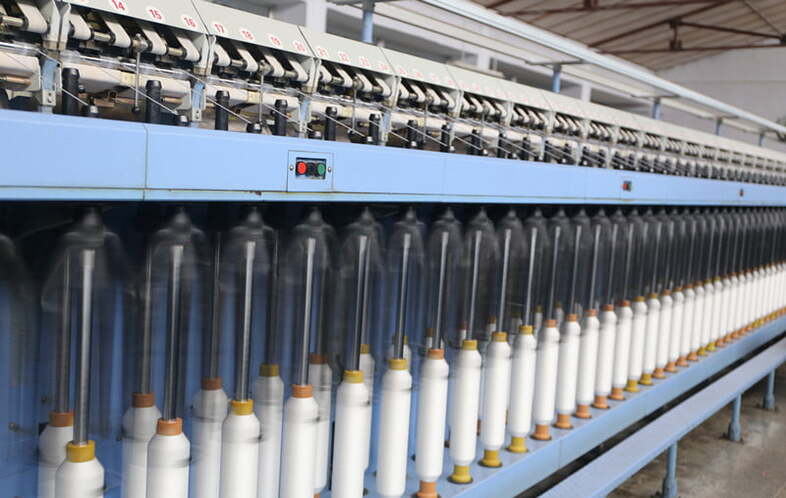
How the Simplex and Roving Process Improves Yarn Quality in Textile Factories
Before the yarn you use in fabrics or finished products comes to life, there is a crucial stage that is often overlooked: the simplex or roving process. Althoug...
LEARN MORE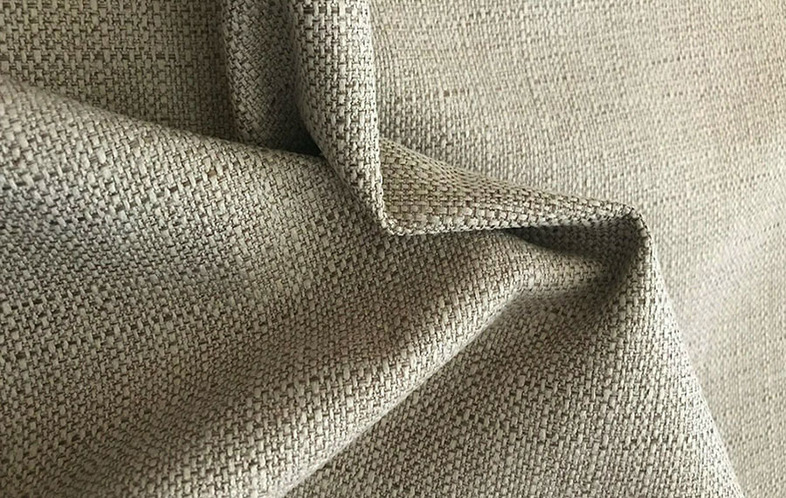
Woven Fabric Clothing: Why It’s the Best Choice for Durable Everyday Wear
Woven fabric is known for its strength, comfort, and durability. This article explores the benefits of woven fabrics, common types, and their everyday applicati...
LEARN MORE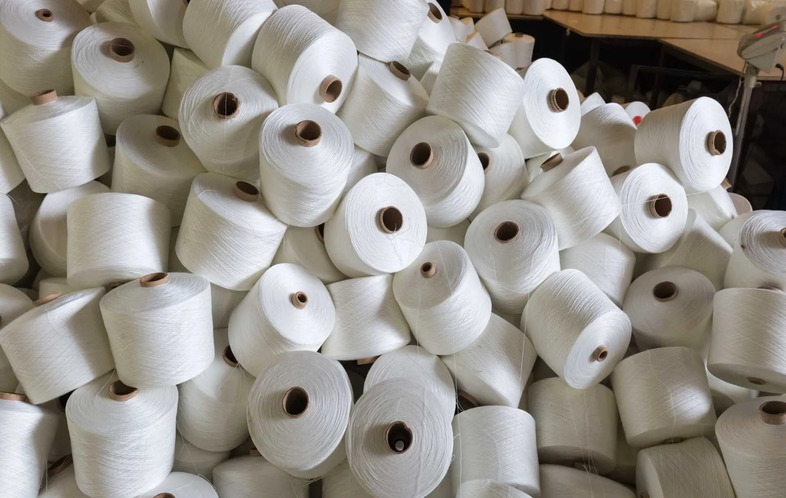
Not All Cotton Is the Same: 7 Ways to Identify High-Quality Cotton Yarn
Discover how to identify high-quality cotton yarn through seven key characteristics, from fiber length to spinning process. This article helps you choose the ri...
LEARN MORE