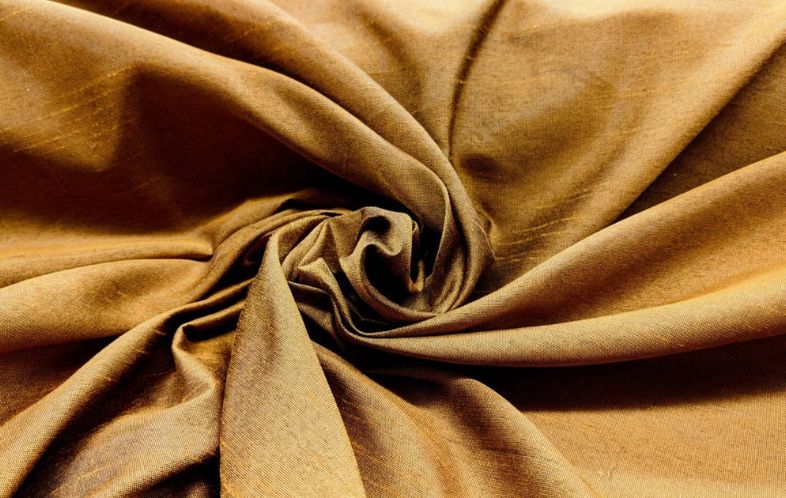
Cotton Combed Vs Silky Cotton: Many Brands Get It Wrong But Actually Very Different
Choosing the right fabric is about more than just "comfort," especially for those in the textile and fashion industries. Many buyers still view Cotton Combed and Silky Cotton as similar variations. In reality, their differences directly impact product positioning, production costs, and end-customer satisfaction. Making the wrong choice can result in a final product that falls short of market expectations.
What are Cotton Combed and Silky Cotton?
Cotton Combed (Filtered fibers for stable quality)
Cotton Combed is a cotton fabric that has undergone a "combing" process to remove short fibers and impurities. The results include:
Fibers are longer and more uniform
Fabric surface is smoother
Better yarn strength
Minimal pilling (fine fuzz) Industrially, cotton combed is often used for premium t-shirts because its quality consistency is better maintained.
Silky Cotton (Finishing for a smooth and lustrous effect)
Silky cotton is not a type of fiber, but rather the result of a finishing treatment on cotton fabric to make it feel softer and look slightly glossy like silk. Usually, this process involves:
Enzymes or bio-polishing
Mercerizing (chemical treatment to increase luster and strength) The final result:
Slicker surface
More “luxury” appearance
Cooler handfeel on the skin
Technical Differences Between Cotton Combed and Silky Cotton
1. Production process
Cotton combed: focuses on raw material improvement (fiber filtering)
Silky cotton: focuses on finishing enhancement (look & feel) Meaning: cotton combed is strong from the “inside,” silky cotton is strong from the “outside.”
2. Texture and handfeel
Cotton combed: naturally soft, breathable, non-slippery
Silky cotton: more slippery, smooth, and feels “cooler” For the premium market, silky cotton often feels more “expensive” in terms of perception.
3. Visual appearance
Cotton combed: matte, clean, minimal
Silky cotton: slightly glossy, more eye-catching This is important for brands that rely on visual merchandising.
4. Durability and maintenance According to textile industry practices and fabric processing standards by Textile Exchange, long fiber quality such as that in cotton combed tends to be more durable against repeated washing.
Cotton combed: more stable in the long run
Silky cotton: may experience a decrease in glossy effect if the finishing is not optimal
5. Product positioning
Cotton combed: suitable for daily wear, basic apparel, mass premium
Silky cotton: suitable for elevated basics, premium fashion, or display-driven products
Important Insights for Buyers & Brand Owners
Many brands get trapped in choosing materials based only on the “first feel.” Yet in production scale, there are other factors that are more crucial:
1. Consistency of supply Cotton combed is usually more consistent between batches because it is based on fiber quality. Silky cotton highly depends on the quality of the finishing, which can differ between factories.
2. Cost vs perceived value Silky cotton often provides higher perceived value without having to change the fiber type. This can be a strategy to:
Increase the selling price
Target the premium segment
Increase product differentiation
3. Compatibility with printing & dyeing
Cotton combed: more stable for screen printing and dye
Silky cotton: needs special attention because the smooth surface can affect ink absorption
So, Which One is Better? The answer is not about which is “better,” but which is more suitable for your business goals.
If you are chasing durability, consistency, and production efficiency, choosing cotton combed is a safe choice.
If chasing a premium look and a more “wow” tactile experience, silky cotton can be a differentiator.
Understanding the difference between cotton combed and silky cotton is not just a technical matter, but a strategy. The right material will help you:
Determine brand positioning
Optimize production costs
Increase customer satisfaction
If you are looking for a textile production partner who understands quality details and B2B market needs, Danar Mas Group is ready to help you from material selection to final production. Contact Us now for a consultation and get the best textile solutions according to your business needs.