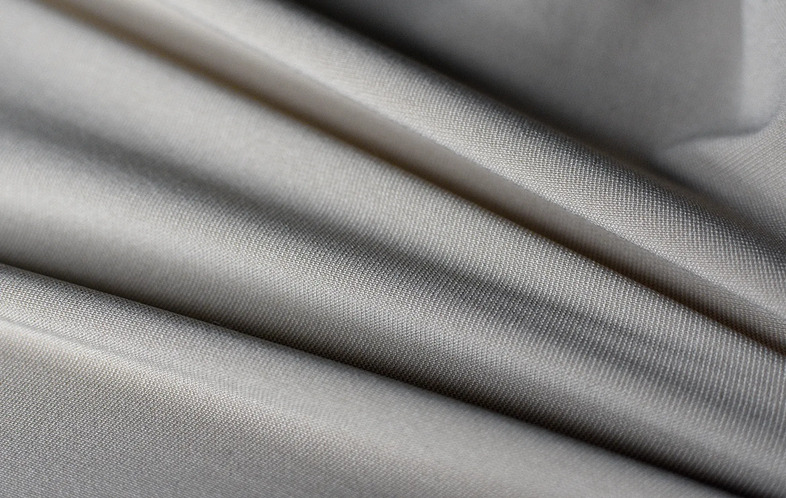
Advantages of Polyester: Why This Material Still Stays in Use Despite Frequent Complaints
Polyester is often considered “uncomfortable”—hot, non-absorbent, and synthetic-feeling. Yet on the other hand, the advantages of polyester make it one of the most widely used materials in the textile industry today.
The question is no longer “why is it still used?” but “what makes polyester so hard to replace?”
1. Stable in Production and Supply
Unlike natural fibers like cotton, which depend heavily on seasons and environmental conditions, polyester is produced industrially. This means its availability is more stable and predictable.
This impacts:
- Consistency of material supply
- Safer production planning
- Better control over price fluctuations
For large-scale production, this stability is a crucial factor.
2. Unmatched Durability
One of the most notable advantages of polyester is its strength. The fiber is known for:
- Resistance to pulling and abrasion
- Low wrinkle tendency
- Minimal shrinkage compared to many natural fibers
In practice, this means products last longer and stay neat even with repeated use.
3. Flexible for Various Product Needs
Polyester is not a “rigid” material. On the contrary, it is highly flexible for development:
- Can be made lightweight for sportswear
- Can be made thick for outerwear or upholstery
- Easily blended with other fabrics (blended fabric)
Additionally, polyester is compatible with various finishing technologies, such as:
- Moisture-wicking
- Anti-bacterial
- UV protection
This makes it relevant across many product categories, from fashion to technical applications.
4. Consistent Quality Across Production
Because it is synthetically produced, polyester has more uniform standards compared to natural materials.
This means:
- More consistent colors
- More stable textures
- Minimal variation between batches
This is important to maintain consistent product quality, especially in large-scale production.
5. Easy to Maintain, More Practical to Use
Polyester is known as a low-maintenance material:
- Dries quickly
- Resists wrinkles
- Requires no special care
Though seemingly simple, this factor greatly influences usage decisions—for both manufacturers and end users.
6. High Performance for Specific Needs
Polyester is widely used in products that require higher performance, such as:
- Activewear (lightweight & quick-drying)
- Work uniforms (durable)
- Home textiles (curtains, sofas, etc.)
Its ability to maintain shape and function makes it ideal for intensive use.
Polyester Is Evolving
Previously, polyester was often criticized for being environmentally unfriendly. Today, the industry has evolved significantly.
Key developments include:
- The rise of recycled polyester (rPET) from plastic bottles
- Adoption of standards like the Global Recycled Standard (GRS)
- Innovations in more energy-efficient production processes
According to industry practices promoted by organizations like Textile Exchange, the use of recycled polyester continues to grow as a more responsible alternative without compromising performance.
This opens a new perspective: polyester is no longer just a “cheap” material but also part of innovative material solutions.
Polyester certainly has its shortcomings, that cannot be denied. However, when viewed comprehensively, the advantages of polyester provide unmatched value: stable, durable, flexible, and continuously evolving with market needs.
That is why, despite frequent complaints, polyester remains widely used across various product lines.
We offer a wide range of polyester materials with guaranteed quality and specifications tailored to your production needs. Contact Danar Mas Group team for consultation and discover the best textile solutions for your requirements.