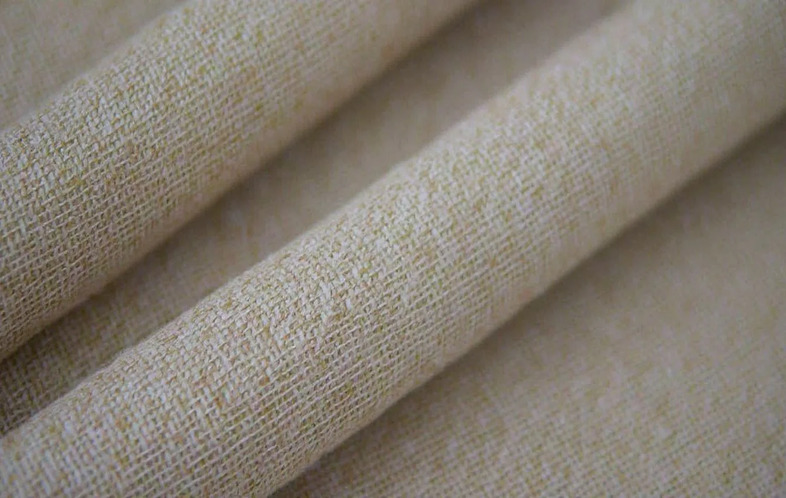
Why Ramie Could Be the Most Sustainable Textile Material in the World
The global textile industry is currently facing increasing pressure to become more environmentally friendly. Consumers are becoming more aware of the environmental impact of the clothing and textile products they use. Amid this shift, many industry players are beginning to look at ramie as one of the most sustainable textile materials available today.
But what exactly makes ramie fiber so special compared to other materials such as cotton or polyester? Let’s take a closer look.
What Is Ramie in the Textile Industry?
A natural fiber used for thousands of years
Ramie is a natural fiber derived from the plant Boehmeria nivea, a member of the nettle family that has been used as a textile material for thousands of years, particularly in East Asia. This fiber belongs to the bast fiber category, similar to linen or hemp.
In the modern textile industry, ramie as a textile material is becoming increasingly popular due to its unique combination of strength, durability, and environmentally friendly characteristics. In fact, ramie is known as one of the strongest natural fibers, with strength that can be several times greater than cotton.
In addition to its strength, ramie fiber is highly breathable, absorbs moisture effectively, and remains comfortable to wear in both hot and humid climates.
Why Is Ramie Considered One of the Most Sustainable Textile Materials?
Significantly lower water consumption than cotton
One of the main reasons ramie is considered an eco-friendly textile material is its significantly lower water requirement compared to other fiber crops.
Producing 1 kilogram of ramie fiber requires only around 500–700 liters of water, while cotton can require approximately 10,000 liters of water for the same amount.
This difference is highly significant, especially amid growing concerns about the global water crisis. With much lower water consumption, ramie becomes a more efficient and sustainable alternative for textile production.
Minimal pesticides and chemical inputs
Ramie plants naturally have strong resistance to pests and diseases. This means they generally require far fewer pesticides or chemical treatments during cultivation.
In conventional textile production, pesticide use can contribute to soil and water pollution. With ramie fiber, this risk can be reduced because the plant naturally withstands many common agricultural threats.
Biodegradable and free from microplastics
Unlike synthetic fibers such as polyester, ramie is a cellulose-based fiber that is fully biodegradable. This means the material can naturally decompose in compost environments within approximately 6–12 months.
This advantage is particularly important in the context of textile sustainability, as synthetic clothing waste can remain in the environment for decades or even centuries while releasing microplastics that pollute oceans.
The Advantages of Ramie in the Modern Textile Industry
Stronger and more durable
Beyond its environmental benefits, ramie fiber is also extremely strong. Some tests suggest that ramie can reach strength levels up to eight times higher than cotton.
This durability allows textile products made from ramie to have a longer lifespan. From a sustainability perspective, longer-lasting products mean less textile waste and fewer replacements over time.
High crop productivity
Ramie plants also have another advantage rarely found in other natural fibers: they can be harvested multiple times per year.
Under optimal conditions, ramie plants can be harvested three to four times annually, while cotton is typically harvested only once per growing season.
This allows for more efficient fiber production without the need to significantly expand agricultural land.
Supporting the circular textile economy
Because it is biodegradable, strong, and long-lasting, ramie fits well within the concept of a circular textile economy.
Textile products made from ramie not only have a long usable life but can also naturally decompose at the end of their lifecycle. This helps reduce the accumulation of textile waste, which has become one of the major challenges facing the global fashion industry today.
The Future of Ramie in Sustainable Textiles
Considering its many advantages, it is not surprising that ramie is gaining renewed attention in the global textile industry. Many fashion brands and textile manufacturers are now developing fabrics made from ramie or blends of ramie with other fibers such as cotton and linen.
These combinations allow the creation of textile materials that are not only high-quality but also more environmentally friendly. As demand for sustainable textile materials continues to grow, ramie has strong potential to become an important material in transforming the textile industry toward a greener future.
With its many advantages, ramie shows strong potential as an eco-friendly textile material. What do you think, will natural fibers like ramie become more widely used in the future?