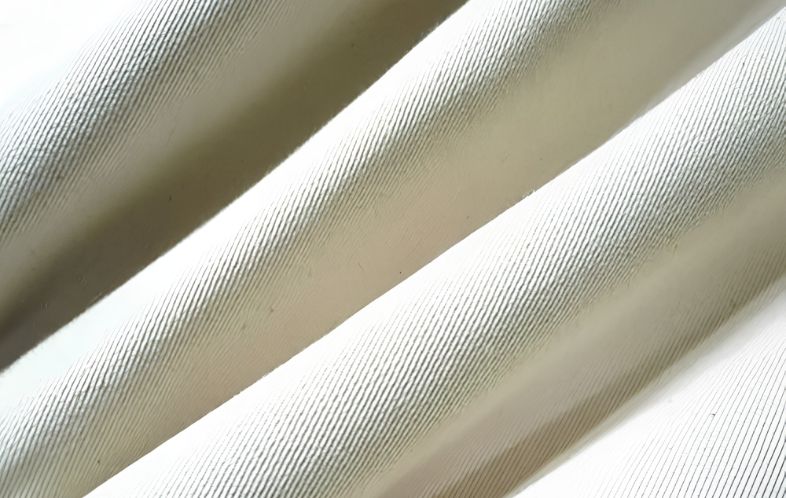
The Differences Between Grade A, B, and C in Greige Woven Fabric: Which One is Right for Your Production?
Choosing greige woven fabric isn't just about the yarn type or weave construction. In the textile industry, fabric quality is also determined through an inspection process that results in grade classifications. Understanding the differences between Grade A, B, and C in greige woven fabric will help you choose the right material for your production needs while optimizing costs and final product quality.
What is Fabric Grading in Greige Woven Fabric?
Grade indicates the quality level of the fabric
Grade is a quality classification for greige woven fabric based on inspection results before the fabric enters the finishing process. At this stage, the fabric is checked to identify various types of defects, such as broken ends, weft or warp yarn variations, construction errors, stains, and holes.
In practice, many textile manufacturers use the 4-Point Fabric Inspection System, a visual inspection method that assigns points based on the size and severity of defects in the fabric. However, it's important to understand that there is no universal standard for Grade A, B, and C. Every mill or buyer can have different tolerance limits according to the agreed product specifications.
The Differences Between Grade A, B, and C in Greige Woven Fabric
Grade A (First Quality)
Grade A or First Quality is the highest quality category. Fabric in this grade has no defects at all, or only very minor flaws. For certain orders, any defects present are within the customer's tolerance, so their points are not counted. This refers to the grading agreement stated in the contract.
Because it meets the buyer's exact specifications, Grade A is generally used for export products, premium brands, and textile products that require a high-quality finished result. Aside from providing a better look, using Grade A also helps minimize the risk of defects in subsequent production processes.
Grade B (Second Quality)
Grade B or Second Quality has minor defects that are still acceptable and perfectly usable for various production needs. These defects generally do not affect the main function of the fabric, but they might impact the visual appearance under certain conditions.
Compared to Grade A, Grade B fabric usually comes at a more economical price, making it a popular choice for domestic market needs, mass production, or products that don't require the highest visual standards.
Grade C (Reject)
Grade C consists of fabric with defects that exceed tolerance limits, meaning it does not meet the quality standards for its primary intended use.
Although often referred to as a reject, it doesn't mean this fabric always goes to waste. Depending on the type and severity of the defects, Grade C can still be repurposed for lower-specification products, sold as reject fabric, or redirected to meet other industrial needs.
Read more: Not for Hardening the Fabric, This is the Function of Tapioca Starch in the Weaving Process
Factors Influencing Grade Determination
The type of grading system used
Every customer has their own grading system, but that doesn't mean there are no set standards. This grading system adapts to the needs of each customer and their target market. Some customers only use Grade A & B, while others utilize A, B, and C grading.
Not just based on the number of defects
Determining the grade doesn't just depend on the number of defects; it also considers the type, size, location, and the impact of the defect on the production process and final product quality.
For example, a hole or defect in a highly visible area definitely carries a different impact compared to a small flaw near the fabric edge. Therefore, the grading result always refers to the inspection standards and specifications agreed upon between the manufacturer and the buyer.
How to Choose the Right Fabric Grade?
Align it with your production needs
Not all production processes require Grade A. If you are manufacturing textiles for export or premium products, Grade A is the right choice. However, if your main focus is cost efficiency while maintaining good quality, Grade B can be a more economical alternative.
Most importantly, make sure the chosen fabric grade matches your final product specifications and required quality standards. By understanding the differences between Grade A, B, and C in greige woven fabric, you can make more precise purchasing decisions while improving production efficiency.
To get high-quality textile products that match your industrial needs, feel free to contact Danar Mas Group. We are ready to help you find the right textile material solutions with quality standards tailored to your production requirements.