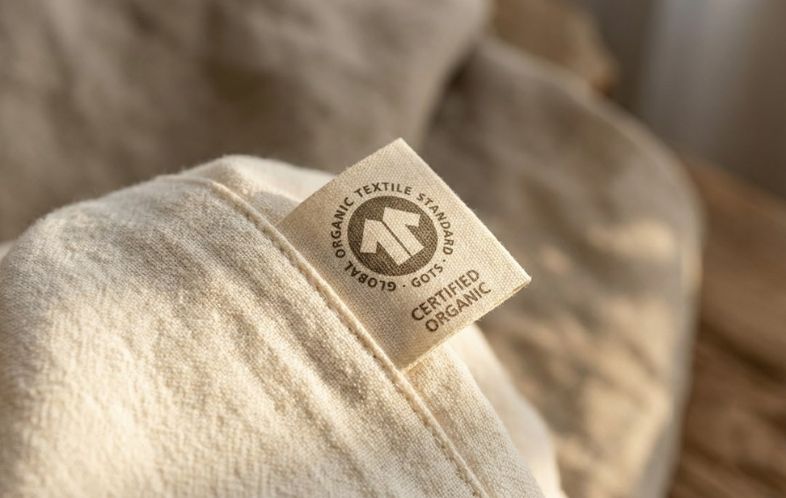
Greenwashing in the Textile Industry: What Is It and How to Recognize It?
As sustainability issues receive growing attention, terms like eco-friendly, sustainable, and environmentally friendly are increasingly appearing across the tex...
LEARN MORE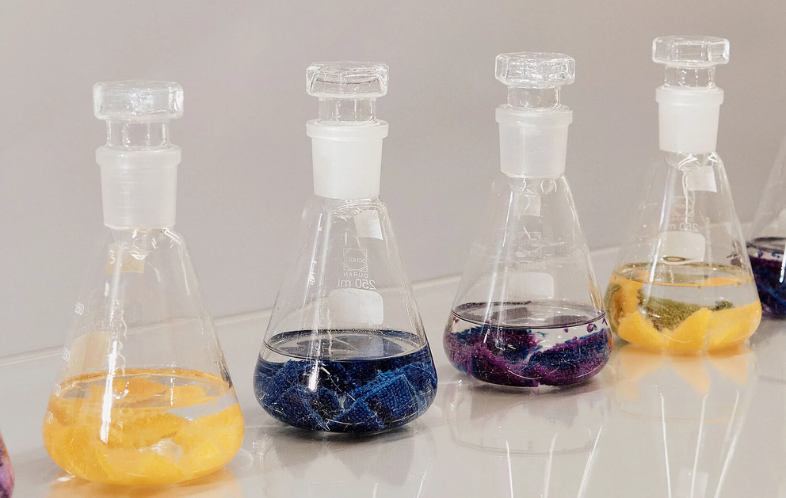
Harmful Chemicals in Textiles: How Important Is Certification for Skin Safety?
Soft and comfortable fabric is naturally an appealing choice. However, comfort alone is not enough to determine whether a textile product has met certain safety...
LEARN MORE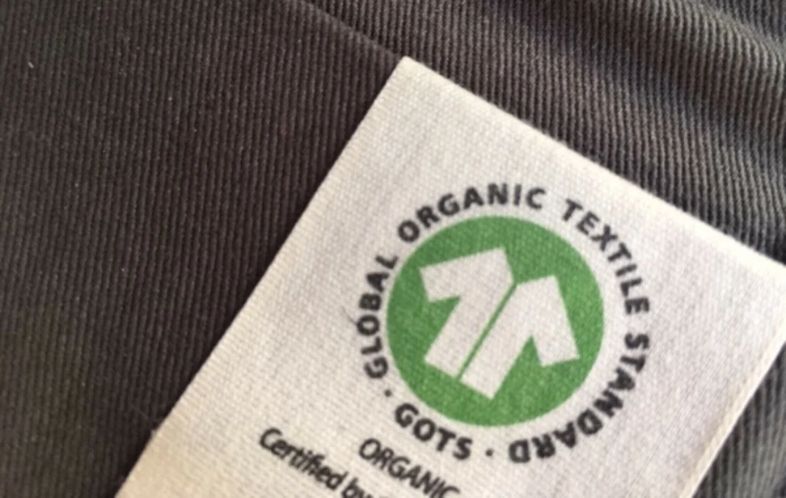
What is GOTS? Understanding the Global Organic Textile Standard for the Industry
As the textile industry places greater emphasis on sustainability, terms like organic textile, sustainable textile, and environmental certifications are being u...
LEARN MORE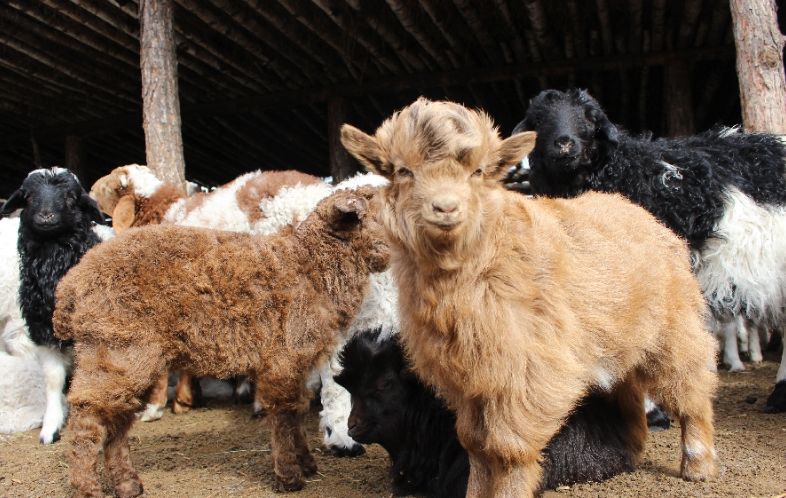
Getting to Know Cashmere Fabric: Characteristics, Pros, and Cons
Have you ever seen a sweater or scarf with a cashmere label and wondered what sets it apart from standard wool? Its exceptionally soft texture and premium price...
LEARN MORE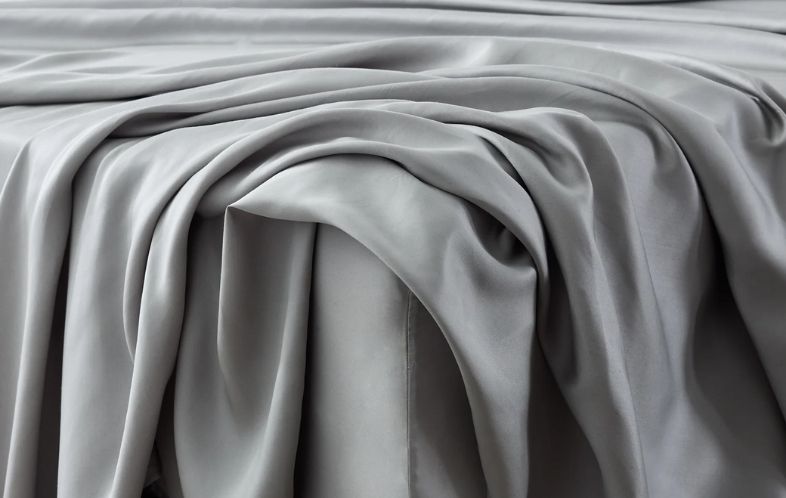
As the Textile Industry Moves Toward Responsible Materials, Tencel Lyocell Gains Popularity
As the textile industry shifts toward materials that are not only comfortable to wear but also produced through a more responsible approach, Tencel Lyocell is i...
LEARN MORE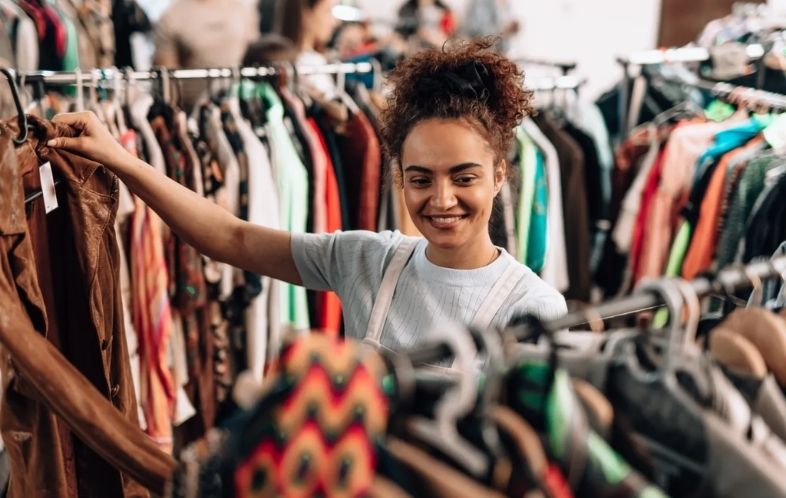
Gen Z Chooses Sustainable Fashion Isn't Just About the Environment, Here's Why!
Ever feel like today's fashion trends move way too fast? One style goes viral today, only to be replaced by a new trend a few weeks later. In the middle of this...
LEARN MORE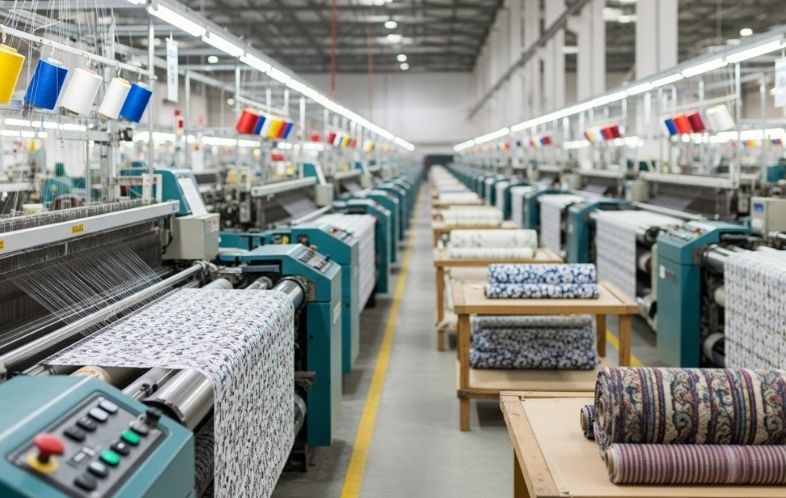
2026 Textile Industry Trends: What Is Changing in the Global Market?
The textile industry continues to evolve in line with changing consumer demands, technological advancements, and the push for more responsible production proces...
LEARN MORE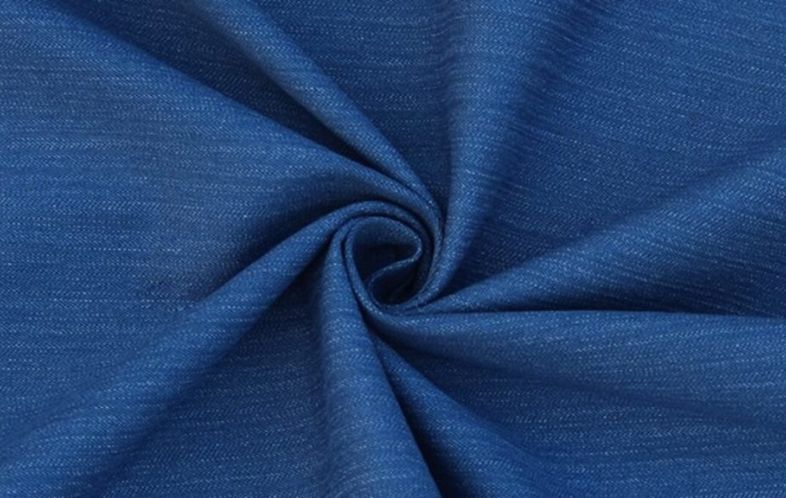
Choosing the Right Cotton Yarn for Your Production Needs
Choosing cotton yarn for your production needs is not always as simple as picking the thread with the highest perceived quality. Every product has different cha...
LEARN MORE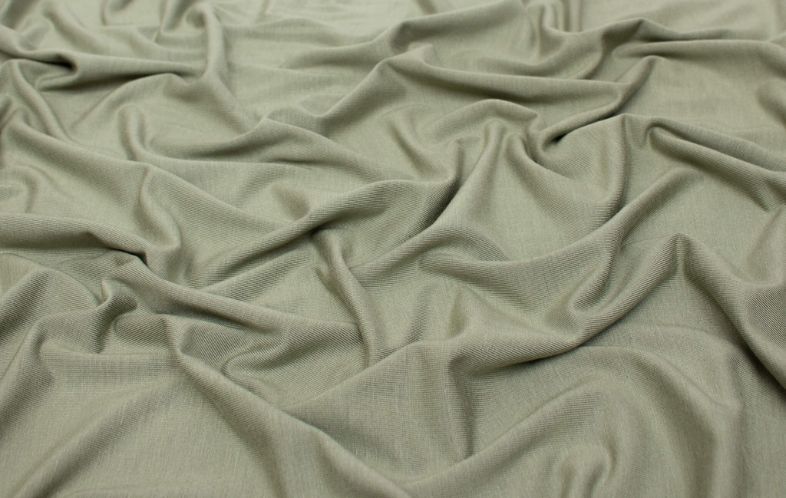
What Is Tencel Modal? Understanding the Fiber, Its Advantages, and Its Applications
Have you ever worn clothing that felt so soft, lightweight, and comfortable it almost felt like a second skin? These characteristics are determined not just by...
LEARN MORE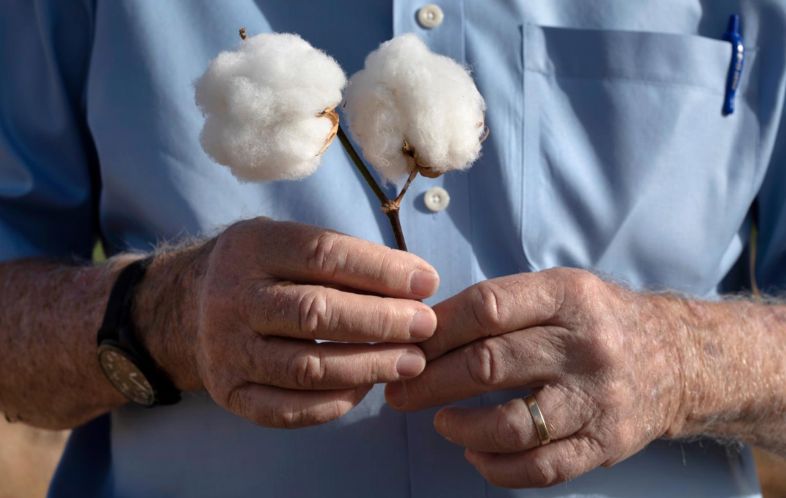
U.S. Cotton in the Textile Industry: Consistency, Quality, and Sustainability
In the textile industry, raw material selection is a crucial factor that determines process consistency and yarn quality. U.S. Cotton has become a widely used c...
LEARN MORE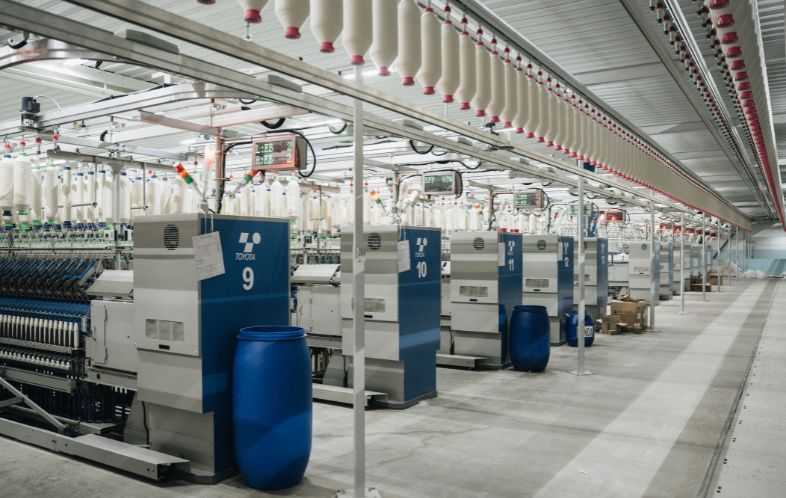
How Ring Frames Convert Roving into Yarn: The Step-by-Step Process
In textile manufacturing, a seemingly simple thread actually undergoes a surprisingly long sequence of operations. Before it is ready for weaving or knitting, f...
LEARN MORE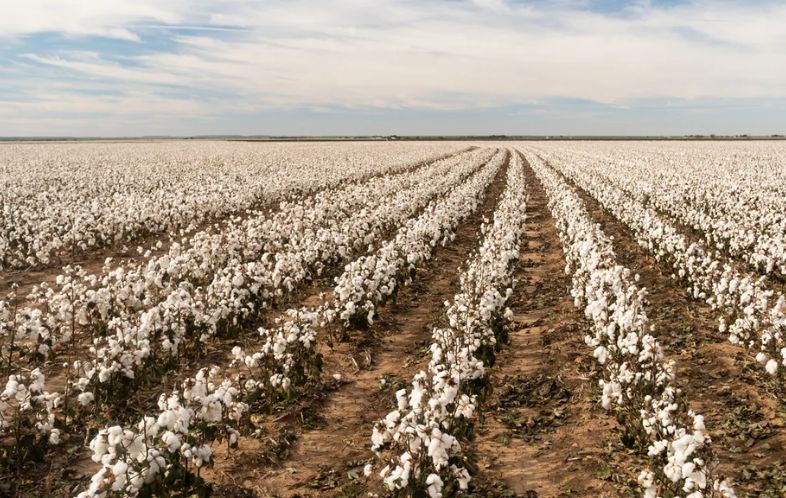
Why Does Cotton Vary by Region? Understanding the Impact of Climate and Soil
Cotton may appear simple once it is transformed into fabric. However, before reaching the spinning and weaving stages, cotton fibers undergo a long process heav...
LEARN MORE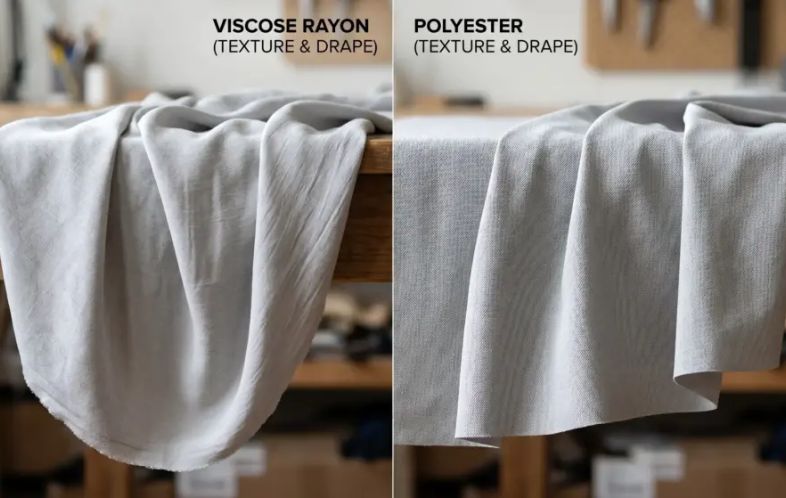
Polyester vs Viscose: Understanding the Differences Between Two Widely Used Fibers
When choosing textile materials, the fiber type is a key factor in determining the final character of a product. Polyester and viscose are both widely used, but...
LEARN MORE
TENCEL™ Prospects for 2026: Business Opportunities Behind the Sustainable Fabric Trend
Why are major fashion brands suddenly racing to include "TENCEL™" on their product labels? Well, this isn't just a passing trend—there's a solid business reason...
LEARN MORE
What Is Natural Fiber? Learn Its Types and Characteristics
Not all fabrics feel, look, or behave the same way when used. One of the most decisive factors behind these traits is the type of fiber used as the raw material...
LEARN MORE
Cotton Combed for Children's Clothing: Is It Truly More Comfortable and Suitable for Kidswear?
Choosing children's clothing isn't just about appealing designs or attractive colors. Behind the look, the fabric itself plays a vital role in determining daily...
LEARN MORE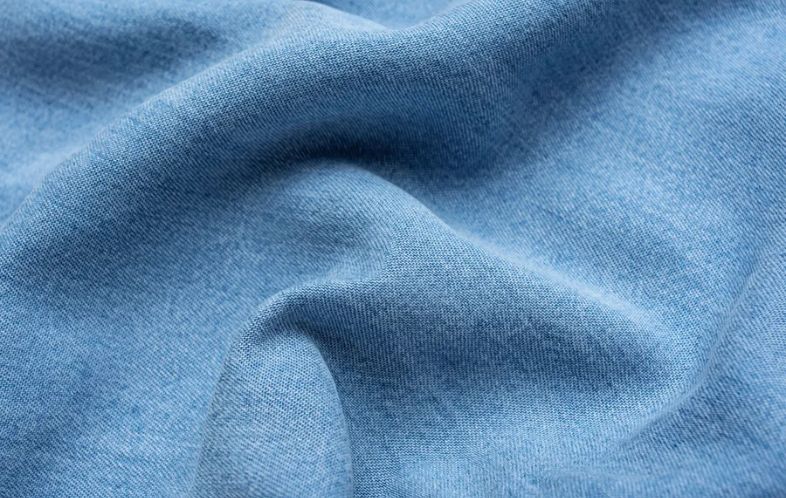
TENCEL™ Lyocell vs TENCEL™ Modal: What's the Difference and Which is More Comfortable?
When choosing textile materials, many people assume that all TENCEL™ fibers share the exact same characteristics. In reality, TENCEL™ Lyocell and TENCEL™ Modal...
LEARN MORE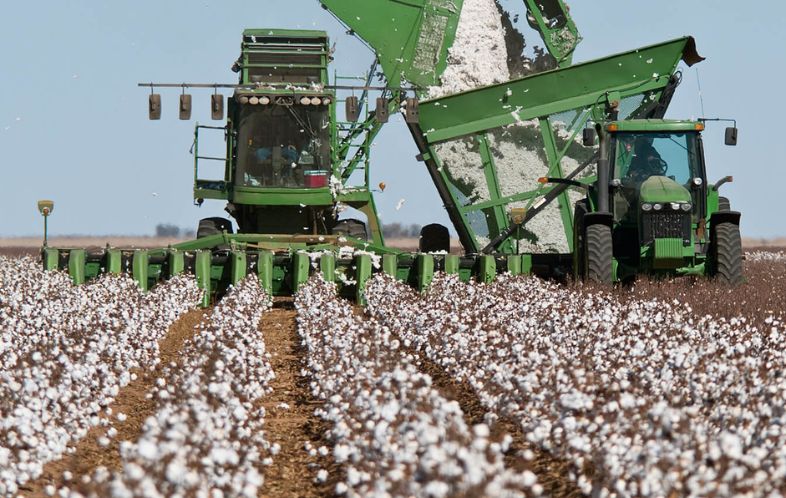
Top Cotton-Producing Countries in the World: Which Has the Highest Quality?
Not all cotton delivers the same textile results. Before becoming yarn, fabric, or garments, product quality is already influenced by the characteristics of the...
LEARN MORE
Why Does the Textile Industry Need to Be More Sustainable? Here Are 6 Reasons
Behind every fabric we use lies a long journey involving raw materials, energy, water, production processes, and distribution. Because of this, when the textile...
LEARN MORE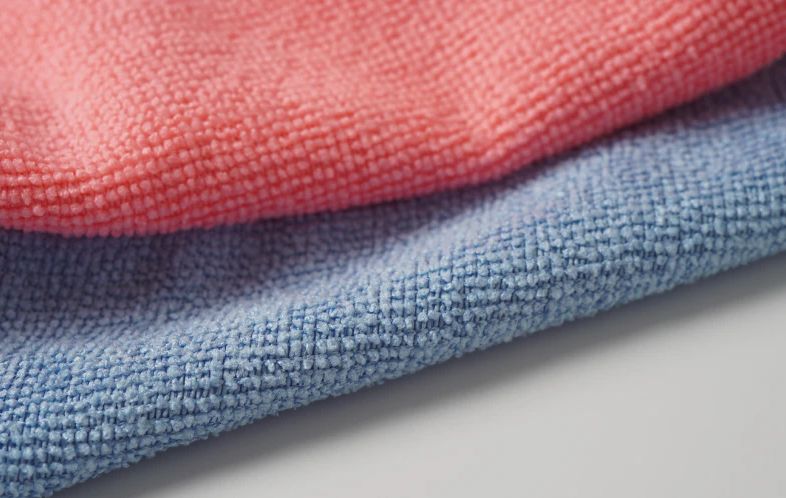
What Is Synthetic Fabric? Understand Its Characteristics and Applications Across Various Industries
Almost every day we use products made from synthetic fabrics, ranging from sportswear and bags to home interiors. However, many still believe that all synthetic...
LEARN MORE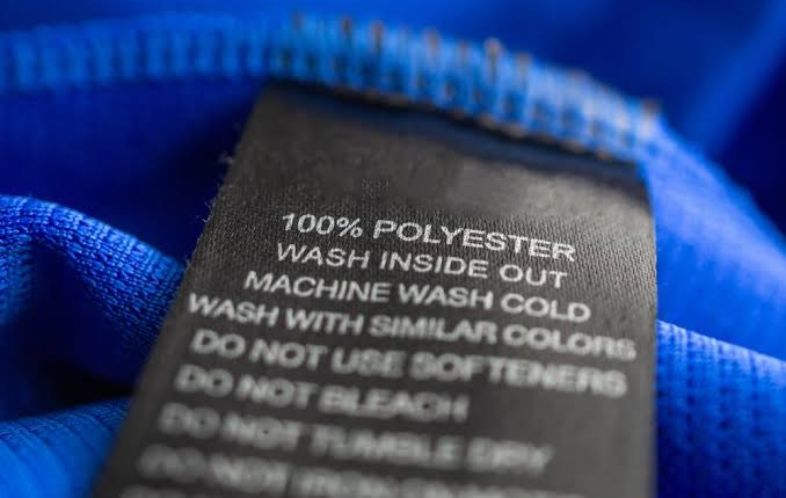
Polyester is Not Just for Fashion: From Home Interiors to the Automotive Industry
Polyester is often associated strictly with clothing and the fashion industry. However, did you know that this fiber also plays a crucial role in various everyd...
LEARN MORE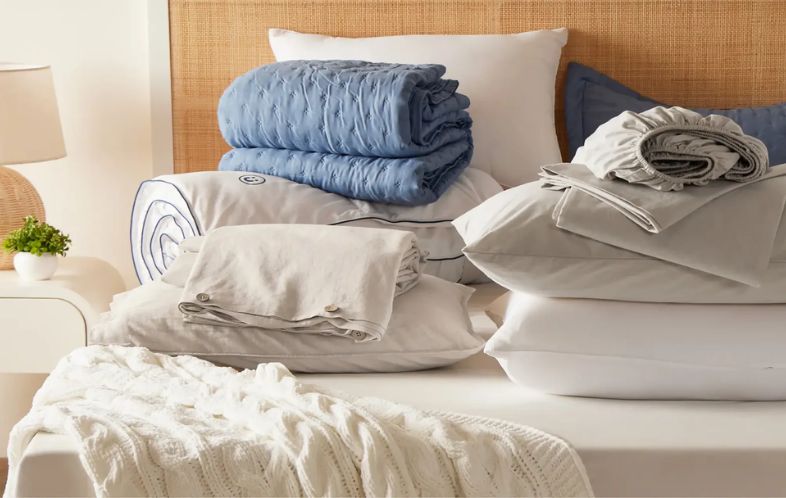
5 Recommended Fabric Materials for Comfortable and Durable Bedding
Sleep comfort isn't just determined by your mattress or pillow, but also by the fabric materials used for your bedding. The right material helps regulate body t...
LEARN MORE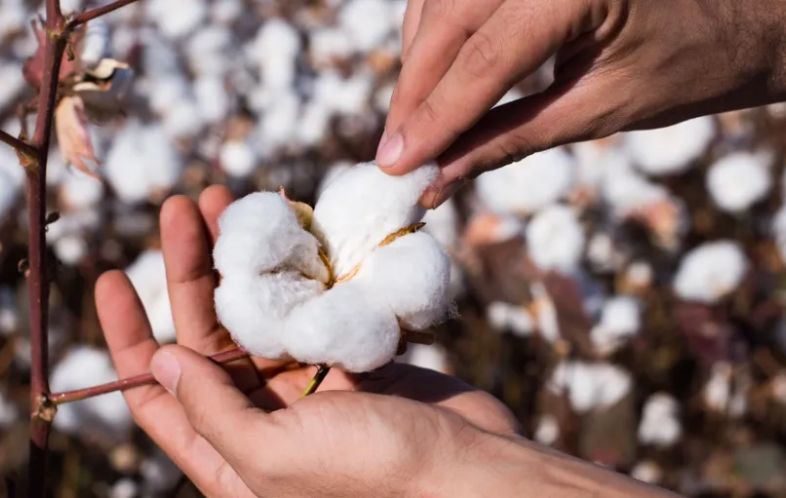
BCI vs US Cotton Trust Protocol: What is the Difference and Which is More Suitable for the Textile Industry?
In today's global textile market, product quality alone is no longer the sole consideration for buyers. An increasing number of international brands and retaile...
LEARN MORE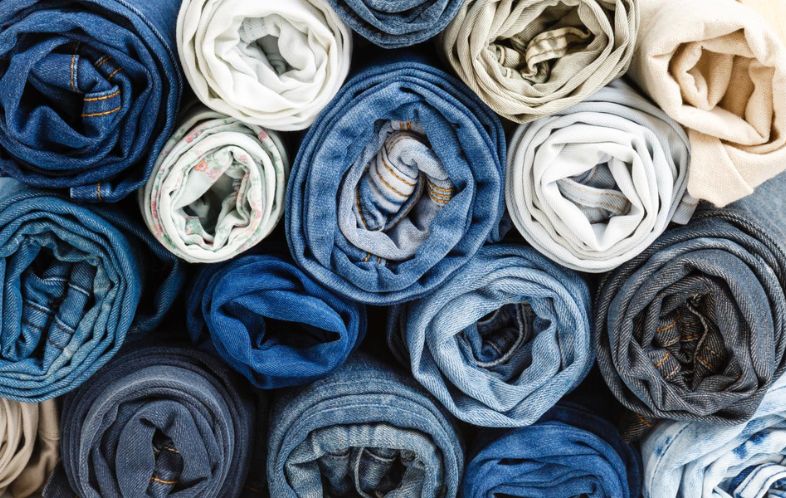
What Are Global Buyers Looking for in Textile Manufacturers Besides Product Quality?
Product quality remains a primary factor in the textile industry. However, as global market demands evolve, buyers are now looking beyond mere fabric or yarn sp...
LEARN MORE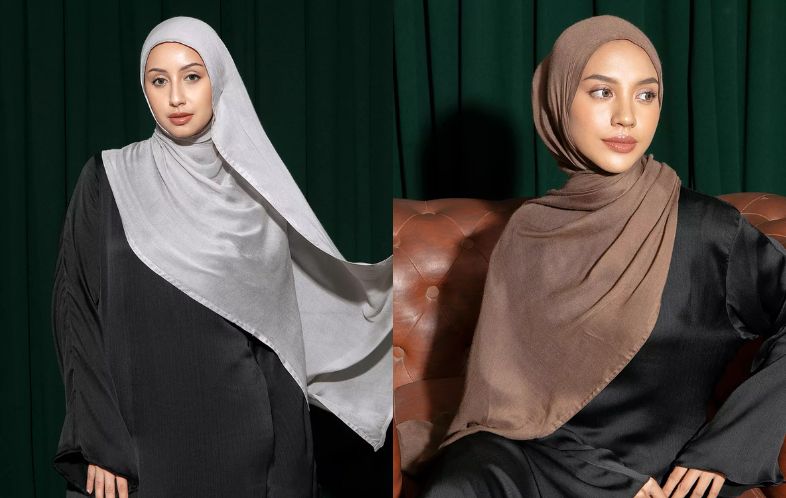
Why is Viscose Becoming the New Choice for Premium Hijabs?
Lately, more and more hijab brands are introducing collections made from viscose. From daily hijabs to premium lines, this fabric is becoming increasingly easy...
LEARN MORE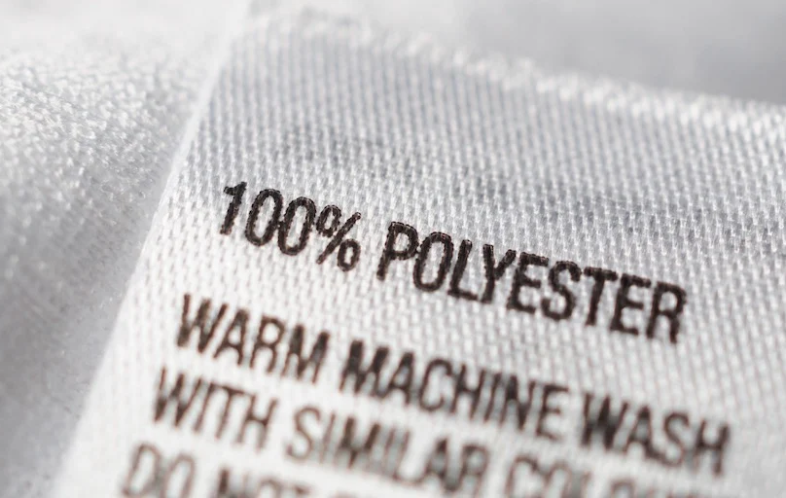
How Does Polyester Support Sustainability? Key Facts You Need to Know
Sustainability has become one of the primary focuses in the textile industry today. Amidst the rising demand for more environmentally friendly products, polyest...
LEARN MORE
Advanced Carding Machines for the Textile Industry: Faster, More Efficient, and Precise
Amid increasingly fierce competition in the textile industry, simply increasing production capacity is no longer enough. Manufacturers are also required to prod...
LEARN MORE
Types of Care Labels on Clothing and How to Choose the Right One
Every textile product is designed to be used for a long period of time. However, fabric quality is determined not only by its production process, but also by ho...
LEARN MORE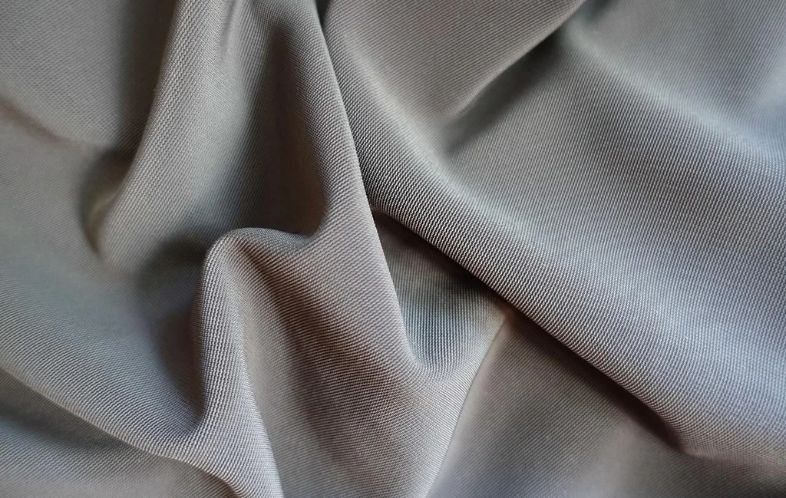
Before Choosing Fabric, Learn What Polyester Blends Are and Their Characteristics
Not all fabrics are made from a single type of fiber. Many textile products used every day—ranging from apparel and uniforms to home textiles—actually combine s...
LEARN MORE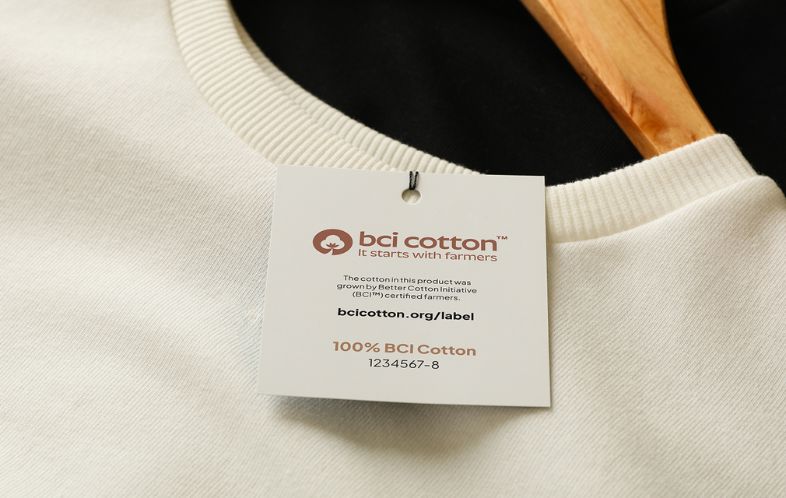
What Is BCI Certification? Why It Is Becoming Increasingly Important for the Textile Industry
Today, product quality alone is no longer enough to win the competition in the textile industry. An increasing number of global buyers and fashion brands are al...
LEARN MORE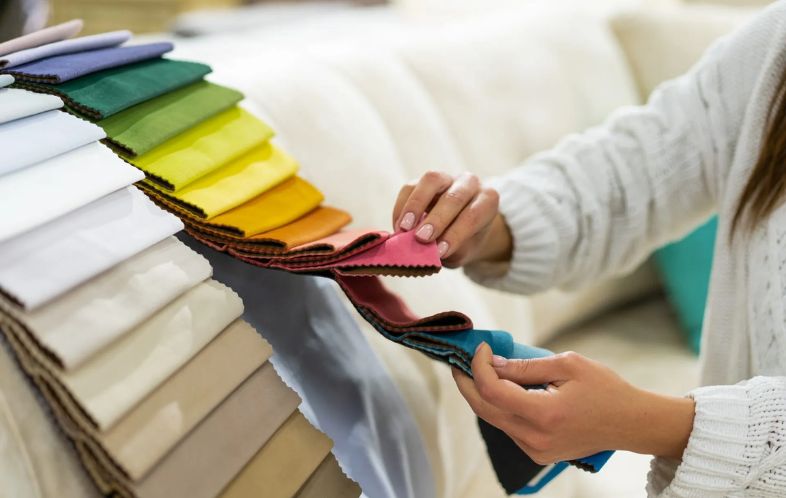
Why is Fabric Finishing Important? Learn Its Types and Functions in the Textile Industry
Why can two fabrics made from the exact same material have different textures, appearances, or performances? The answer lies not only in the type of fiber or th...
LEARN MORE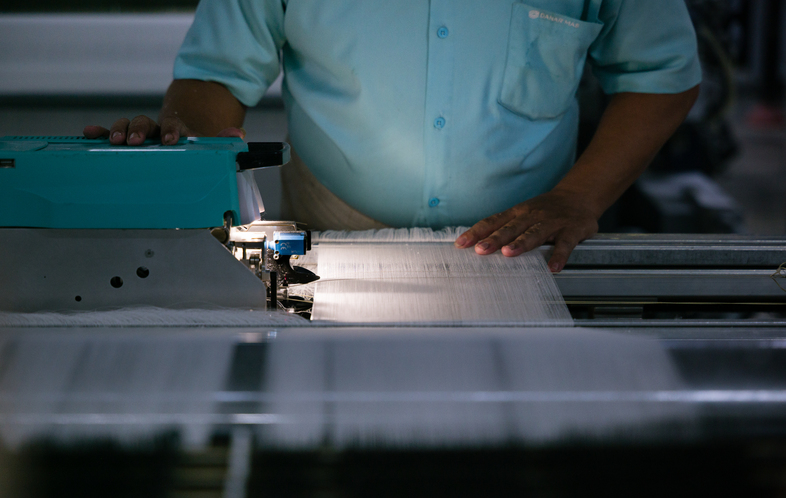
How Danar Mas Group Increases Productivity Without Adding Weaving Machines
Instead of immediately investing in new machinery, many textile mills are now beginning to optimize small processes that often go unnoticed. One such process is...
LEARN MORE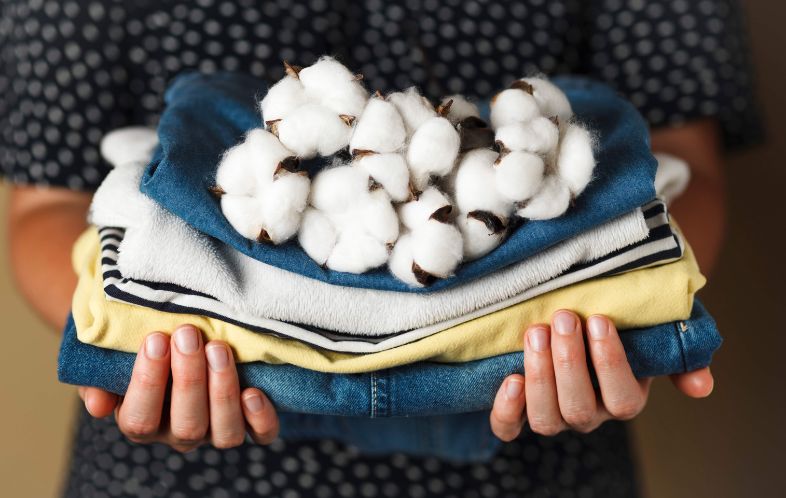
Why Organic Cotton is Becoming the Top Choice for Slow Fashion
In recent years, slow fashion has gained increasing attention as a response to the fashion industry's environmental impact. Large-scale clothing production, hig...
LEARN MORE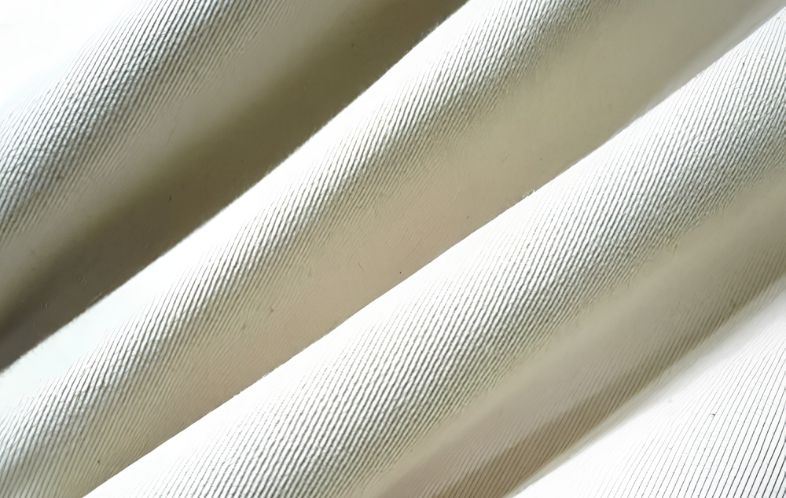
The Differences Between Grade A, B, and C in Greige Woven Fabric: Which One is Right for Your Production?
Choosing greige woven fabric isn't just about the yarn type or weave construction. In the textile industry, fabric quality is also determined through an inspect...
LEARN MORE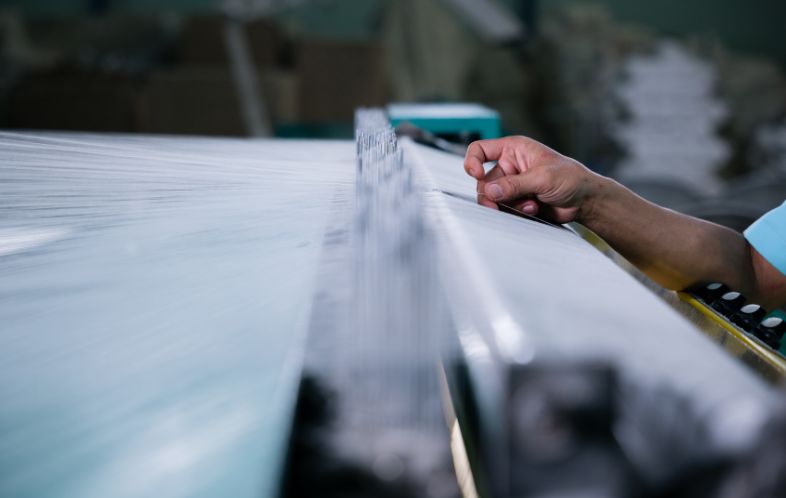
Global Cotton Yarn Market 2026: Market Value, Trends, and Opportunities for the Textile Industry
The textile industry continues to evolve in response to changing market demands, ranging from the rising preference for natural fibers to the growth of more sus...
LEARN MORE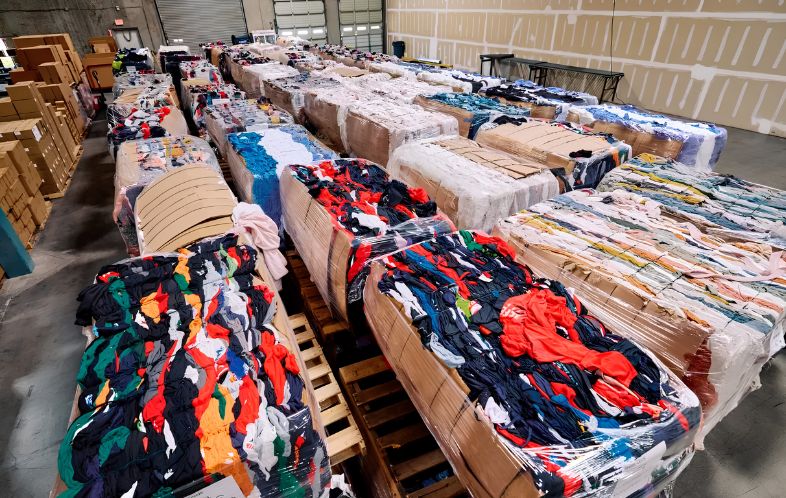
Upcycling or Recycling? The Essential Differences the Textile Industry Must Understand
Every year, the textile industry generates millions of tons of waste, posing a significant challenge to the environment. On the other hand, growing awareness of...
LEARN MORE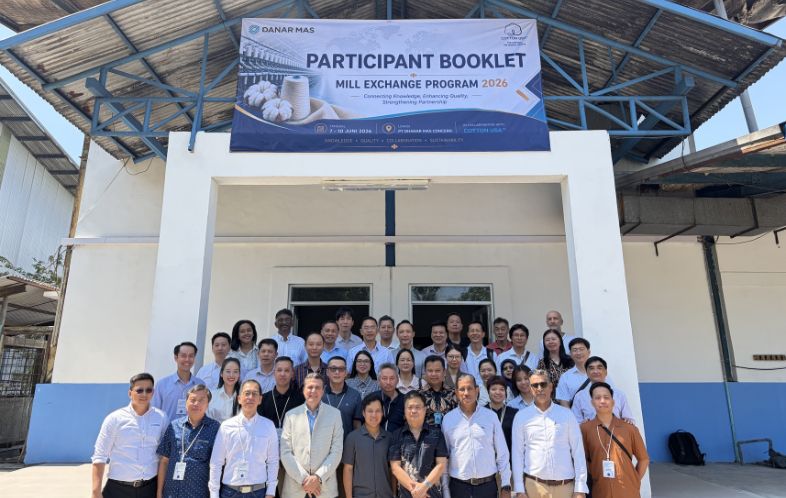
PT Dhanar Mas Concern Welcomes International Delegates for the 2026 Mill Exchange Program
On June 8, 2026, PT Dhanar Mas Concern proudly welcomed guests from various countries participating in the 2026 Mill Exchange Program. The visit was attended by...
LEARN MORE
Here is the Correct Way to Wash Organic Cotton Clothing to Keep It Looking Like New
Have you ever felt your organic cotton clothes quickly become dull, stretched out, or lose their softness after just a few washes? Even though they initially fe...
LEARN MORE
Not for Hardening the Fabric, This is the Function of Tapioca Starch in the Weaving Process
In the weaving process, it turns out there is one simple ingredient that plays a vital role in determining the quality of greige fabric: tapioca starch (starch)...
LEARN MORE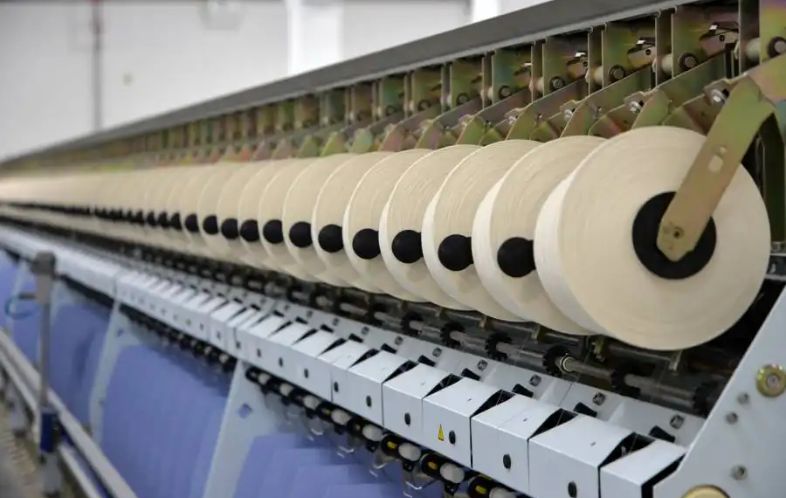
Textile Industry 2026: The Surge in Polyester Demand and Major Opportunities for Mills
Global demand for textile materials continues to move at a rapid pace, and one material remains in the most dominant position: polyester. From everyday apparel...
LEARN MORE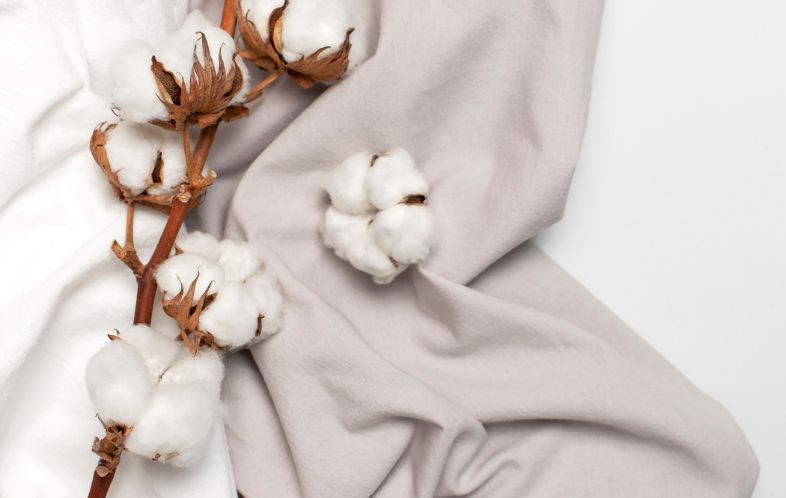
Is 100% Cotton Fabric Good or Not? Check the Facts Before Buying
When choosing clothing or textile products, you might often find a "100% cotton" label on the packaging or product description. This label is frequently conside...
LEARN MORE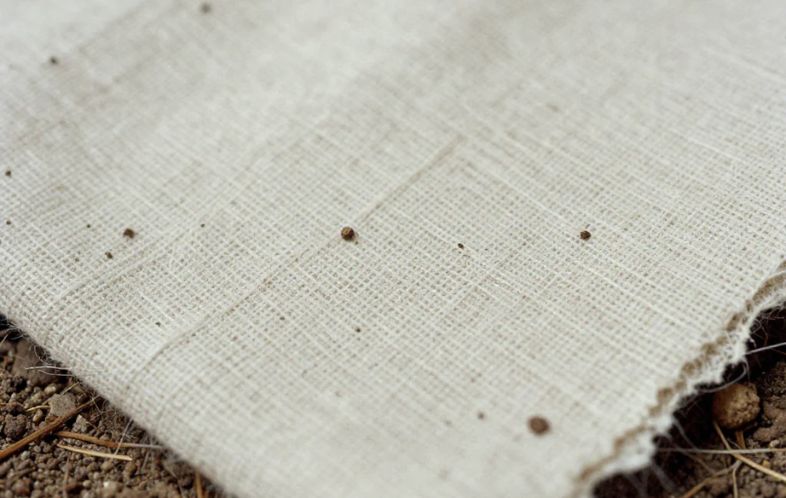
Biodegradable Fabric: A Future Solution for Reducing Textile Waste?
Every year, millions of tons of textile waste are generated by the global fashion and textile industries. On the other hand, awareness of the importance of sust...
LEARN MORE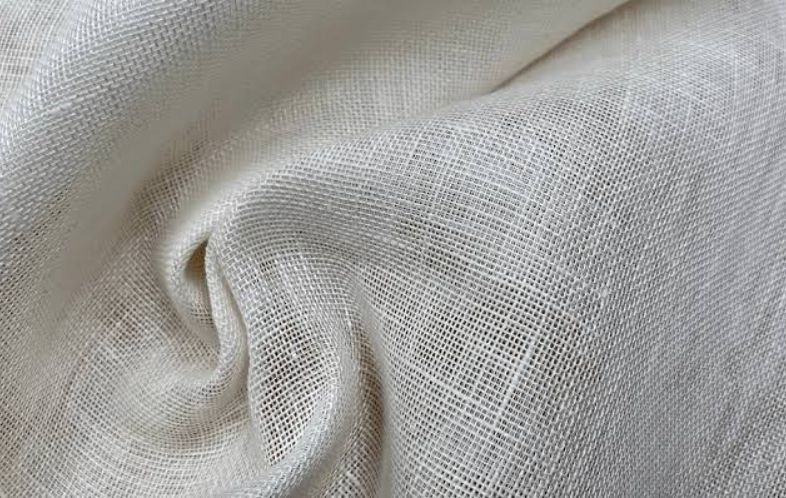
5 Reasons Why Linen Has Become a Favorite Choice for Sustainable Fashion
Amidst growing awareness of the fashion industry's environmental impact, many consumers and businesses are turning to more environmentally responsible materials...
LEARN MORE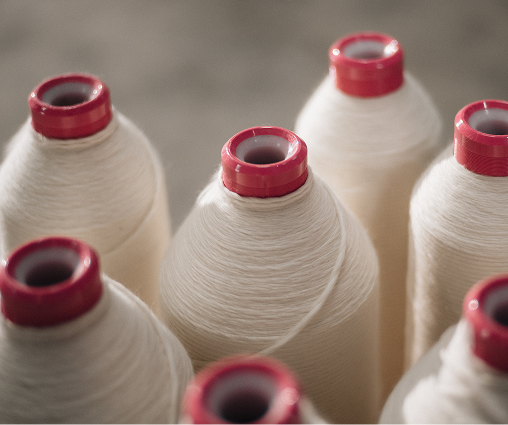
What Is Warping? A Crucial Stage in Determining Quality
Understanding warping and its role in determining woven fabric quality.
LEARN MORE
The Future of the Spinning Industry: Factory Tour
Join a modern spinning factory tour and see the yarn production process end to end.
LEARN MORE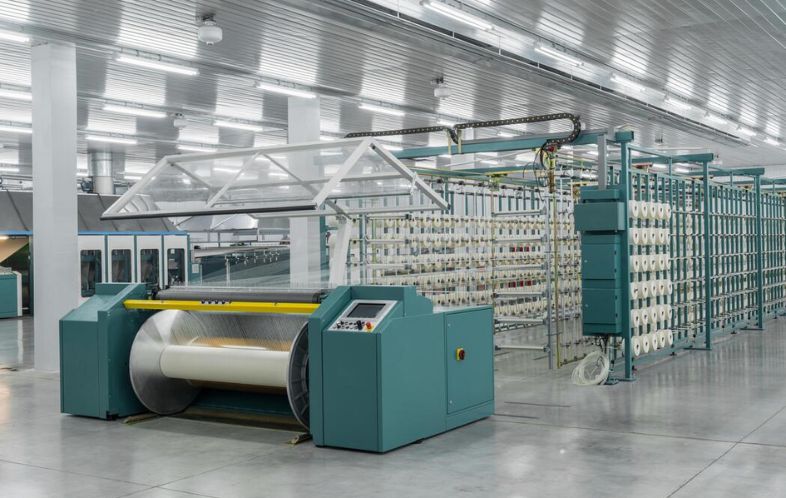
What is the Warping Process? A Crucial Stage that Determines Woven Fabric Quality
The warping process is a preparation stage for warp yarn where a large number of yarns are arranged parallelly and wound onto a warp beam. Its main purpose is t...
LEARN MORE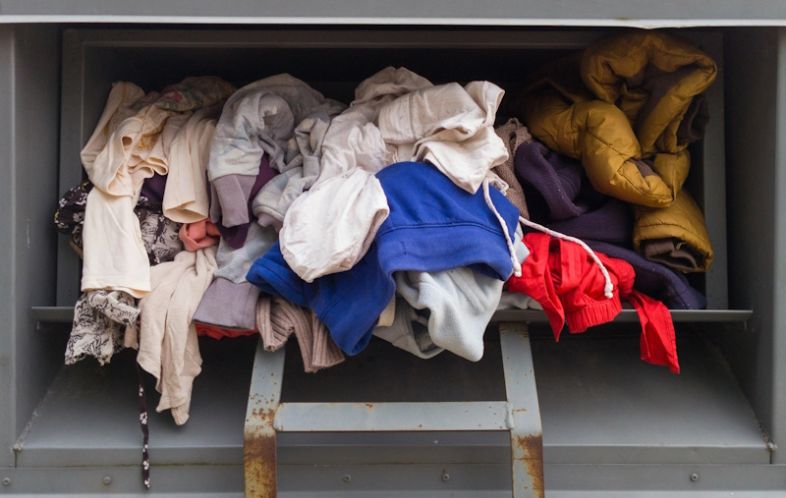
5 Countries with the Best Textile Waste Management in the World, What Is the Secret?
The textile industry continues to thrive along with the increasing demands of the global market. However, behind this growth, textile waste remains a major chal...
LEARN MORE
Solar Panel Installation
A concrete step toward clean energy: installing solar panels across the factory to cut our carbon footprint.
LEARN MORE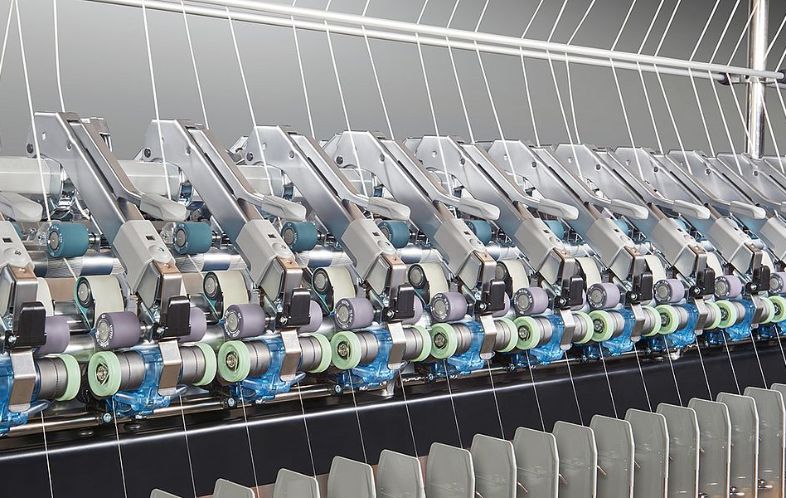
Compact vs Non-Compact Yarn: What's the Difference and Which is Better for Fabric?
In the textile industry, fabric quality is determined not only by the type of fiber used, but also by the yarn formation process. One comparison that often draw...
LEARN MORE
Why Is Textile Testing Important? Its Impact on Product Quality
Have you ever wondered why two fabrics that look similar can perform very differently in actual use? Some fabrics fade quickly, tear easily, or shrink after was...
LEARN MORE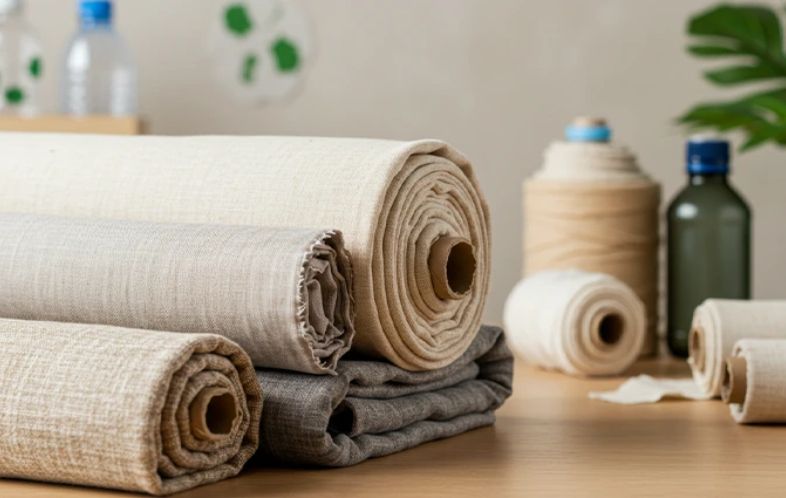
6 Examples of Recycled Textile Products Widely Used in Industries
Every year, the textile industry generates millions of tons of waste from both production processes and discarded products. However, advancements in textile rec...
LEARN MORE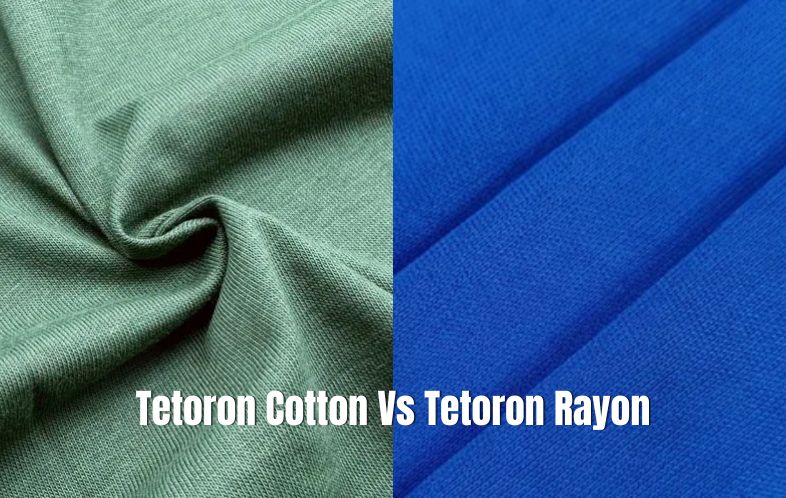
TC vs TR Fabric: Differences Between Tetoron Cotton and Tetoron Rayon Before Choosing
Choosing the right textile material is often a challenge, especially when faced with various fabric options that share similar characteristics. One of the most...
LEARN MORE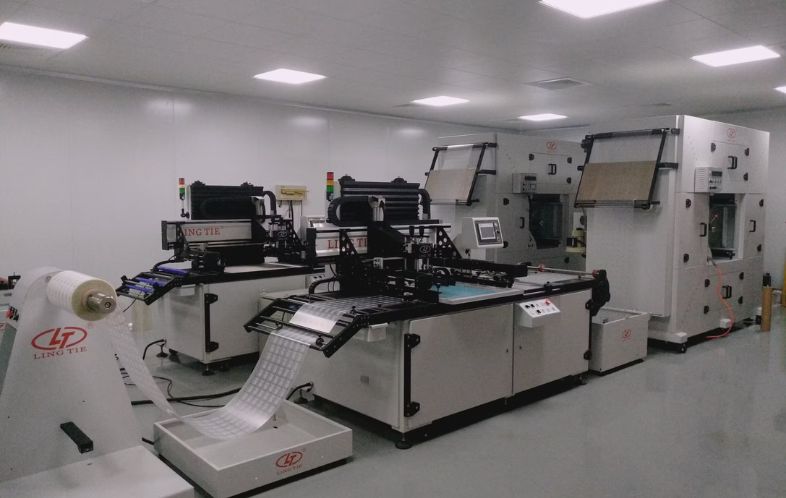
Don't Make the Wrong Choice! Get to Know 4 Types of Screen Printing Suitable for Woven Fabrics
Choosing the right type of screen printing is just as important as choosing the fabric itself. This is especially true for woven fabrics, which have different c...
LEARN MORE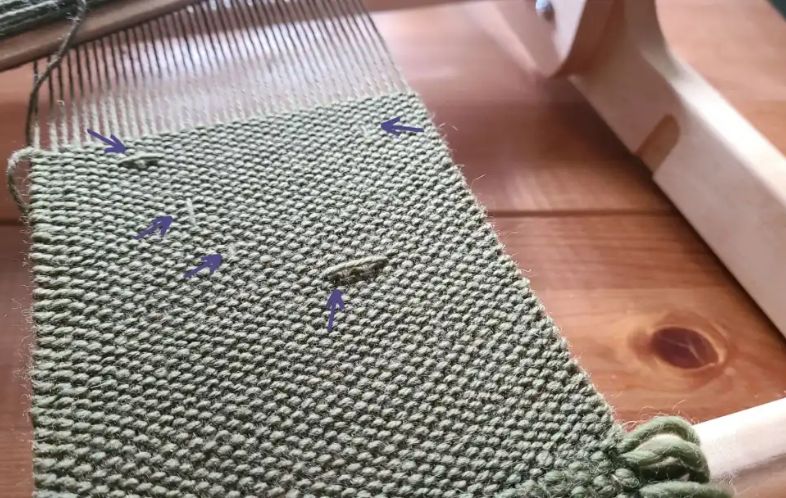
Warp vs. Weft: What is the Difference and Why Do They Matter in Woven Fabrics?
When looking at a piece of fabric, many people only notice the color, pattern, or texture. In fact, the quality and character of a fabric are highly determined...
LEARN MORE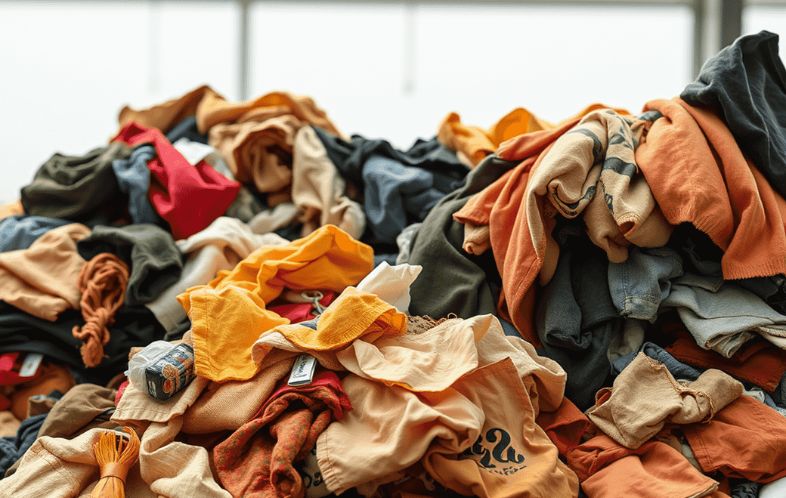
From Donation to Recycling: 7 Ways to Reduce Textile Waste
The textile industry plays an important role in our daily lives, from clothing to various household needs. However, the rising consumption of textile products a...
LEARN MORE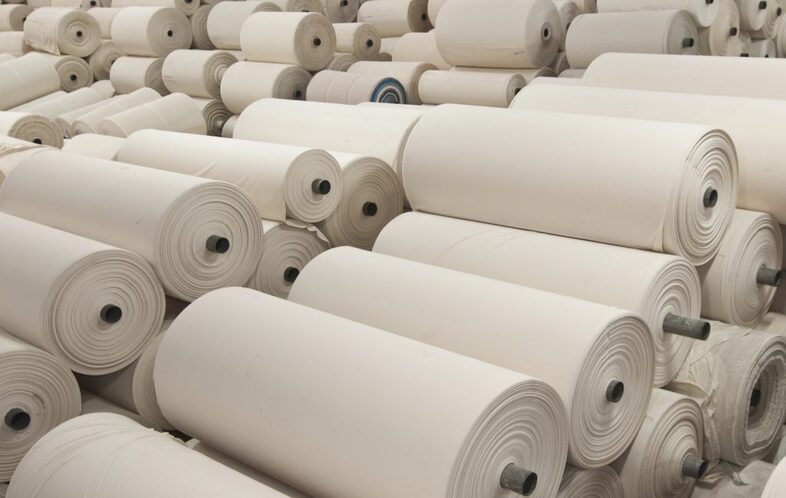
Why Does Greige Woven Fabric Feel Stiff? Here’s the Explanation
When looking at woven fabric in its greige state, some people may assume that the fabric should feel soft because it has not yet undergone any finishing process...
LEARN MORE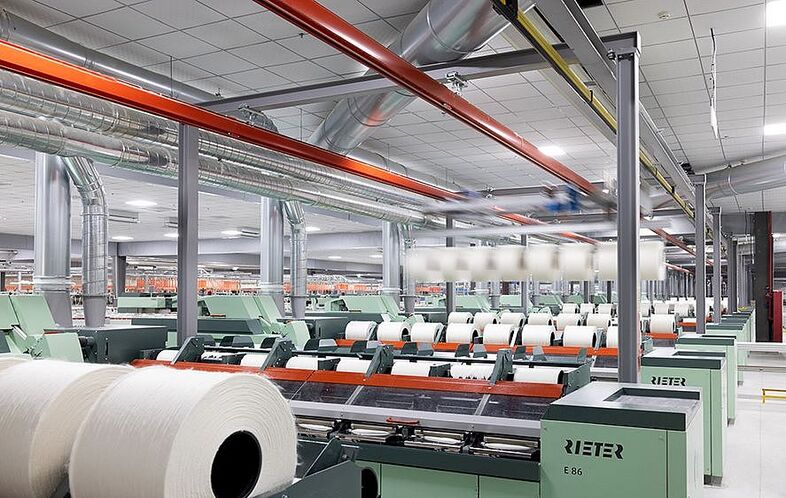
Why Is the Combing Process Important in Producing High-Quality Yarn?
In the textile industry, yarn quality is not only determined by the cotton raw material, but also by the processing stages it goes through. One of the most impo...
LEARN MORE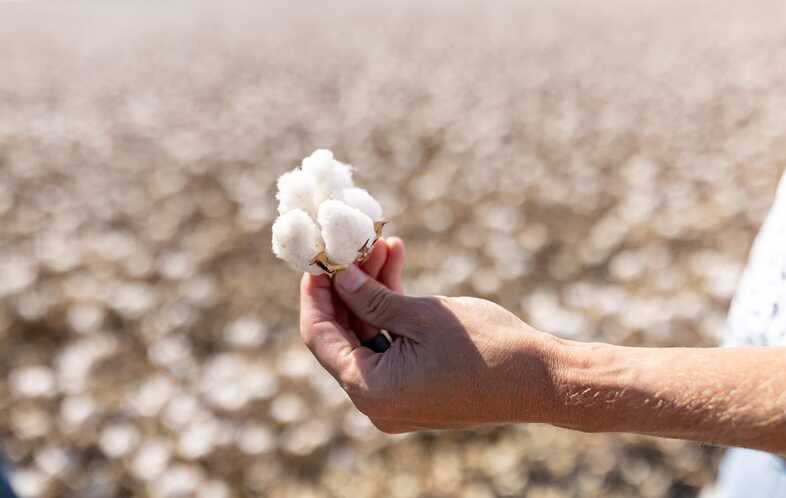
Understanding Better Cotton (BCI) Certification, the Sustainability Standard Sought by Global Brands
As sustainability continues to become a major focus in the textile industry, global buyers are no longer looking only at product quality and pricing. Supply cha...
LEARN MORE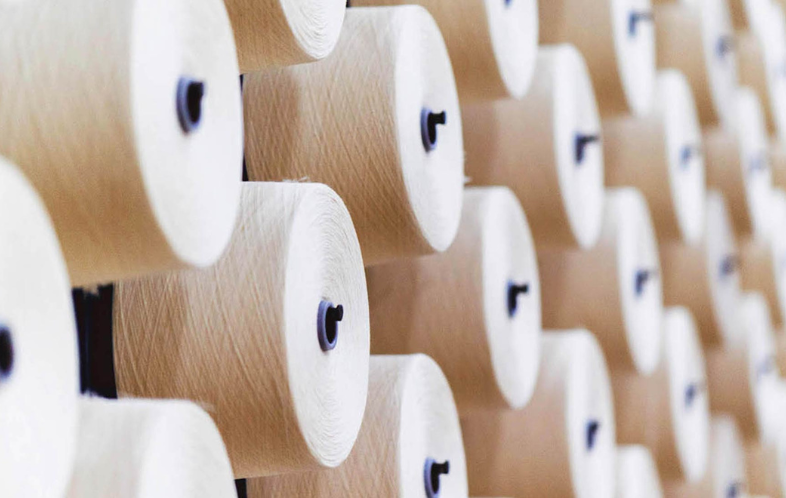
What Are the Advantages of Open-End Yarn? Here is Why the Textile Industry Uses It Widely
In the modern textile industry, production efficiency and yarn quality are two critical factors that are always considered. One type of yarn that is increasingl...
LEARN MORE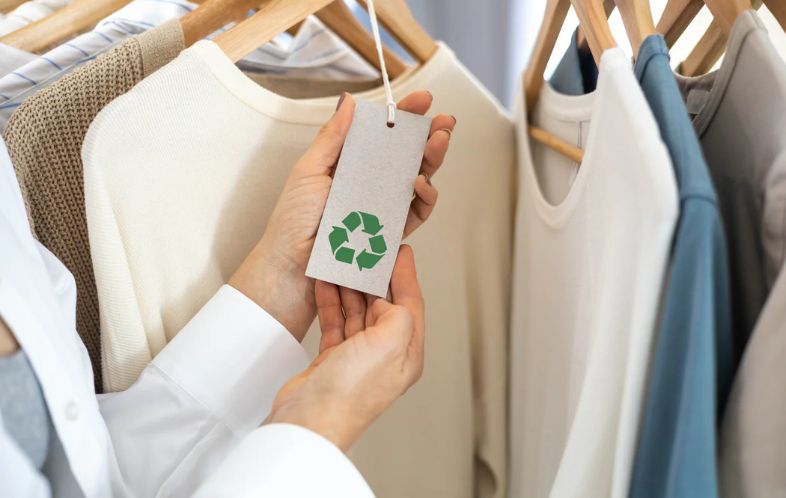
From Fast Fashion to Sustainable Fashion: What’s the Difference and Why Does It Matter?
The fashion industry continues to evolve, not only in terms of trends but also in how products are made and consumed. Today, more and more brands, manufacturers...
LEARN MORE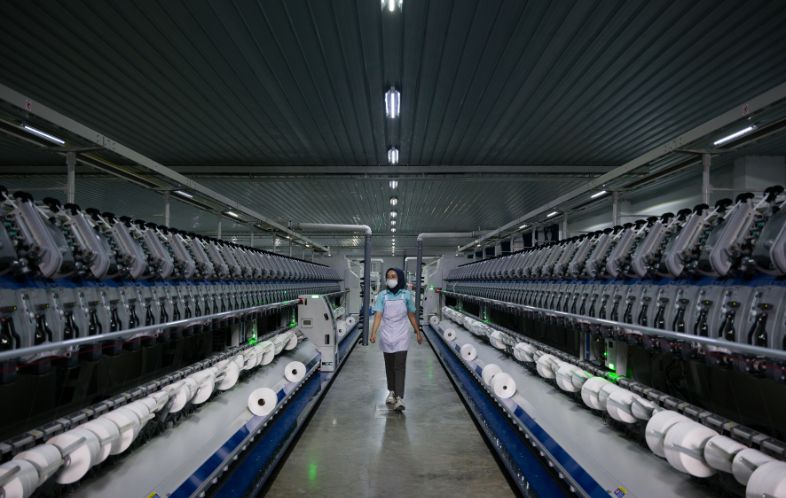
Comparing MVS, Ring Spinning, and Open-End for the Modern Textile Industry
In the ever-evolving textile industry, choosing a spinning system is no longer just about producing yarn, but also about determining production efficiency, fabr...
LEARN MORE
More Than Just a Trend: The Real Impact of Fast Fashion on the Future
Fashion trends are moving faster than ever. New collections drop in a matter of weeks, prices are becoming more affordable, and consumers can now follow the lat...
LEARN MORE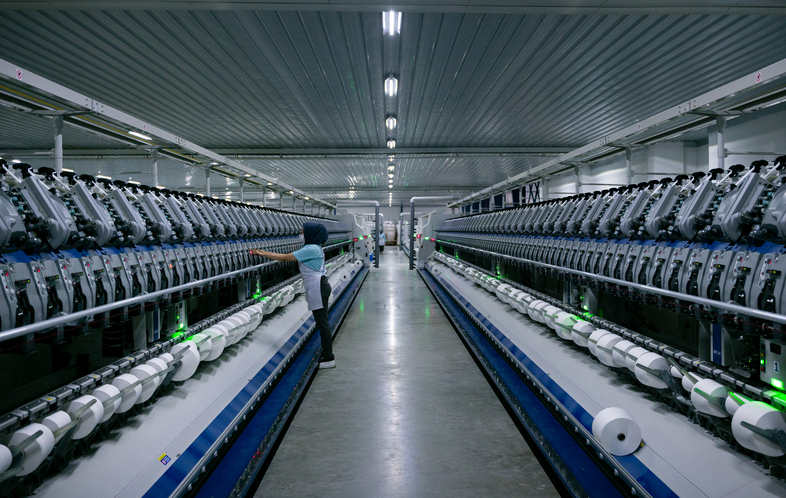
Why Is MVS Spinning Widely Used? Understanding Its Process and Advantages
Technological advancements in the textile industry are not only reflected in finished products, but also in yarn manufacturing processes. One innovation that ha...
LEARN MORE
More Than Just a Certification, Here Are the Benefits of the U.S. Cotton Trust Protocol for Textile Mills
The textile industry today is no longer judged solely by fabric quality or production capacity. Global buyers are increasingly paying attention to how raw mater...
LEARN MORE
More Than a Certification: The Benefits of the U.S. Cotton Trust Protocol for Textile Mills
A sustainability program for U.S.-grown cotton that ensures production meets measurable environmental responsibility standards.
LEARN MORE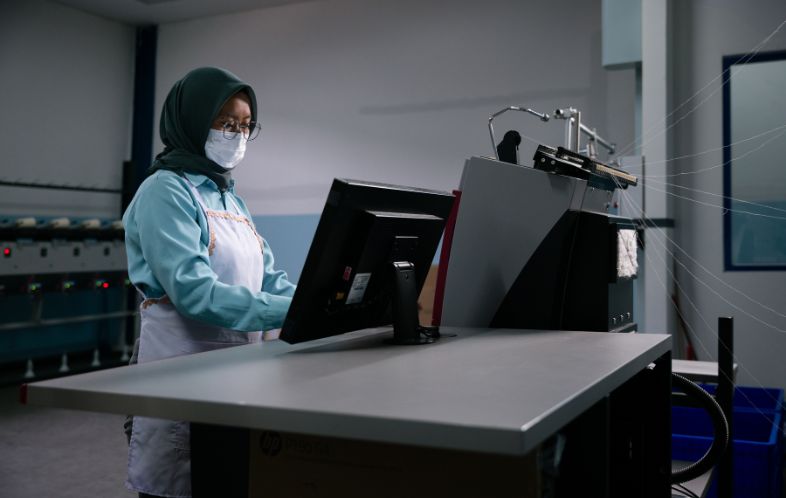
The Secrets of Textile Quality Control: 4 Lab Machines for Fiber and Yarn Testing
The quality of textile products is determined not only by the production process but also by material consistency right from the initial stage. In the textile i...
LEARN MORE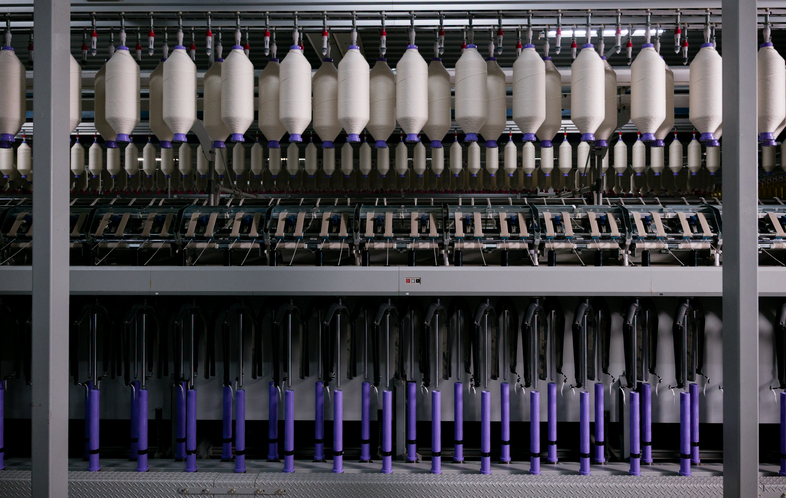
Understanding Cotton Yarn Spinning Process: Complete Guide from Blowing to Winding
Not everyone realizes that cotton yarn used to produce fabrics, garments, and premium textile products goes through a long and detailed manufacturing process. B...
LEARN MORE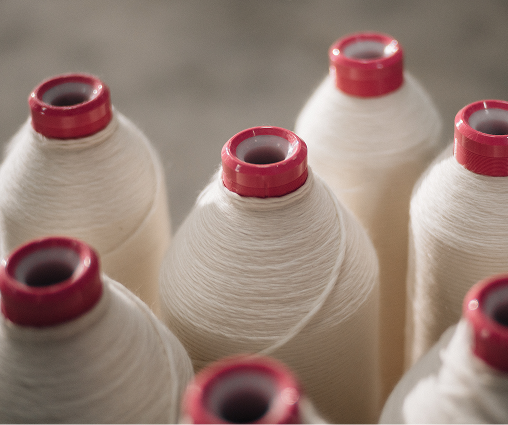
Polyester Melange 71
Our latest polyester melange yarn variant with consistent color character and strength.
LEARN MORE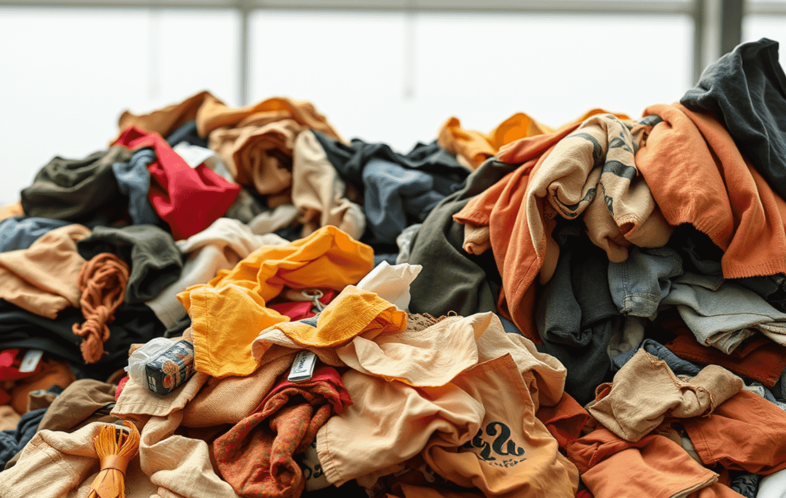
5 Textile Waste Recycling Innovations, from Used Clothing to New Accessories
The fashion and textile industry continues to grow rapidly, but at the same time, it also generates a significant amount of waste. From used clothing and produc...
LEARN MORE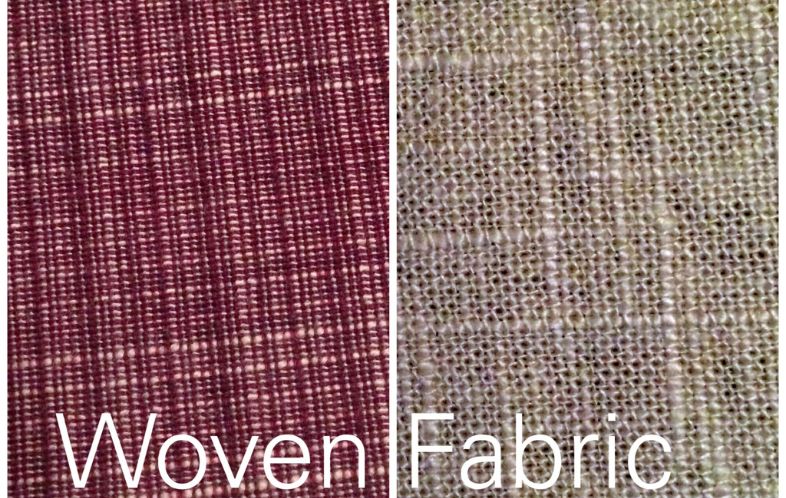
5 Differences Between Woven and Knitting: From Structure to Usage
Choosing the type of fabric is not just about color or texture, but also about understanding how the fabric is made. In the fashion and textile industry, the te...
LEARN MORE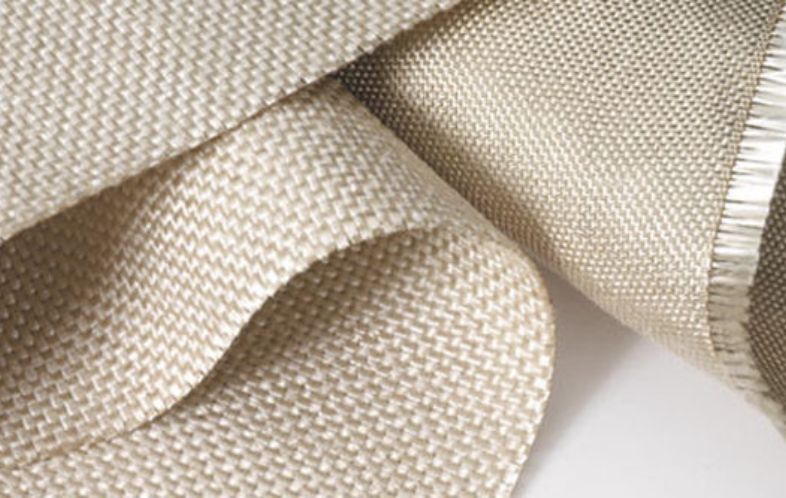
7 Ways to Choose Quality Fabric for Your Fashion Business
Starting a fashion business requires more than just relying on attractive designs or following the latest trends. Many brands face challenges after production i...
LEARN MORE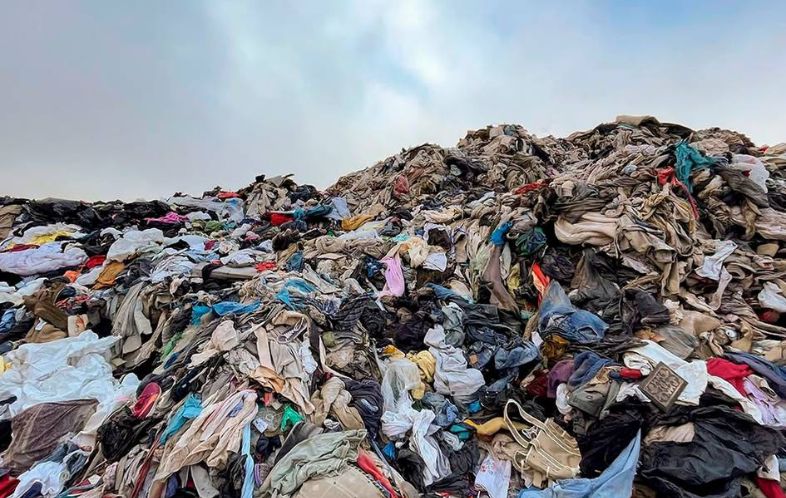
Why Has the Fashion Industry Become the Largest Contributor to Textile Waste?
The fashion industry continues to grow rapidly, keeping pace with trends, seasons, and dynamic market demands. However, behind this growth lies a major challeng...
LEARN MORE
Why Is Cotton Better at Preventing Body Odor Compared to Other Fabrics?
Have you ever felt confident in the morning, only to suddenly worry about body odor by midday even after applying deodorant? The issue may not be your body, but...
LEARN MORE
Thick vs. Thin: What Truly Determines Fabric Quality?
Have you ever touched a fabric in a store and immediately thought, "Wow, this is thick, it must be good"? Almost everyone does it, including those in the textil...
LEARN MORE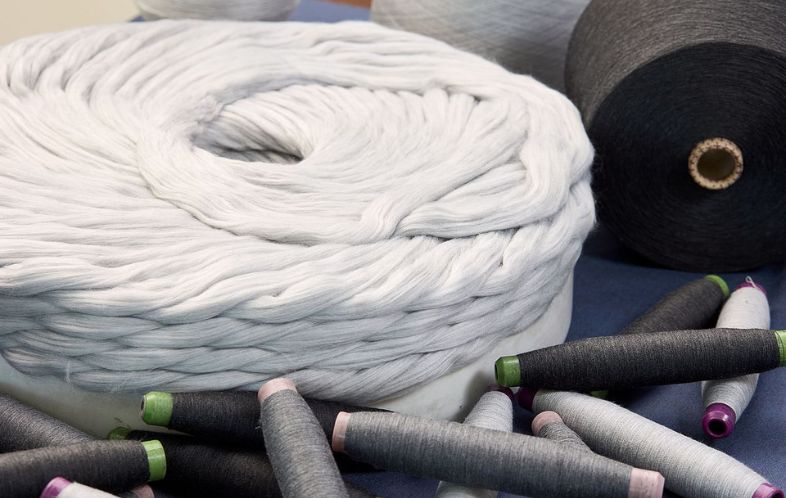
What is Misty Yarn: Understanding Types, Advantages, and How to Choose the Right One for Your Business
Have you ever seen t-shirts or hoodies with a unique speckled gray look—not plain, yet not patterned either? That is the result of misty (melange) yarn. Behind...
LEARN MORE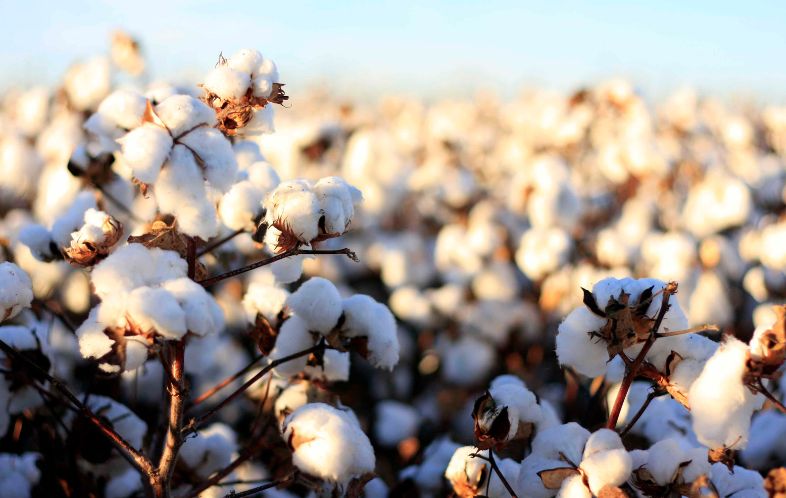
The Secret Behind Quality Fabric: The Role of Cotton Quality in Textile Production
Behind a fabric that feels smooth, strong, and comfortable to wear, there is one important factor that is often unseen: cotton quality. Many textile industry pl...
LEARN MORE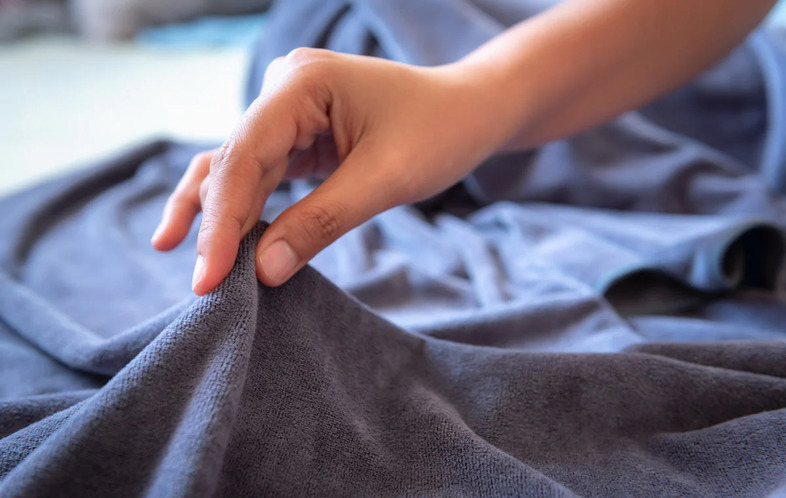
What GSM is Best for T-Shirts? A Complete Guide for Local Brands
Have you ever noticed how two T-shirts with similar designs can feel completely different when worn? One feels light and breathable, while the other feels thick...
LEARN MORE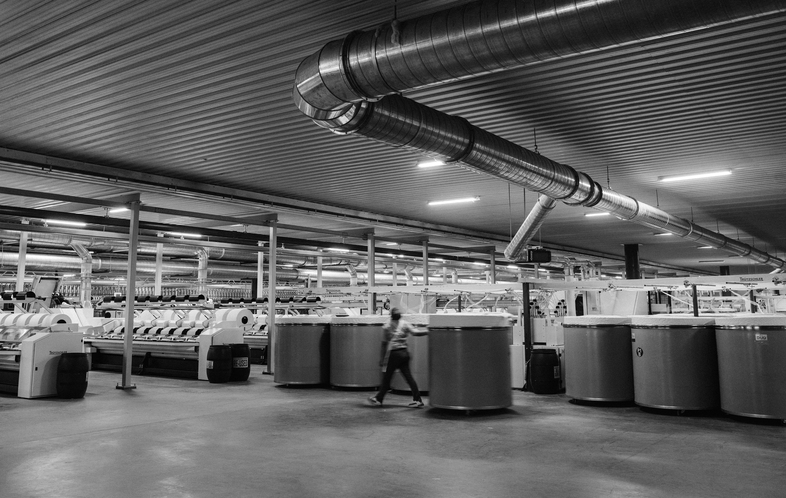
6 Strong Reasons Why Danar Mas Concern Is the Best Choice for Your Textile Production
In today’s increasingly competitive industry, choosing a textile production partner is not just about price—it’s about quality, consistency, and long-term relia...
LEARN MORE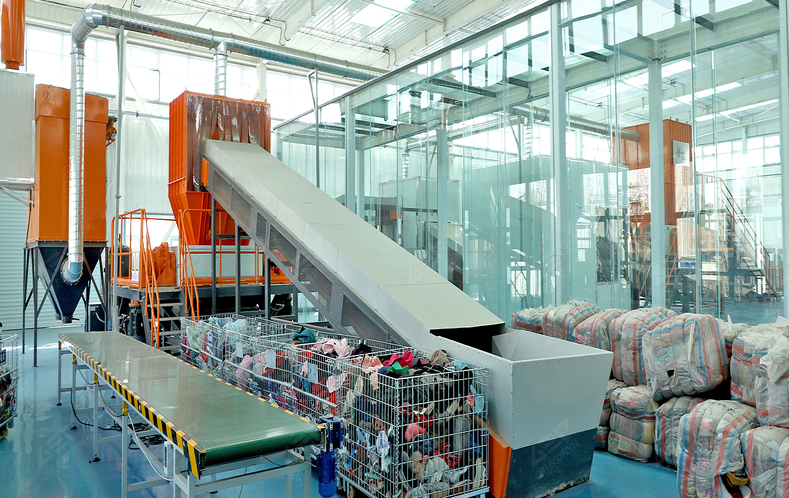
5 Recycling Innovations in the Textile Industry Every Industry Player Should Know
The global fashion industry generates massive amounts of waste every year, yet less than 1% of textile materials are truly recycled into new products. Amid grow...
LEARN MORE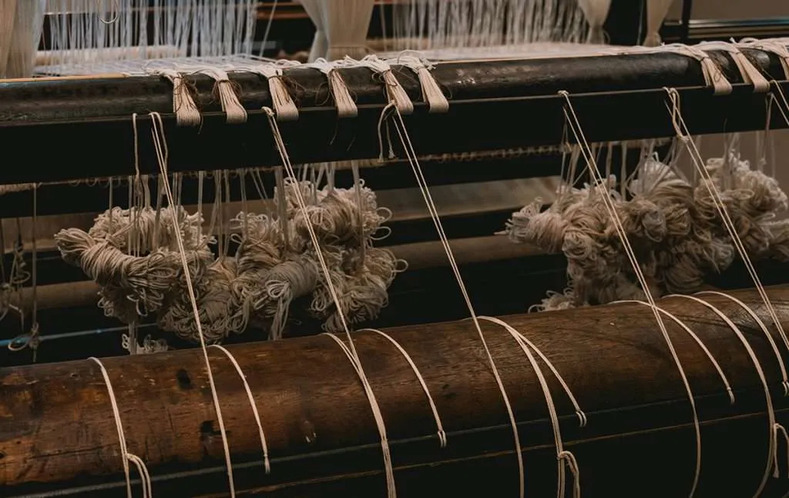
Shuttle Loom: Definition, Working Mechanism, and Its Role in the Modern Textile Industry
Amid the rapid advancement of technology in the textile industry, many modern machines have emerged with high speed and efficiency. Interestingly, not all indus...
LEARN MORE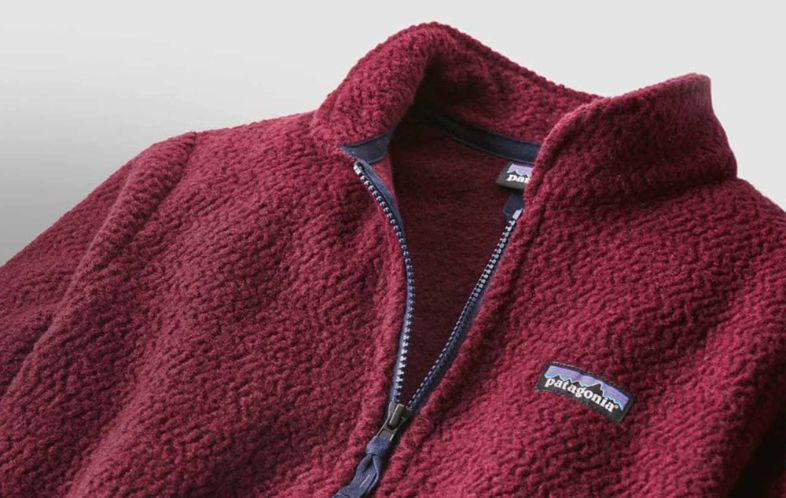
Mengenal Bahan Cotton Fleece: Karakteristik, Jenis, dan Cara Merawatnya
Have you ever held a hoodie or sweatshirt and immediately felt a warm, soft, yet lightweight sensation in your hands? Chances are, that product uses cotton flee...
LEARN MORE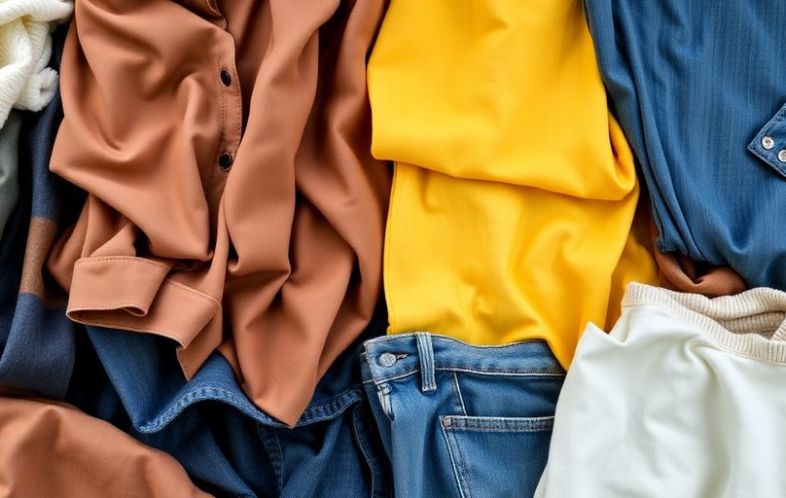
What Is the Garment Industry? Check Out Garment Facts and the Differences Between Textiles & Convection
How does a raw piece of fabric transform into the crisp shirt you are wearing to work today? Behind the comfort of our clothing lies a vast, tireless ecosystem....
LEARN MORE
Why Local Brands Are Gaining Popularity and Competing with Foreign Brands
Lately, if you stroll through shopping malls or browse your social media timeline, there is one phenomenon that is hard to ignore: products labeled "Made in Ind...
LEARN MORE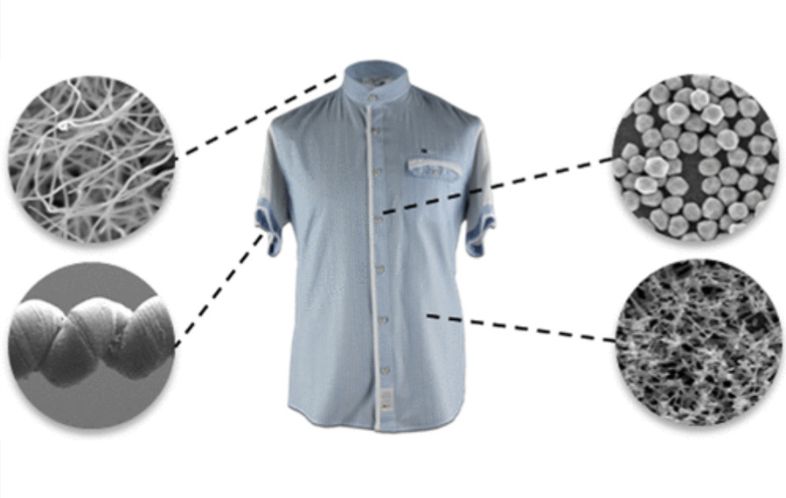
Is Your Brand Still Using Ordinary Fabrics? Here Are 6 Textile Innovations Already Used by Competitors
Amidst the tightening competition in the fashion and manufacturing industries, one thing is becoming clear: textile innovation is no longer an option, but a nec...
LEARN MORE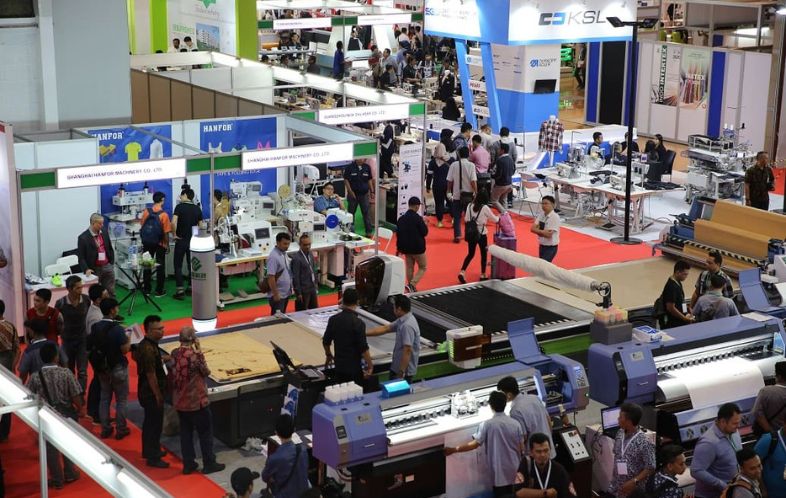
Business Matching at Textile Exhibitions: Strategies to Secure Quality Partners
Have you ever participated in a textile exhibition, only to return with a stack of business cards and no clear follow-up? This is where business matching at tex...
LEARN MORE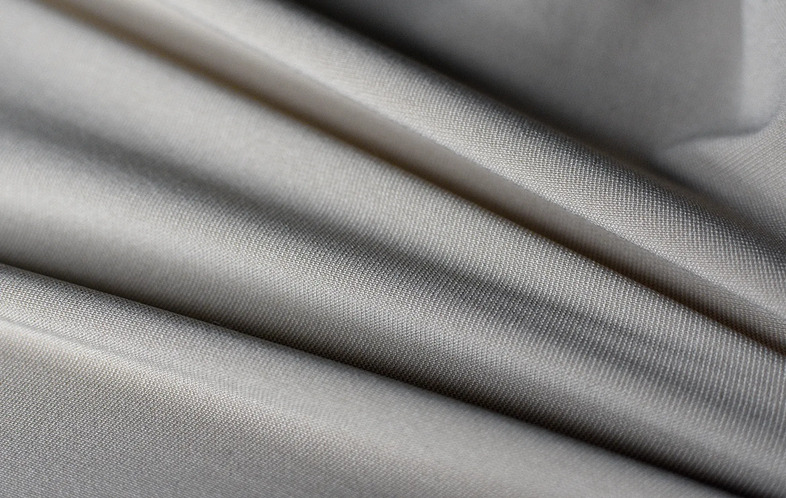
Advantages of Polyester: Why This Material Still Stays in Use Despite Frequent Complaints
Polyester is often considered “uncomfortable”—hot, non-absorbent, and synthetic-feeling. Yet on the other hand, the advantages of polyester make it one of the m...
LEARN MORE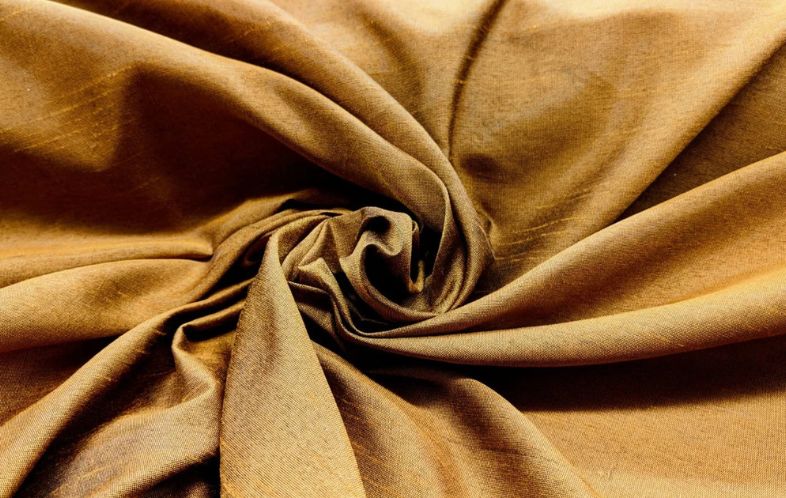
Cotton Combed Vs Silky Cotton: Many Brands Get It Wrong But Actually Very Different
Choosing the right fabric is about more than just "comfort," especially for those in the textile and fashion industries. Many buyers still view Cotton Combed an...
LEARN MORE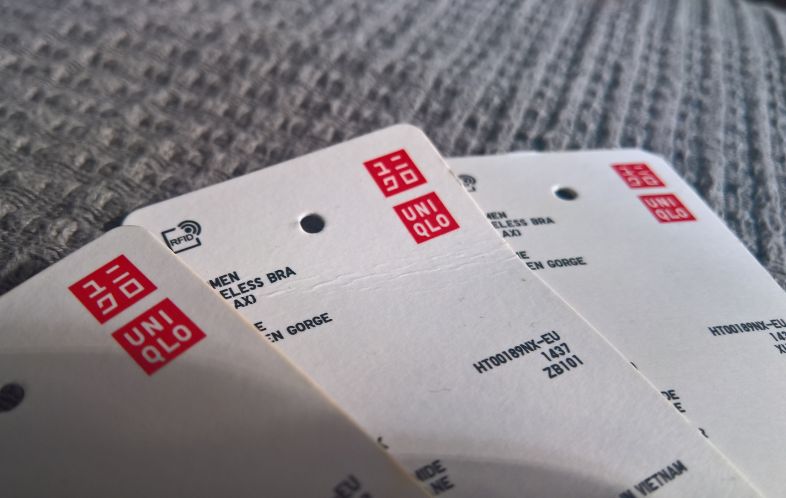
Hang Tag in Textile Products: A Real Role in Enhancing Trust and Brand Value
Have you ever seen a textile product with great quality, but it felt "unconvincing" at first glance? In many cases, the problem isn't the product itself, but ra...
LEARN MORE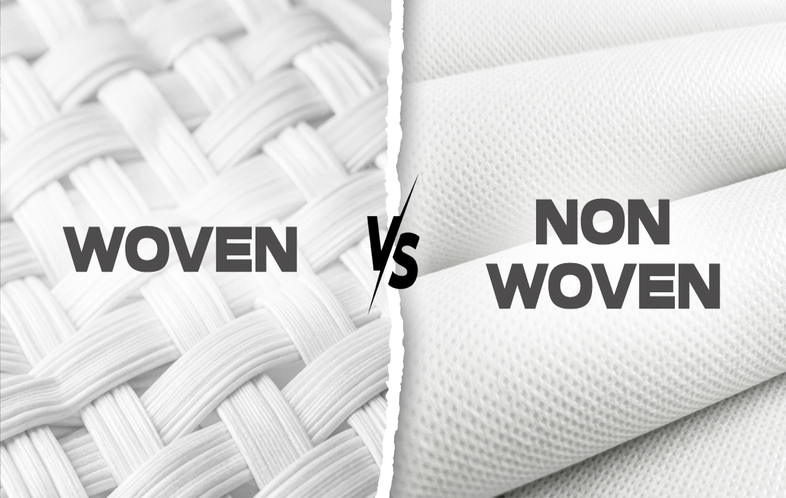
Woven vs Non Woven: Differences, Examples, and How to Choose the Right One for Your Business
In the textile industry, material selection is not just about price or appearance. Many businesses still misunderstand woven and non woven products, even though...
LEARN MORE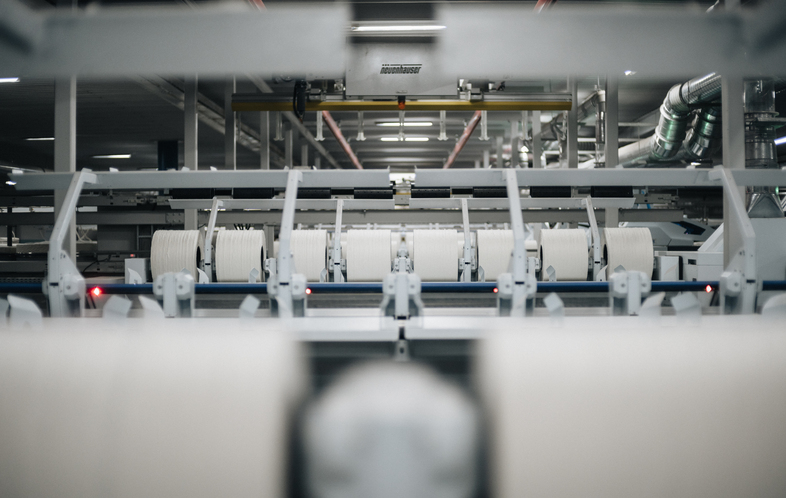
The Secret to Winning International Buyers: The Importance of Textile Product Certification
Your product is high quality, competitively priced, and even ready for large-scale production. Yet, when you enter negotiations with international buyers, one q...
LEARN MORE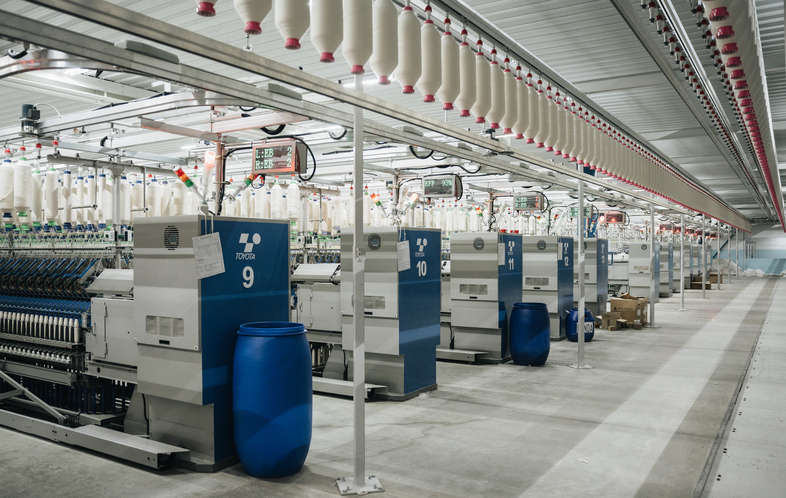
Confused About Textile Certification? Here’s the Complete Process You Need to Know!
Have you ever felt that your high-quality textile products still struggle to reach a wider market, especially for export? One common reason that is often overlo...
LEARN MORE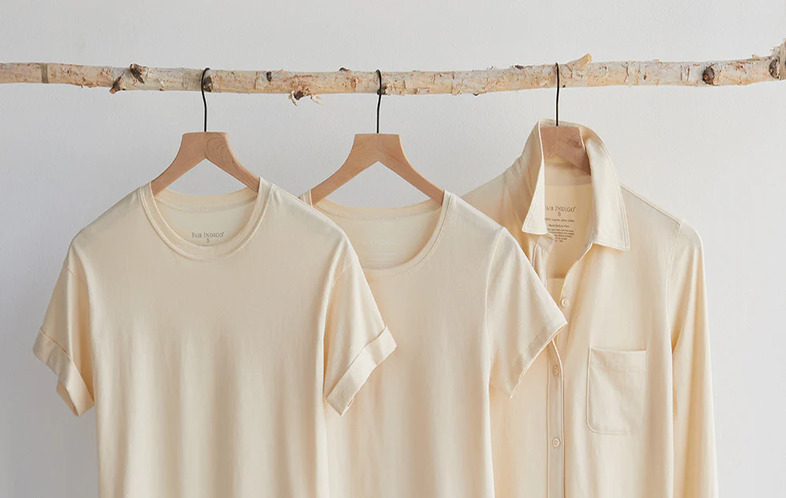
Many People Don’t Know! Here’s Why Cotton Remains the Go-To for Everyday Clothing
Have you ever worn something that just feels “right”—not too hot, not stuffy, and comfortable all day long? Without realizing it, chances are that fabric is cot...
LEARN MORE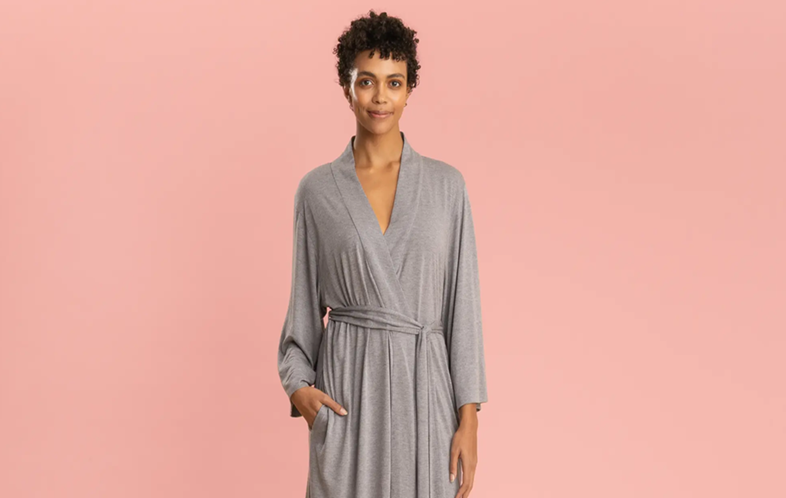
Not Just T-Shirts! Here Are 7 Products Made from Cotton Yarn
Cotton yarn is one of the most essential materials in the textile industry. Made from natural cotton fibers, it is known for being soft, skin-friendly, and high...
LEARN MORE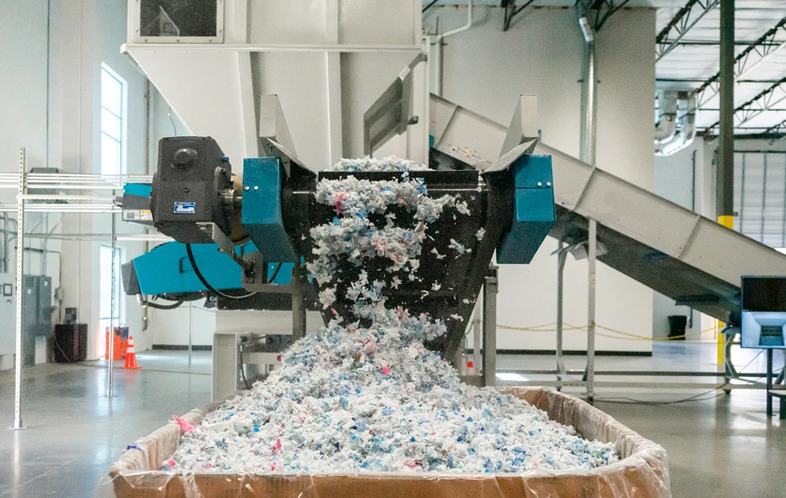
4 Eco-Friendly Technologies Transforming Modern Textile Production
The textile industry is known as one of the largest manufacturing sectors in the world. However, behind its growth, it also faces significant challenges related...
LEARN MORE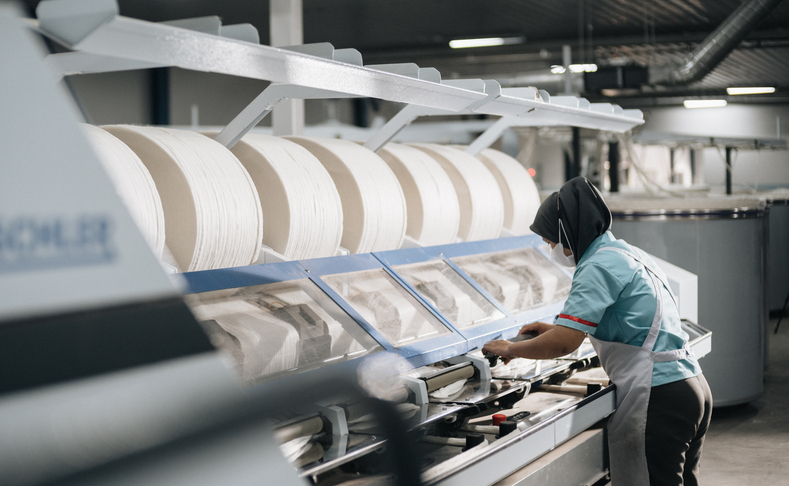
5 Biggest Challenges in Implementing Eco-Friendly Production in the Textile Industry
The textile industry is currently at a critical crossroads. On one hand, market demand for more sustainable products continues to grow. On the other hand, texti...
LEARN MORE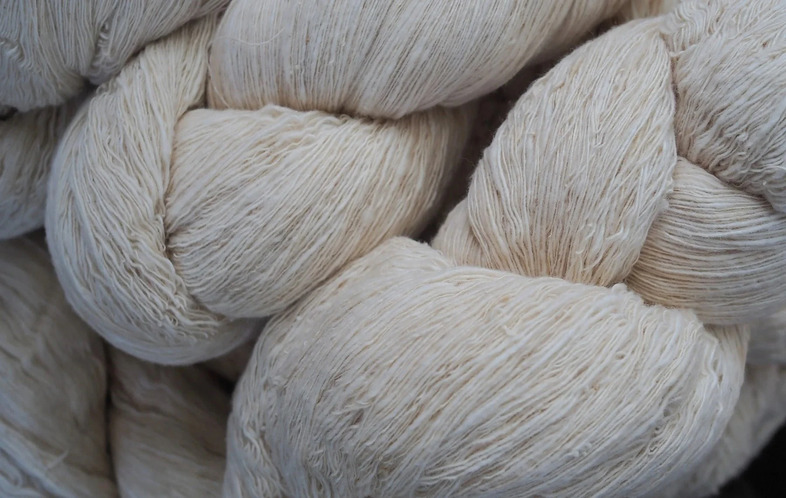
Here’s How the Textile Industry Determines Cotton Yarn Quality Standards
In the textile industry, yarn quality serves as the foundation that determines the overall quality of fabrics and final products such as garments, home textiles...
LEARN MORE
Why Clothes with Polyester Blends Don’t Stretch Out Easily? Here’s the Secret
Have you ever owned a piece of clothing that still looks neat even after being worn and washed multiple times? Meanwhile, other garments quickly stretch out and...
LEARN MORE
Don’t Iron Carelessly! A Safe Temperature Guide for Caring for Synthetic Fabrics
Synthetic clothing has become increasingly popular due to its lightweight feel, wrinkle resistance, and easy maintenance. However, many people still make mistak...
LEARN MORE
The Secret Behind High-Performance Cotton Sportswear with TransTechnology
When talking about sportswear, most people immediately think of synthetic materials like polyester or nylon. Cotton is often considered less ideal because it ea...
LEARN MORE
Not Just Comfortable: Why 100% Cotton Is Essential for Eczema and Sensitive Skin
Itchy, red, or burning skin is a common concern for many people—especially those with eczema and sensitive skin. While many have tried various skincare products...
LEARN MORE
Types of Men’s Shirt Fabrics and Their Differences: Which One Is the Most Comfortable?
Choosing a men’s shirt often seems simple. The designs look similar, the colors vary, and everything appears neat when worn. However, have you ever felt that so...
LEARN MORE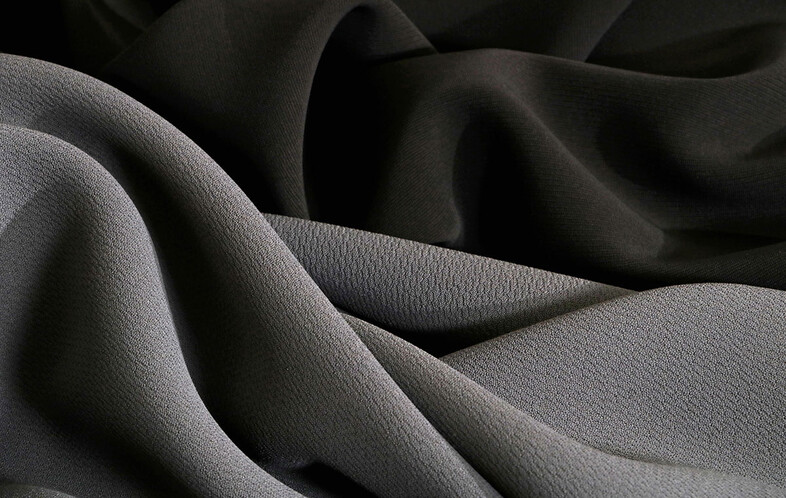
Same Polyester, So Why Do Some Feel Hot While Others Feel Cool?
Have you ever worn two polyester garments but experienced completely different levels of comfort? One may feel hot, damp, and uncomfortable, while another feels...
LEARN MORE
Clothes Stay Clean Longer? Nanotextile Technology Might Be the Answer!
Have you ever spilled coffee or sauce on your clothes and immediately worried the stain would be difficult to remove? In today’s modern textile industry, this p...
LEARN MORE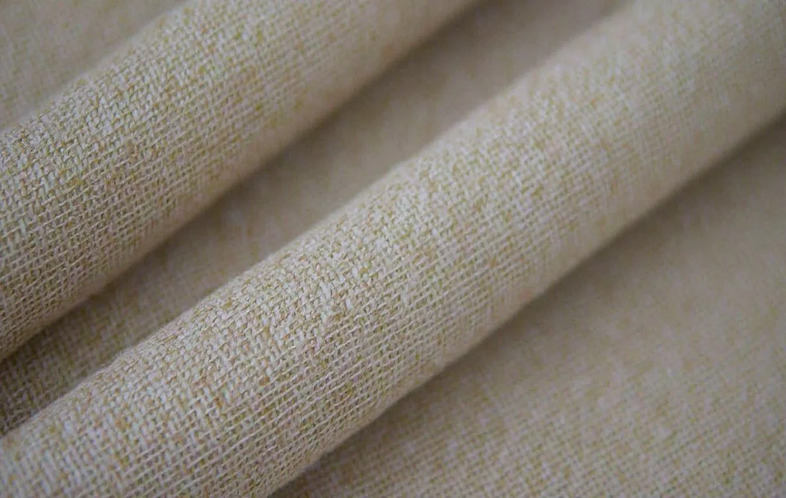
Why Ramie Could Be the Most Sustainable Textile Material in the World
The global textile industry is currently facing increasing pressure to become more environmentally friendly. Consumers are becoming more aware of the environmen...
LEARN MORE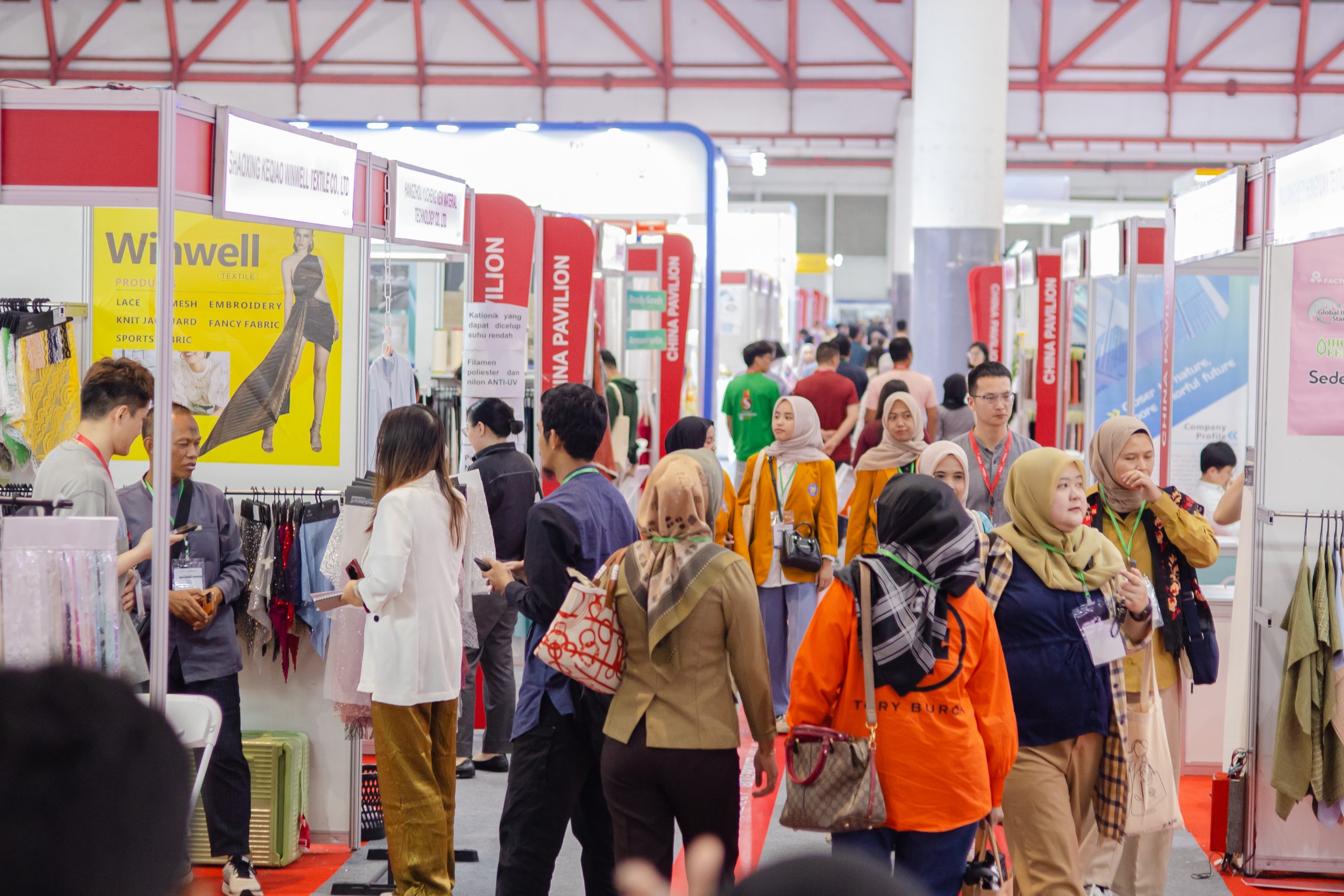
Indo Intertex, The Main Event for the Textile and Garment Industry in Indonesia
The textile and garment industry is one of the most important manufacturing sectors in Indonesia. From the production of yarn and fabrics to finished garments,...
LEARN MORE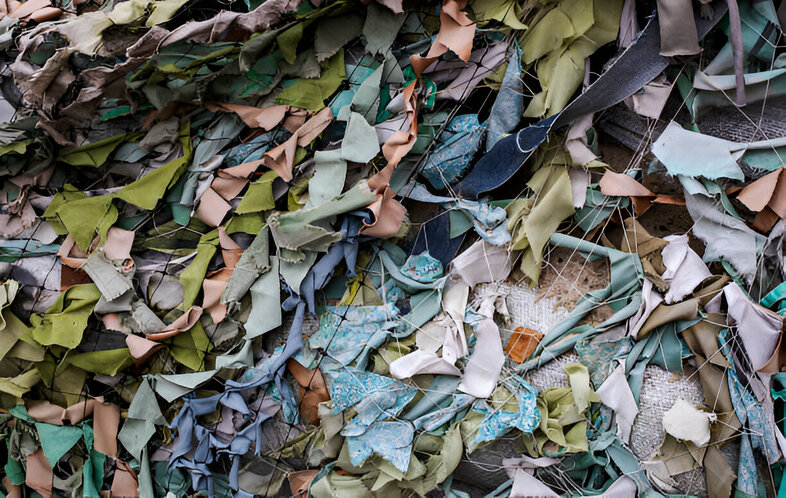
Majun Cloth: From Textile Waste to High-Value Cleaning Solution
Behind its simple appearance, majun cloth plays an important role as an effective, economical, and environmentally friendly cleaning solution across many indust...
LEARN MORE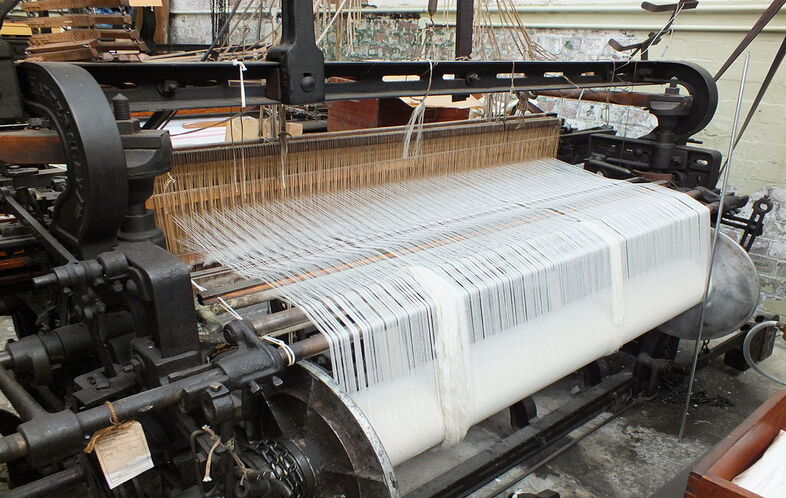
Expensive Fabric vs. Regular Fabric? The Answer Lies in the Weaving Process
Before you read further, have you ever wondered why two fabrics that look similar can have significantly different prices? The answer does not lie solely in the...
LEARN MORE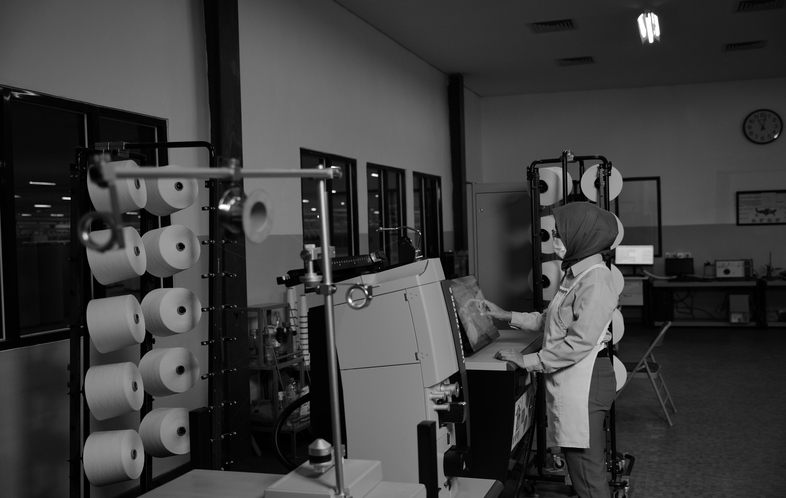
Without ISO 9001, What Risks Do Textile Factories Face?
Amid increasingly intense competition in the textile industry, product quality alone is no longer enough. Buyers, brand owners, and business partners now evalua...
LEARN MORE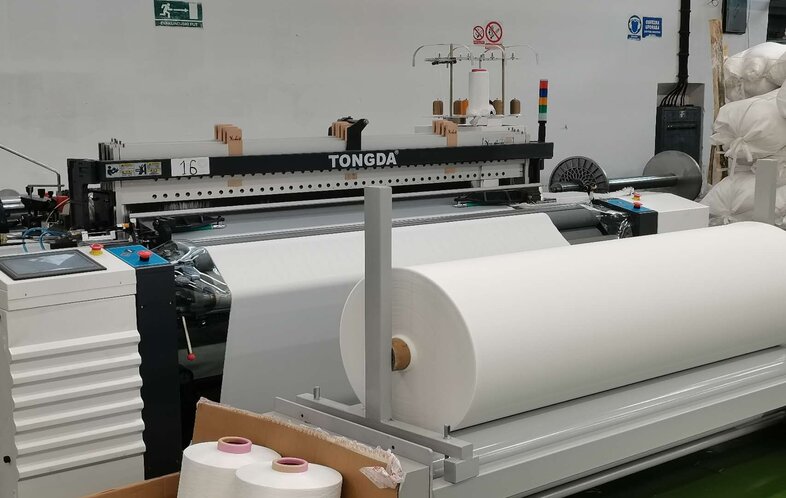
Air Jet Loom Facts Every Textile Factory Should Know
In the midst of global competition in the textile industry, production efficiency is no longer just an advantage—it has become a necessity. Many textile factori...
LEARN MORE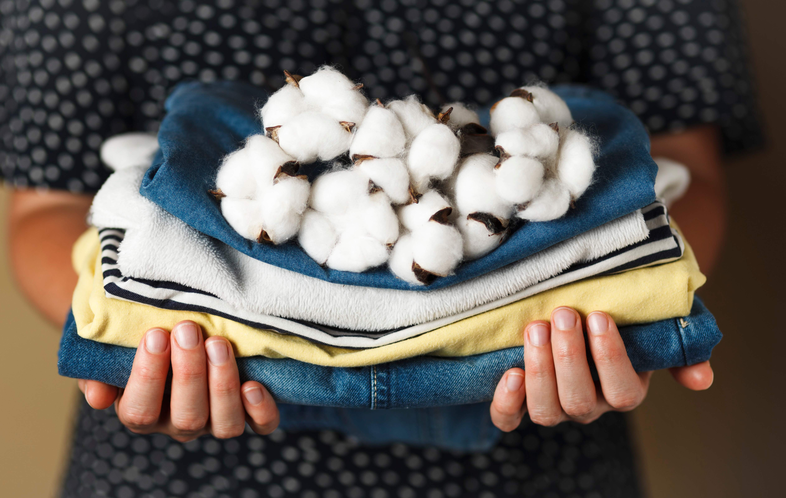
Many People Get Fooled! The Real Differences Between Cotton Types Rarely Explained
Have you ever noticed that clothes labeled cotton can feel completely different from one another? Some feel cool and soft, while others easily trap heat, pill,...
LEARN MORE
The Secret to Long-Lasting Fabric Colors Even After Repeated Washing
Have you ever noticed that a favorite fabric that once looked vibrant starts to fade after just a few washes? Don’t worry—color fading is a common issue experie...
LEARN MORE
Sportswear Smells & Feels Hot Fast? The Importance of Choosing the Right Fabric
Have you ever noticed that your sportswear starts to smell unpleasant and feel hot after just a short workout? Many people assume it’s simply due to sweat or hy...
LEARN MORE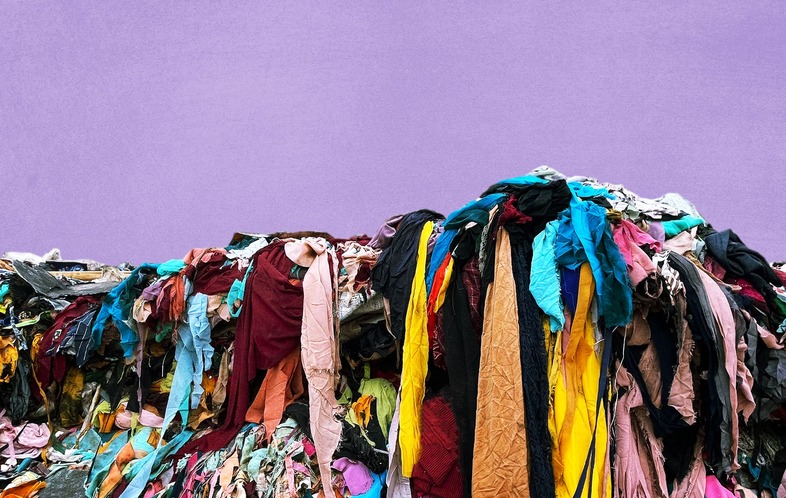
The Latest Textile Recycling Innovation: Textile-to-Textile Recycled Polyester
The global fashion and textile industry is experiencing a major shift, driven by technologies that are truly redefining how we understand textile recycling inno...
LEARN MORE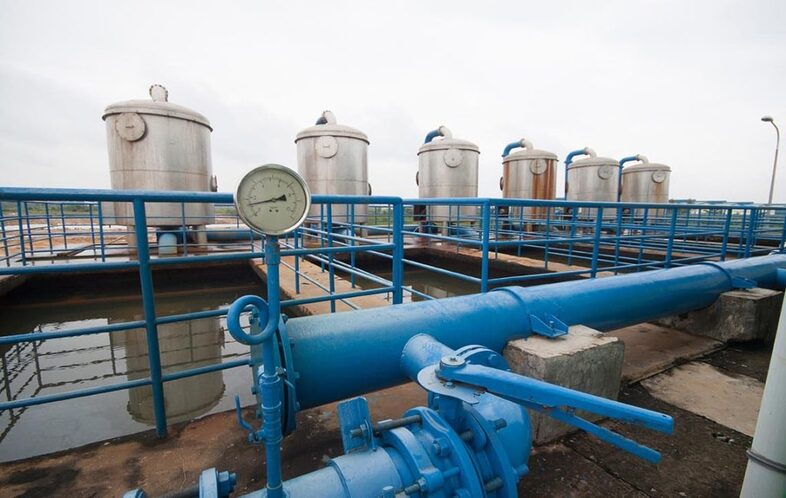
Not Just About WWTP: Common Mistakes Textile Factories Make in Managing Wastewater
Textile wastewater treatment is not just about installing a WWTP. Many factories still make fundamental mistakes in understanding wastewater characteristics and...
LEARN MORE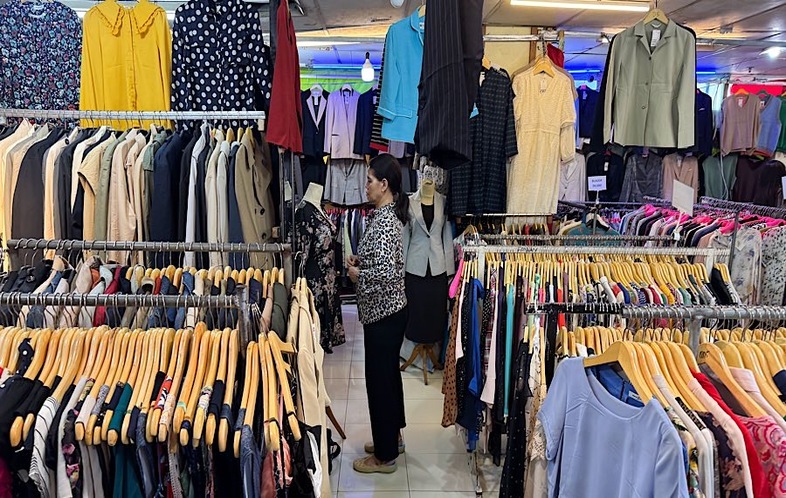
Textile Imports from China Rise, DPR Calls for Stricter Rules
Indonesia is currently facing increasingly complex dynamics in international trade, particularly within the textile sector. You may have noticed a growing prese...
LEARN MORE
Most Popular Work Uniform Fabrics Companies Choose in 2026
Have you ever wondered why work uniforms worn by employees often look comfortable, durable, and professional? The answer is not just about design. In fact, the...
LEARN MORE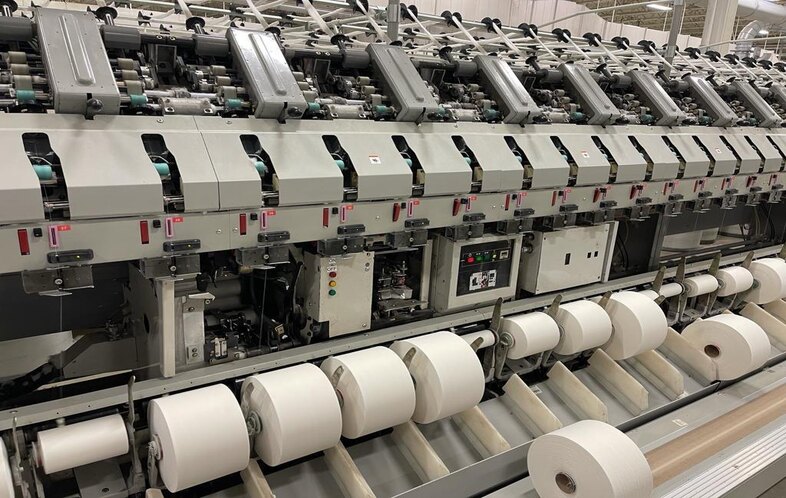
Why Air Jet Spinning Is a Key Technology in Modern Textile Industry?
When you are looking to enhance the competitiveness and productivity of your textile mill in the Industry 4.0 era, one technology that has increasingly become a...
LEARN MORE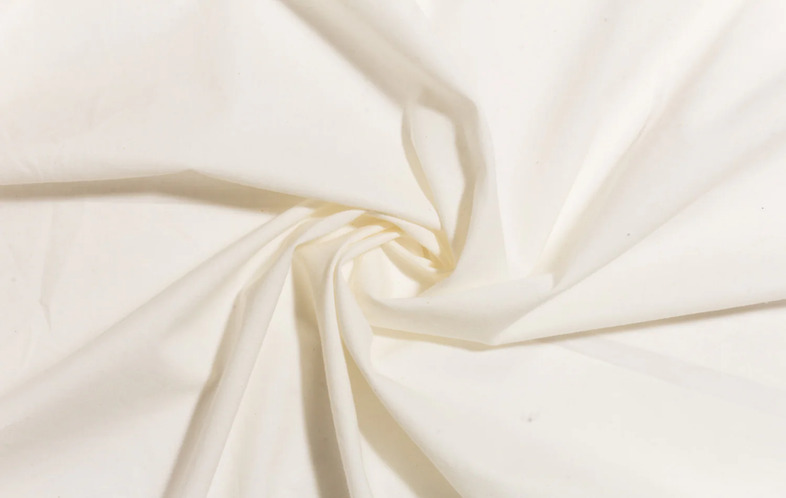
Organic Cotton in 2026: Opportunities for Sustainable Fashion Brands
Organic cotton is becoming a key material in sustainable fashion. This article explores what organic cotton is, how it differs from conventional cotton, its ben...
LEARN MORE
Often Used but Rarely Understood: What Is Polyester Viscose?
Without realizing it, you may have worn polyester viscose fabric many times—whether in workwear, uniforms, or formal clothing. It looks neat, feels fairly breat...
LEARN MORE
Factory Electricity Bills Drop Significantly! The Solar Power Secret Behind Modern Textile Factories
What really happens when textile factories switch to solar panels? This article explores the real impacts on daily operations, production costs, ESG audits, and...
LEARN MORE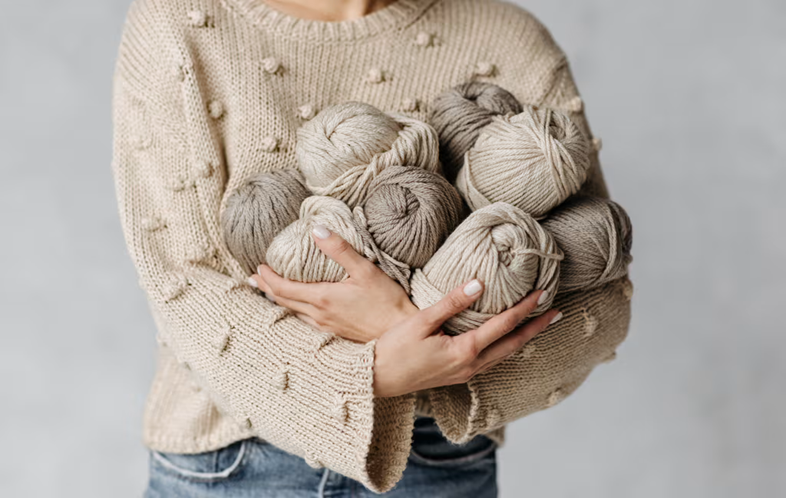
7 Unique Types of Yarn in the Textile Industry You May Not Know
Did you know that the world of textile yarn goes far beyond cotton and polyester? When exploring textiles, you will discover a wide range of unique yarn types,...
LEARN MORE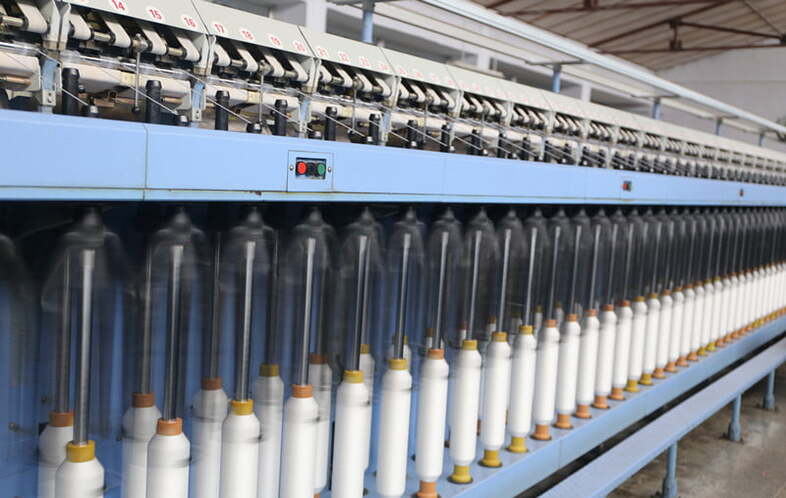
How the Simplex and Roving Process Improves Yarn Quality in Textile Factories
Before the yarn you use in fabrics or finished products comes to life, there is a crucial stage that is often overlooked: the simplex or roving process. Althoug...
LEARN MORE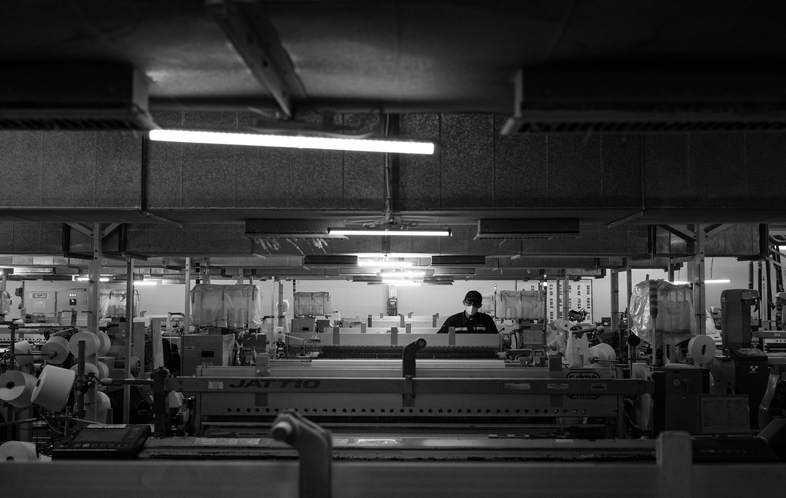
How Important Is OEKO-TEX® STANDARD 100 Certification in the Global Textile Industry?
Many textile manufacturers actually have excellent production quality, yet still struggle to enter export markets for one simple reason: the absence of a global...
LEARN MORE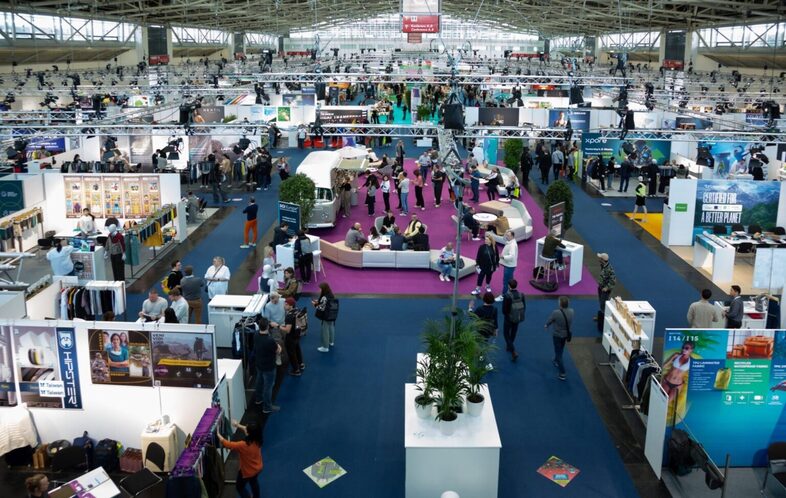
Hidden Benefits of Joining Textile Expo for Textile Industry Growth 2026
Who says a textile expo is only about showcasing your latest products? In reality, behind every booth and catalog, there are hidden benefits that often become t...
LEARN MORE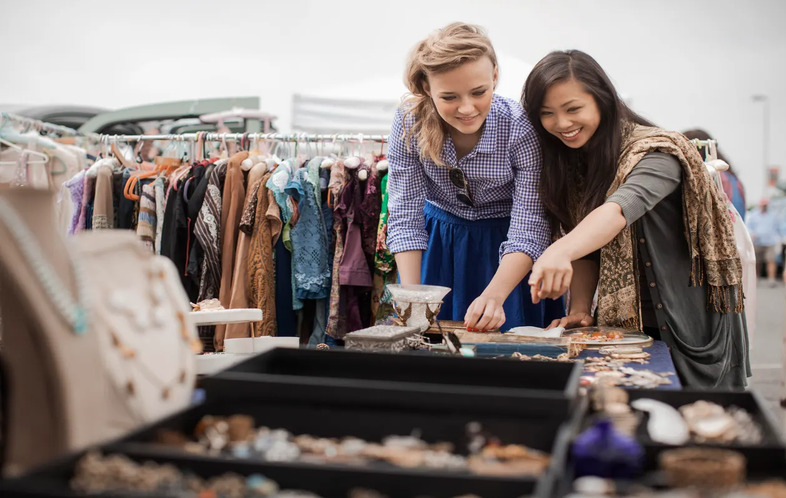
Eco-Friendly Brands Are More Preferred by Gen Z, Here’s Why!
Gen Z increasingly prefers eco-friendly brands driven by sustainability values, transparency, and quality. This article explores the key reasons behind this pre...
LEARN MORE
Why Brands That Care About Sustainability Are More Trusted in 2026
In 2026, sustainability is no longer just a trend, but a key factor in building consumer trust. This article explores why brands that prioritize sustainability...
LEARN MORE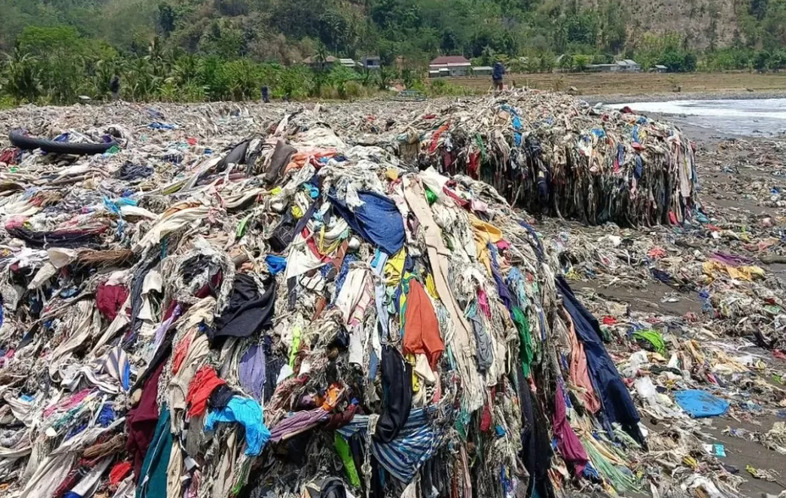
Textile Waste Is Worse Than You Think, Here Are the Facts!
Textile waste has become a critical issue with wide-ranging impacts on both the environment and the industry. This article explores the latest facts and data on...
LEARN MORE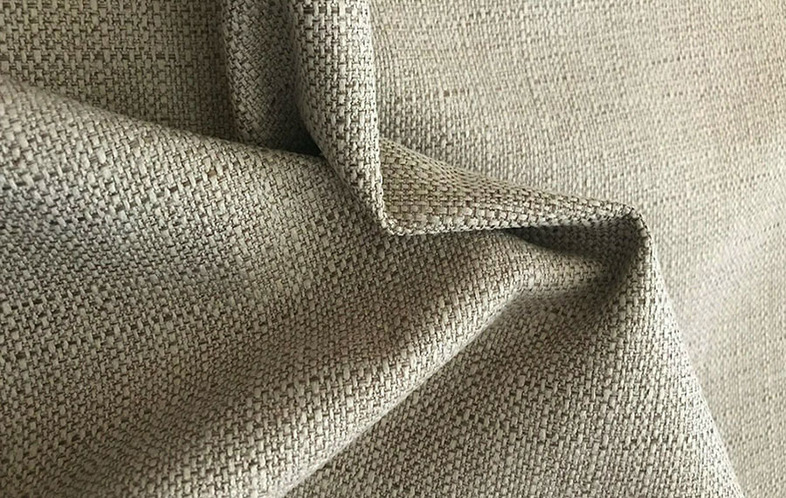
Woven Fabric Clothing: Why It’s the Best Choice for Durable Everyday Wear
Woven fabric is known for its strength, comfort, and durability. This article explores the benefits of woven fabrics, common types, and their everyday applicati...
LEARN MORE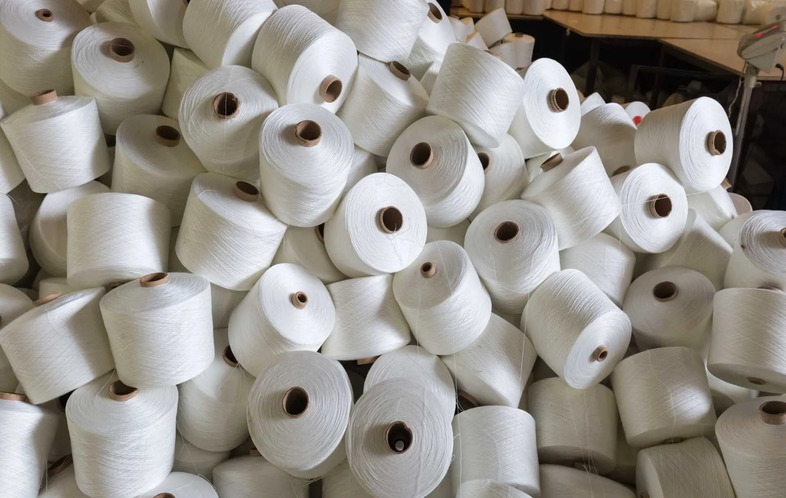
Not All Cotton Is the Same: 7 Ways to Identify High-Quality Cotton Yarn
Discover how to identify high-quality cotton yarn through seven key characteristics, from fiber length to spinning process. This article helps you choose the ri...
LEARN MORE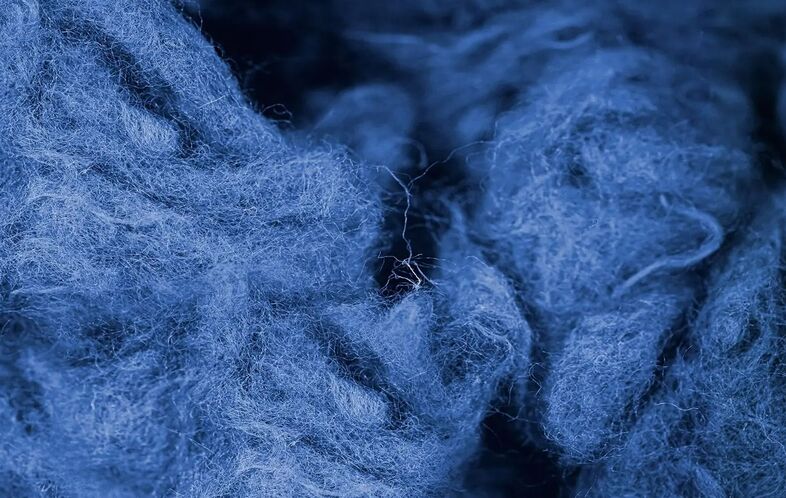
From Waste to Profit: The Huge Potential of Recycled Yarn for the Textile Industry
Textile waste is no longer just a problem—it is a business opportunity. This article explores the potential of recycled yarn as a sustainable and profitable sol...
LEARN MORE
Don’t Choose Carelessly! The Wrong Fabric Can Irritate Your Baby’s Skin
Choosing baby clothing fabric should never be taken lightly. A baby’s sensitive skin needs soft, breathable, and safe cotton fabric. This article explains the b...
LEARN MORE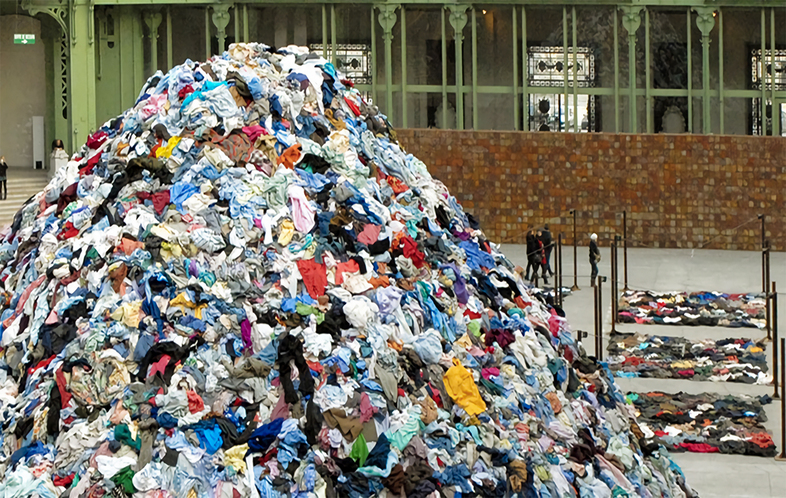
Fashion Waste Crisis in Indonesia: How Clothing Waste Is Being Handled
Fashion waste in Indonesia continues to rise alongside the growth of fast fashion and secondhand clothing imports. This article explores the current situation,...
LEARN MORE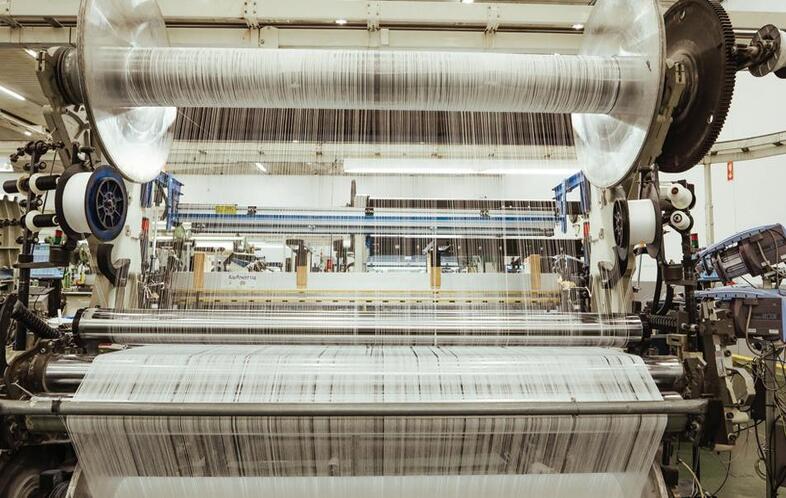
Weaving in Textiles: Definition, Process, and Functions Explained
This article explains the definition of weaving, its basic process, and its functions in the textile industry. Presented in a clear and concise way, it helps yo...
LEARN MORE
The Differences Between 20S, 24S, and 30S Yarn in the Textile Industry
This article explains the differences between 20S, 24S, and 30S yarn in the textile industry, covering thickness, comfort, and applications. By understanding ea...
LEARN MORE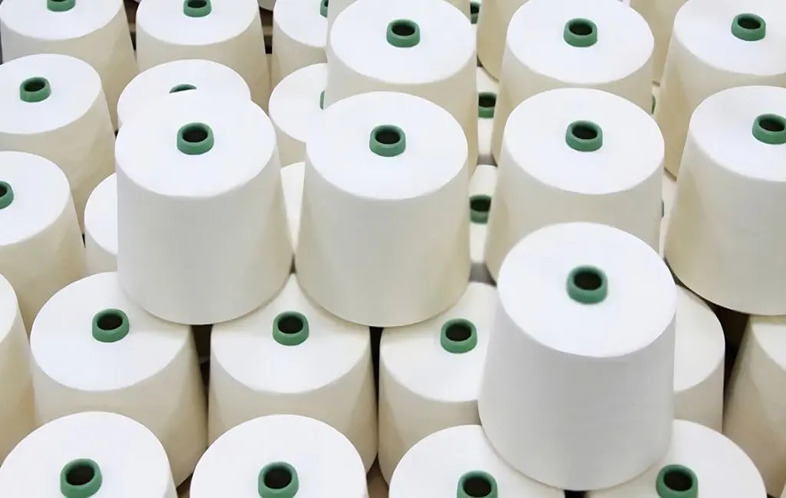
5 Easy Ways to Check Whether Cotton Combed Is Real or Fake
Discover 5 easy ways to check the authenticity of cotton combed to avoid choosing the wrong material. From texture and fiber inspection to water absorbency and...
LEARN MORE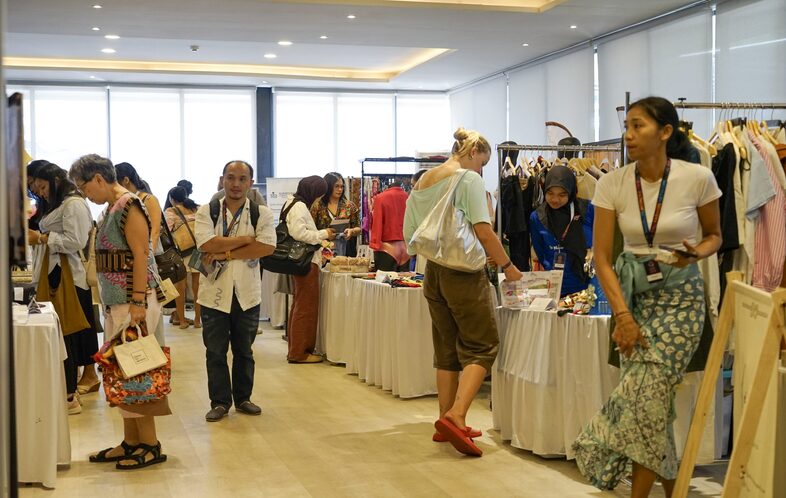
Textile MSMEs Go Global Through Bali Fashion Network 2026
This article explores how Bali Fashion Network 2026 serves as a strategic platform for Indonesian textile MSMEs to enter global markets, offering business netwo...
LEARN MORE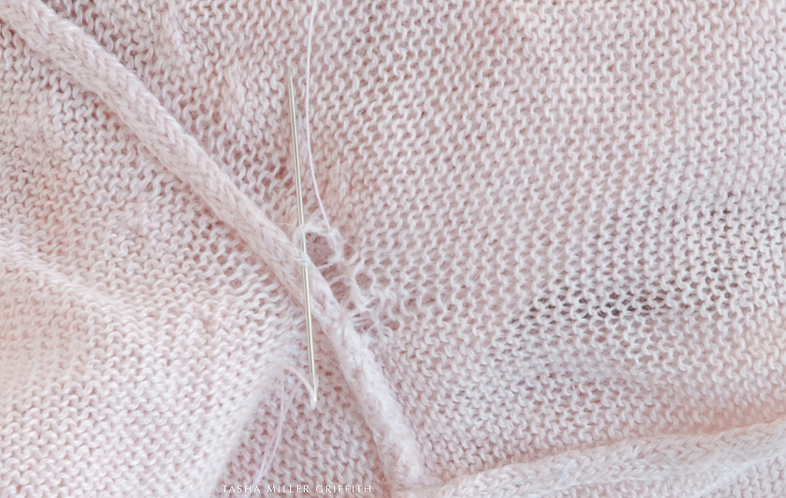
Common Issues in Knitted Fabric (Fabric Defects) and How to Prevent Them
This article explores common knitted fabric defects found in textile production, covering defect types, technical causes, and effective prevention methods. By u...
LEARN MORE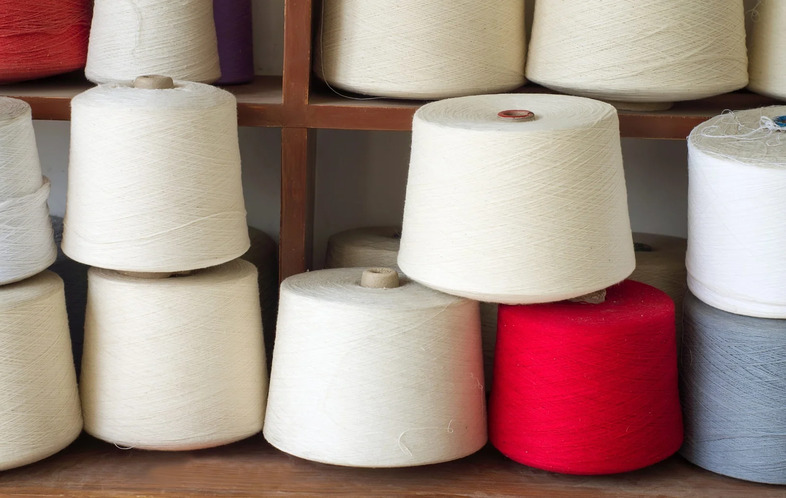
Understanding Yarn Count: A Standard of Yarn Measurement You Need to Know
This article explains yarn count as a standard yarn measurement in the textile industry. It covers direct and indirect measurement systems and their application...
LEARN MORE
The Role of Medical Textiles in Maintaining Hospital Safety and Hygiene
This article explores the crucial role of medical textiles in maintaining hospital safety and hygiene. It covers material types, key performance characteristics...
LEARN MORE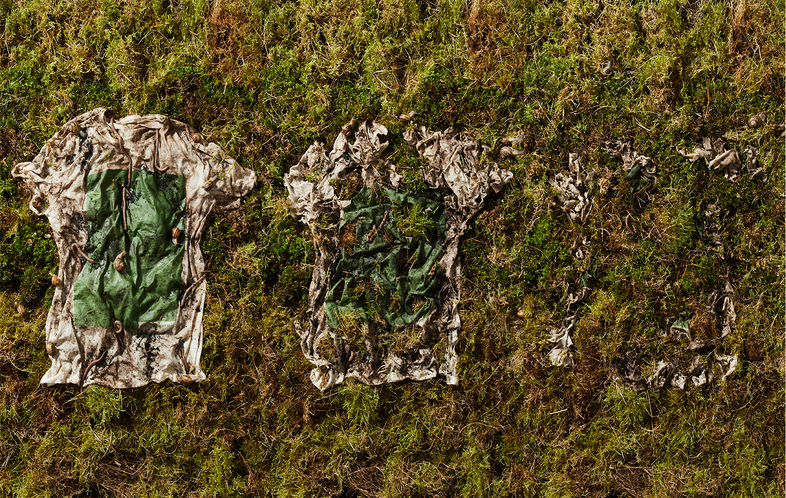
What Is Biodegradable Fabric? Definition, Types, and Benefits
This article explains what biodegradable fabric is, its main types, and its benefits for a more sustainable textile industry. By understanding naturally degrada...
LEARN MORE
Strategies Used by Textile Factories to Prevent Fabric Defects Before Finishing
This article explores key strategies used by textile factories to prevent fabric defects before the finishing process. From raw material inspection and integrat...
LEARN MORE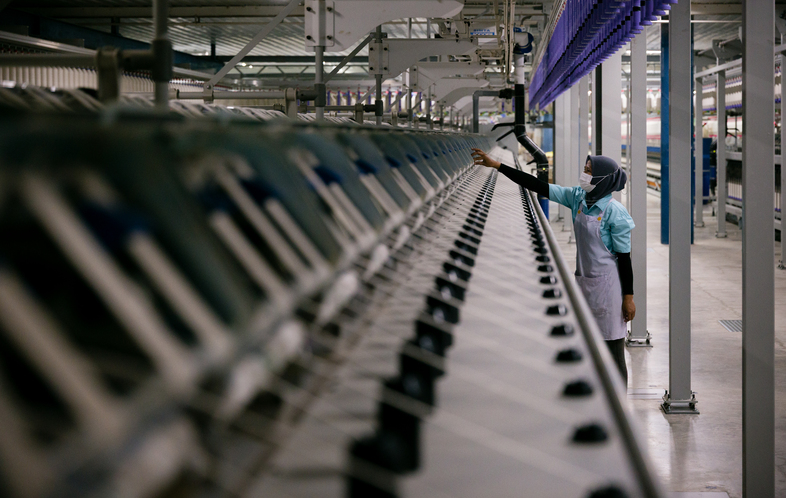
Global Yarn Mill Benchmarking: Production Standards, Technology, and Efficiency
This article explores global yarn mill benchmarking as a strategic approach to improving production standards, technology adoption, and operational efficiency....
LEARN MORE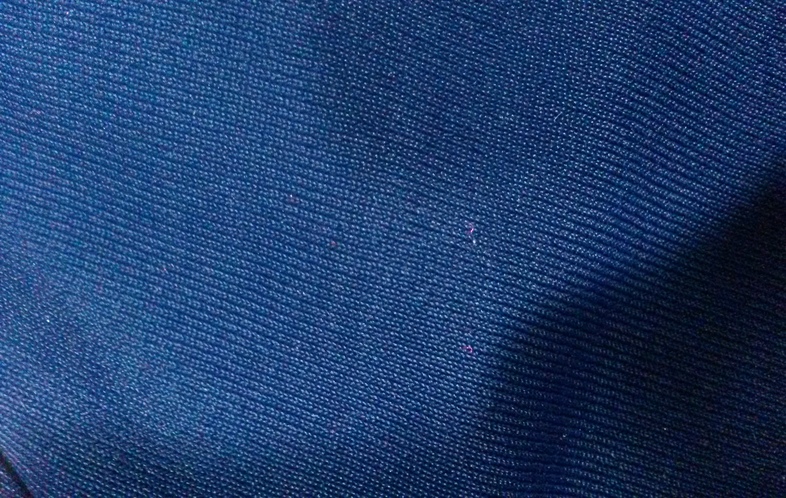
Functional Fabrics for Sportswear: Types, Technologies, and Benefits
This article explores functional fabrics for sportswear, covering their types, technologies, and key benefits. Learn how features such as moisture-wicking, brea...
LEARN MORE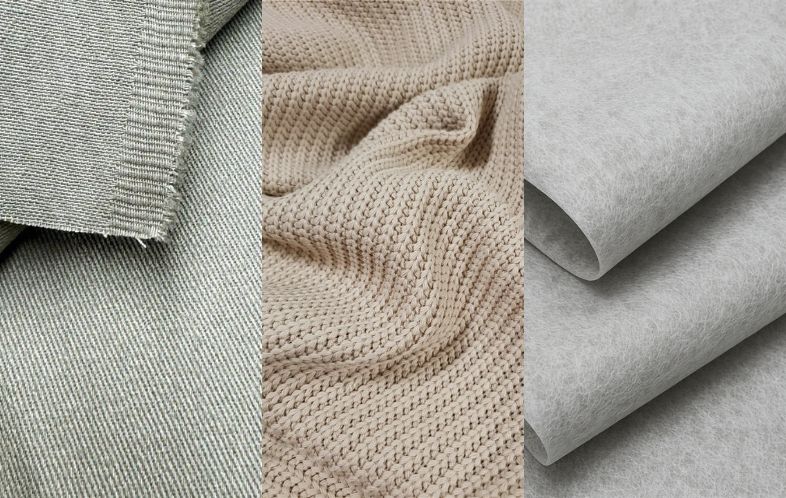
Types of Woven, Knitted, and Non-Woven Fabrics: Differences, Advantages, and Applications
This article explains the differences between woven, knitted, and non-woven fabrics, covering their structures, advantages, and applications. A practical guide...
LEARN MORE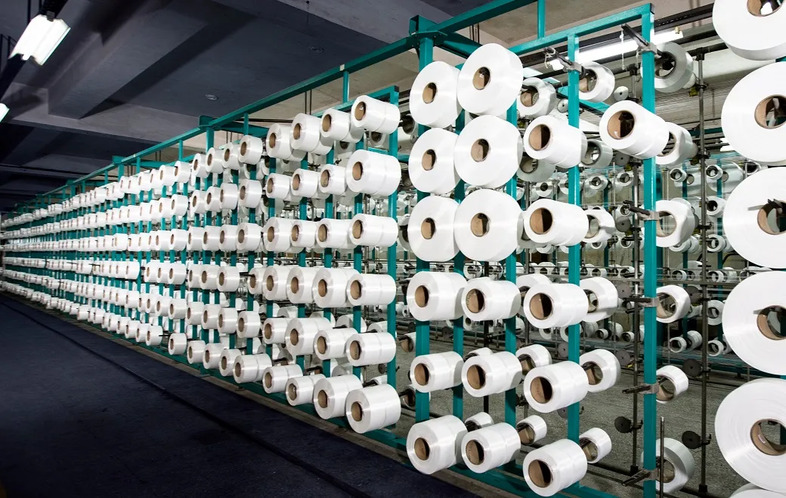
The Role of Yarn Quality in Maintaining Supply Chain Stability in the Textile Industry
This article explores the critical role of yarn quality in maintaining supply chain stability within the textile industry. From production efficiency to final p...
LEARN MORE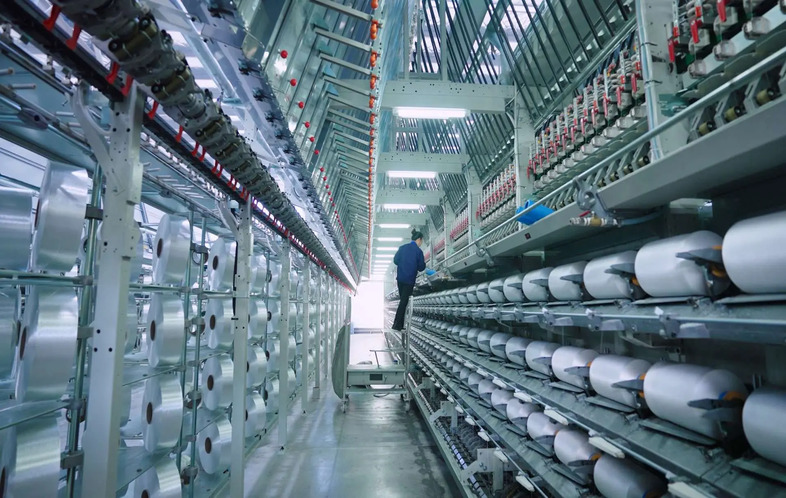
Industries That Rely on High-Quality Polyester Yarn
This article explores key industries that rely on high-quality polyester yarn, including textiles, apparel, automotive, and construction. It highlights technica...
LEARN MORE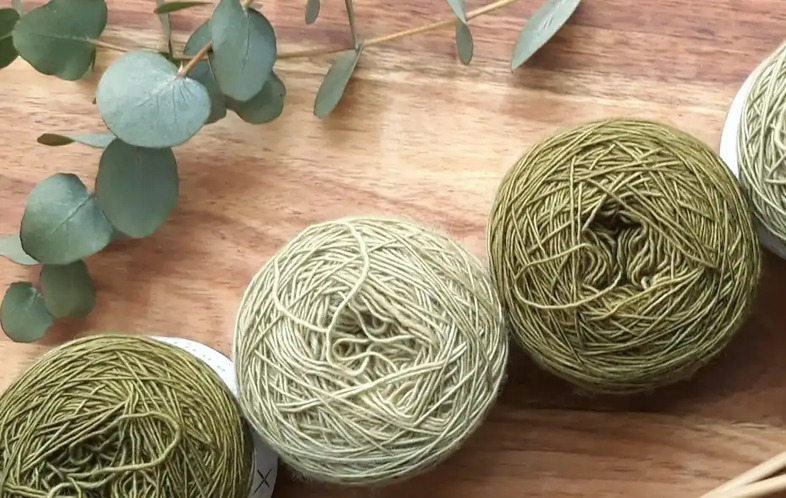
7 Types of Eco-Friendly Yarn Suitable for the Textile Industry
This article explores 7 types of eco-friendly yarn suitable for sustainable textile industries. From organic cotton to recycled yarn, we highlight key character...
LEARN MORE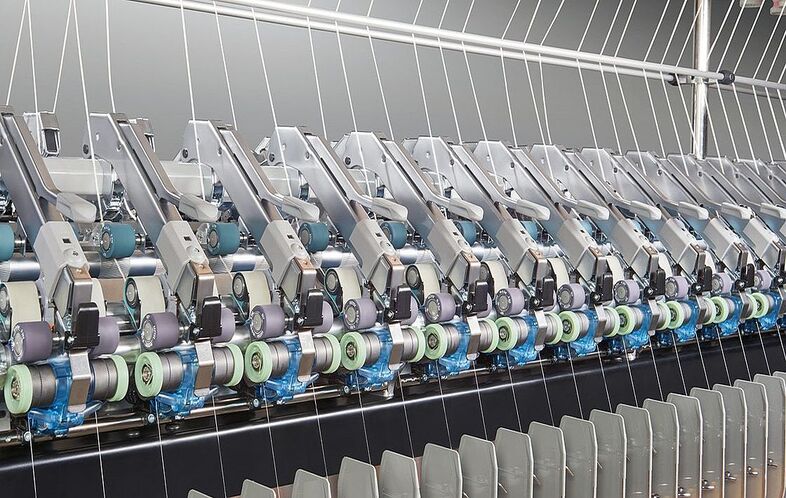
Ring Spinning vs Compact Spinning: Differences, Advantages, and Applications in the Textile Industry
This article explores the differences between Ring Spinning and Compact Spinning in the textile industry. It explains how each method works, their advantages an...
LEARN MORE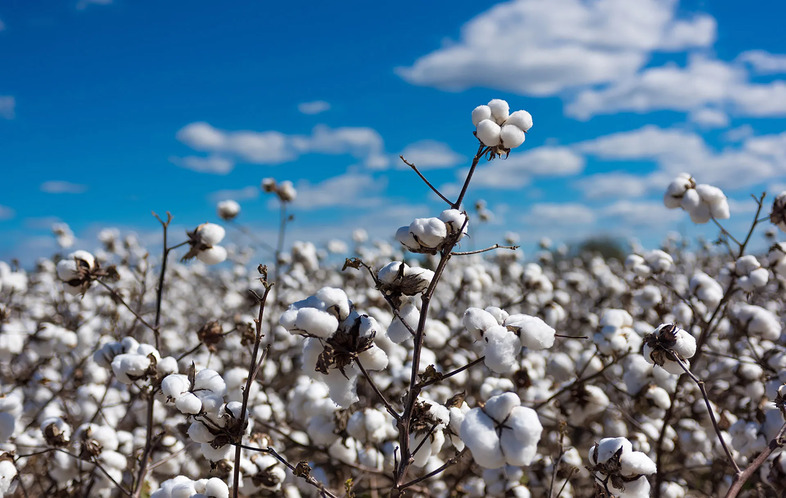
BCI (Better Cotton Initiative): A Sustainable Solution for Textile Mills
This article explains how BCI (Better Cotton Initiative) supports textile mills in meeting global sustainability requirements. It highlights supply chain transp...
LEARN MORE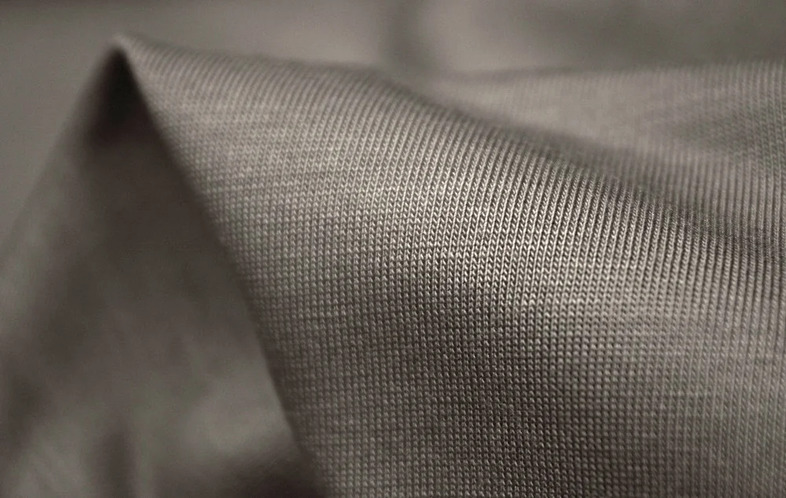
Rayon Fiber Origins Manufacturing Process and Key Advantages for Textiles
This article explores the origin of rayon fiber, from its early development to the manufacturing process using regenerated cellulose. We also highlight the key...
LEARN MORE
Energy Savings in Textile Factories through Solar Power Technology (PLTS)
This article explores how the implementation of Solar Power Plants (PLTS) helps textile and spinning factories reduce energy costs, improve operational efficien...
LEARN MORE
The Benefits of Solar Panels in Reducing Energy Costs in Spinning Mills
This article explores how industrial solar panels can help spinning mills significantly reduce factory electricity costs. Covering energy challenges, technical...
LEARN MORE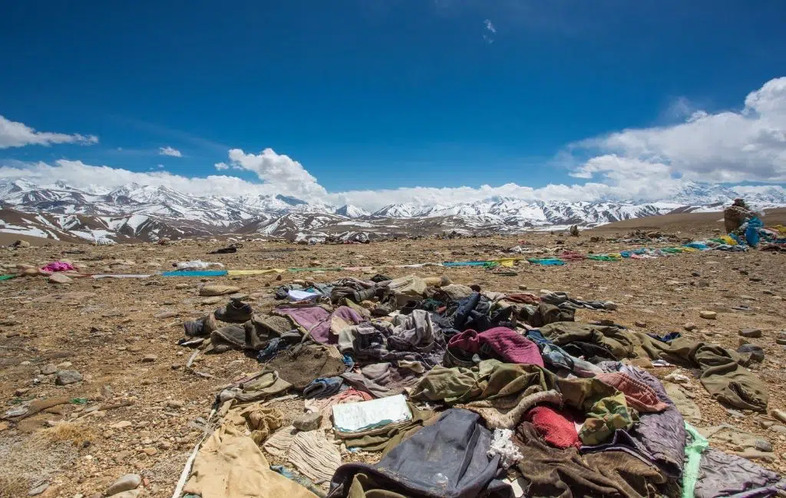
6 Ways to Make Your Clothing Choices More Climate-Friendly
This article highlights six practical ways to make your clothing choices more climate-friendly. From reducing fast fashion consumption and re-wearing your wardr...
LEARN MORE
5 Tips for Choosing Comfortable Clothing Materials During Transitional Weather
Transitional weather can make choosing the right outfit challenging—hot, humid, then suddenly rainy. This article guides you in selecting fabrics that are breat...
LEARN MORE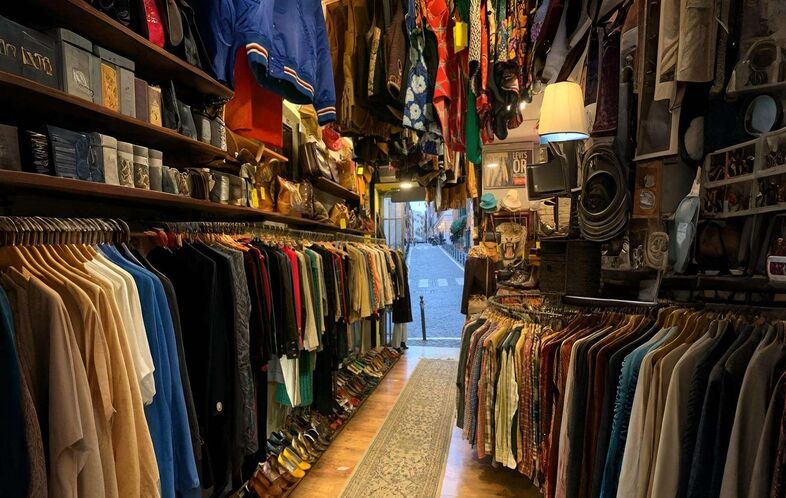
Thrifting: Eco-Friendly Solution or Emerging Problem?
Thrifting is often viewed as an eco-friendly shopping choice, but its impact is more complex than it seems. From overconsumption and waste colonialism to the ri...
LEARN MORE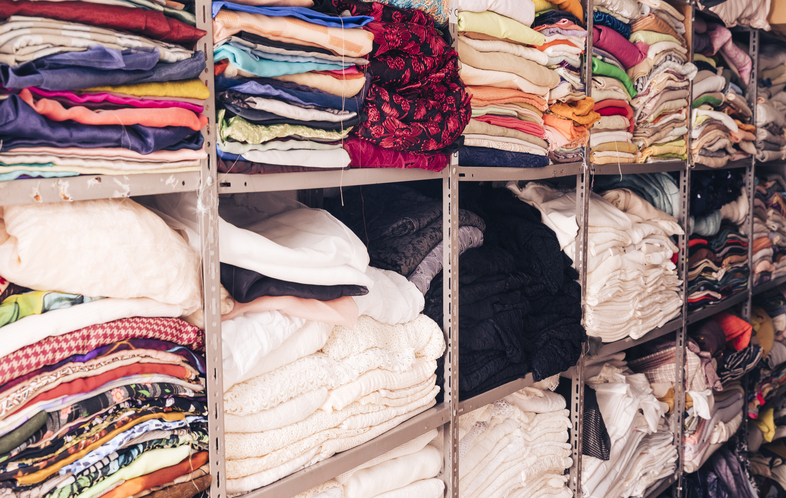
Why Low-Quality Textiles Harm Consumers
Low-quality textiles may look appealing due to their cheap price tags, but they often bring hidden costs. From faster wear and tear, potential chemical risks, a...
LEARN MORE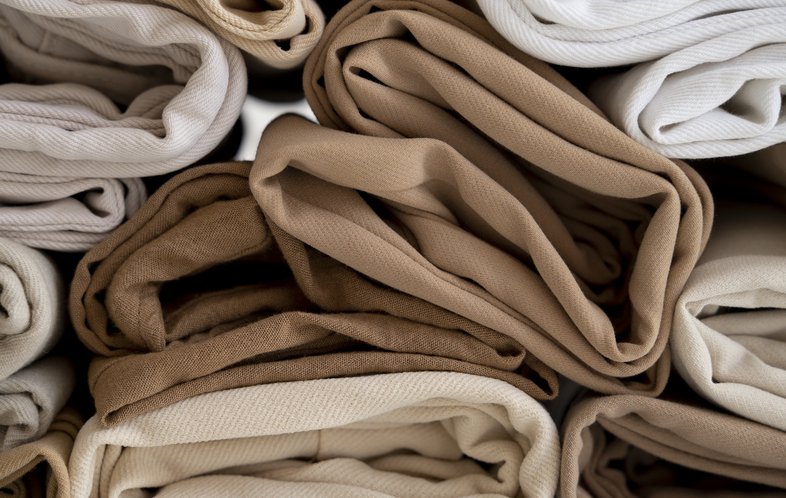
6 Tips for Choosing High-Quality Fabric So You Don’t Regret It
Choosing high-quality fabric is essential to ensure comfort, durability, and a satisfying final result. This article highlights six practical tips—from understa...
LEARN MORE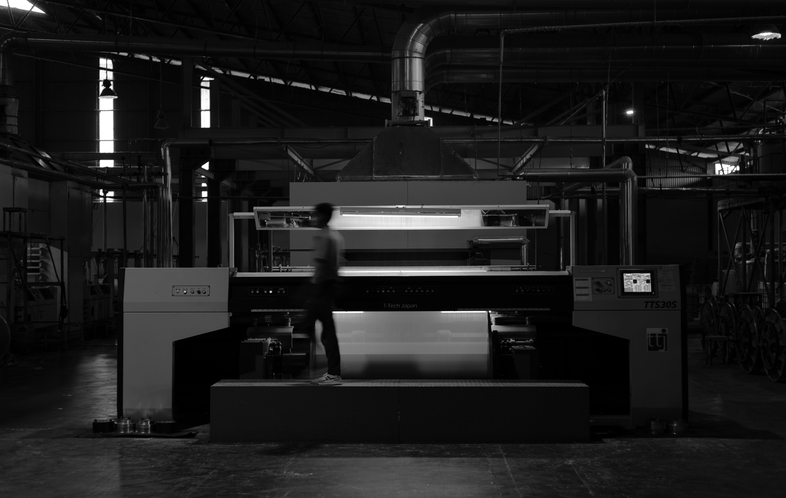
Guide to Choosing the Right Manufacturing Factory for Your Fashion Business
Choosing the right manufacturing partner is crucial for any fashion business. This guide walks you through essential steps—from evaluating technical capabilitie...
LEARN MORE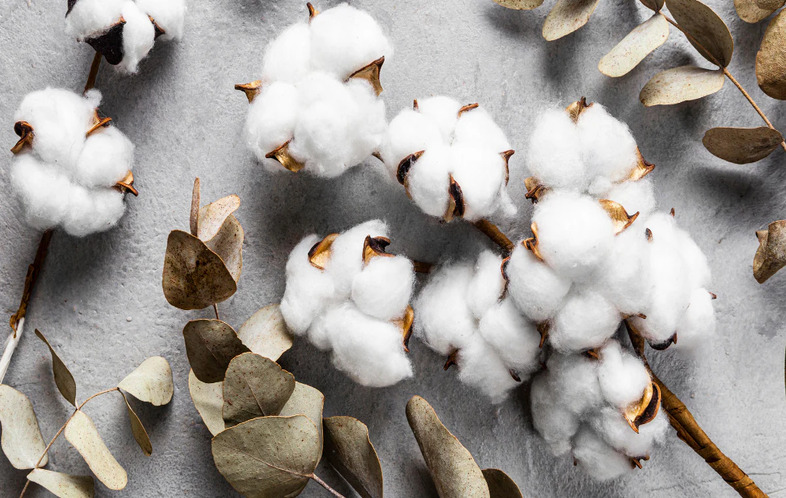
What Is Cotton Fabric and the Most Common Types of Cotton
This article explores what cotton fabric is, its key characteristics, and the most common types of cotton used in the textile industry. It covers cotton species...
LEARN MORE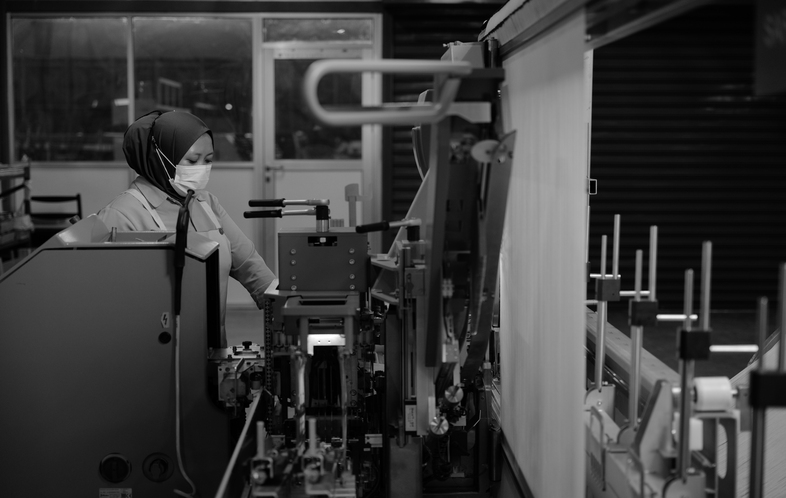
Differences Between Textile, Garment, and Convection You Need to Know
This article breaks down the differences between textiles, garment manufacturing, and convection (small-scale apparel production) in a clear and practical way....
LEARN MORE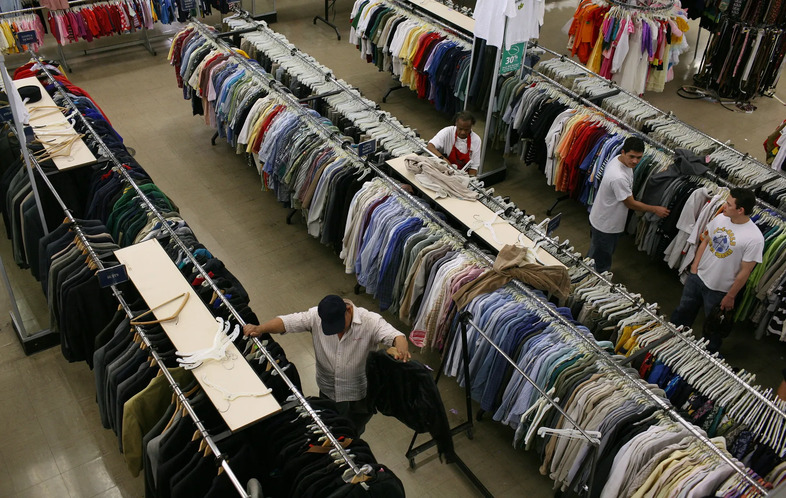
Why Imported Thrift Clothes Are So Popular Today?
This article explores the rising trend of thrifting and why many consumers are drawn to imported second-hand clothing—from affordability to unique styles. Howev...
LEARN MORE
7 Interesting Facts About Polyester Rayon You Should Know
This article explores seven essential facts about polyester rayon fabric—from its complementary fiber blend and comfortable texture to its easy care and growing...
LEARN MORE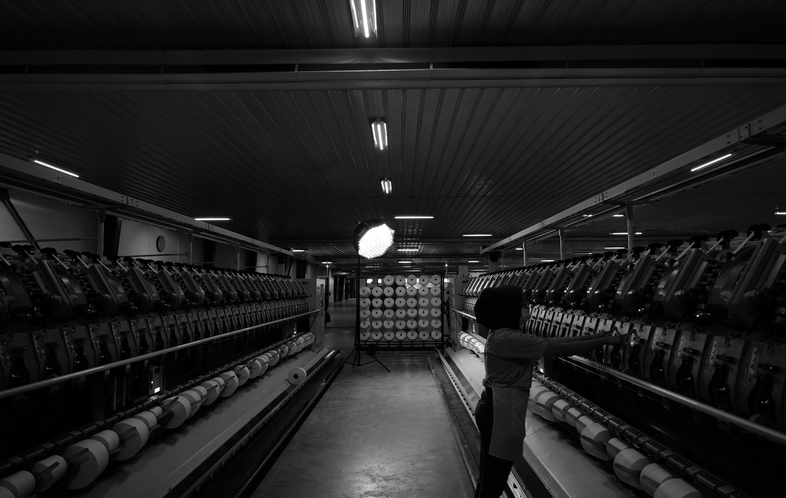
What Is the Winding Process in the Textile Industry? Functions, Stages, and Benefits
This article explains the winding process in the textile industry, covering its definition, key functions, and essential stages such as tension control, yarn cl...
LEARN MORE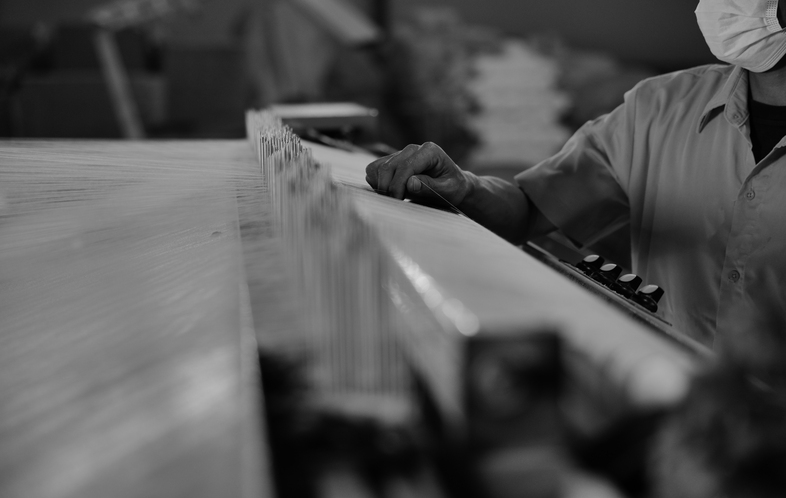
7 International Standards Used in the Modern Textile Industry
This article explains seven key international standards widely used in the modern textile industry, including OEKO-TEX, ISO 9001:2015, TKDN, INDI 4.0, TextileGe...
LEARN MORE
5 Reasons Why Cotton Still Dominates the Global Textile Industry
This article explores the five key reasons why cotton remains a leading material in the textile industry. From natural comfort and long-lasting durability to ve...
LEARN MORE
Polyester vs Cotton: Which One Is More Durable and Comfortable?
This article explains the differences between polyester and cotton in terms of durability, comfort, care, and color retention. Presented in a clear and neutral...
LEARN MORE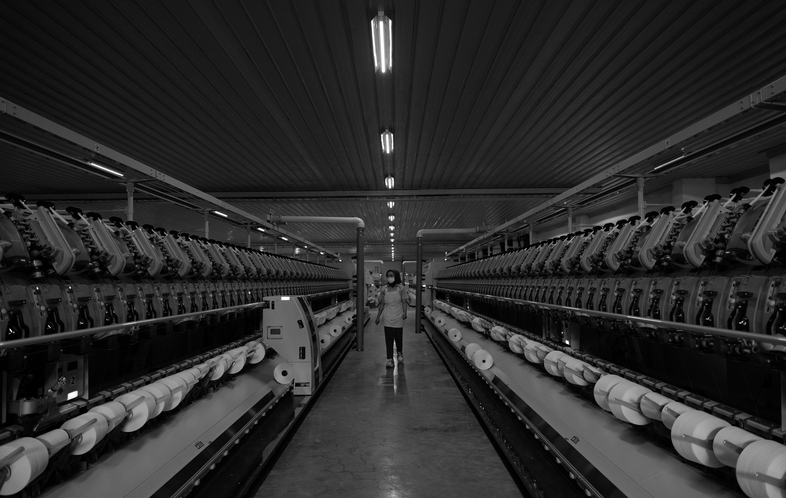
The Positive Impact of Import Restrictions on Indonesia’s Textile Industry
The import restriction policy under Ministerial Regulation No. 17/2025 brings new momentum to Indonesia’s textile industry. This regulation helps protect local...
LEARN MORE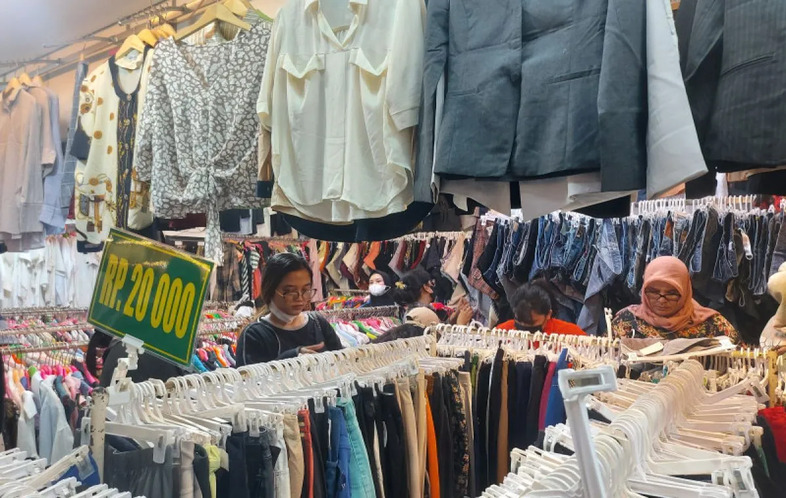
Low-Cost Chinese Textile Imports Threaten Indonesia’s Local Industry
The influx of cheap Chinese textiles is putting severe pressure on Indonesia’s local industry. Low prices may attract buyers, but they come at the cost of local...
LEARN MORE
The Effect of the Winding Process on Textile Yarn Quality
The winding process is more than just rewinding yarn — it serves as a key quality gate before high-speed production. This article explains how tension control,...
LEARN MORE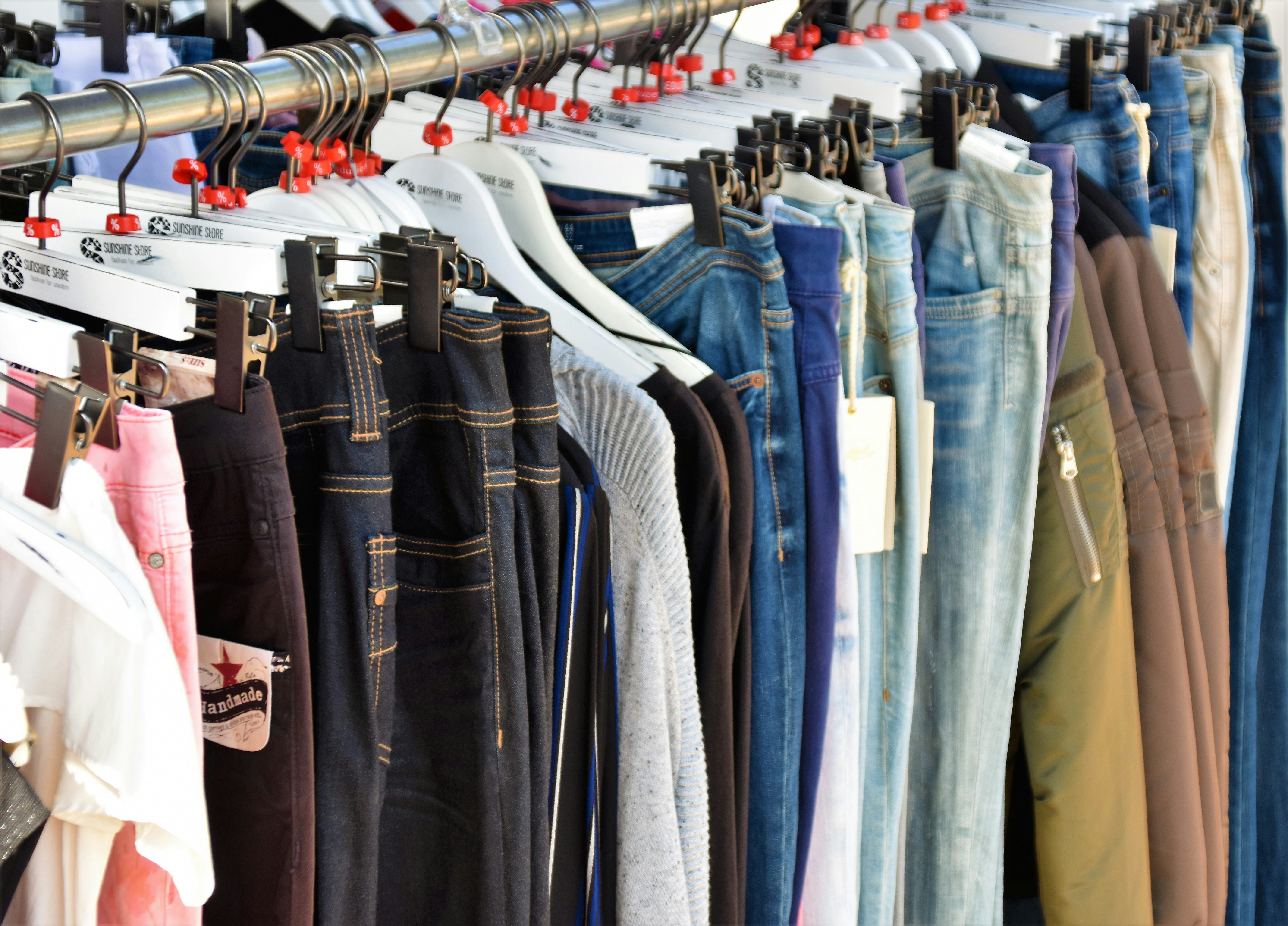
Fast Fashion and Slow Fashion Opportunities for Local Textile Manufacturers
This article explores how the fast fashion trend impacts Indonesia’s textile industry and highlights emerging opportunities through the slow fashion movement. A...
LEARN MORE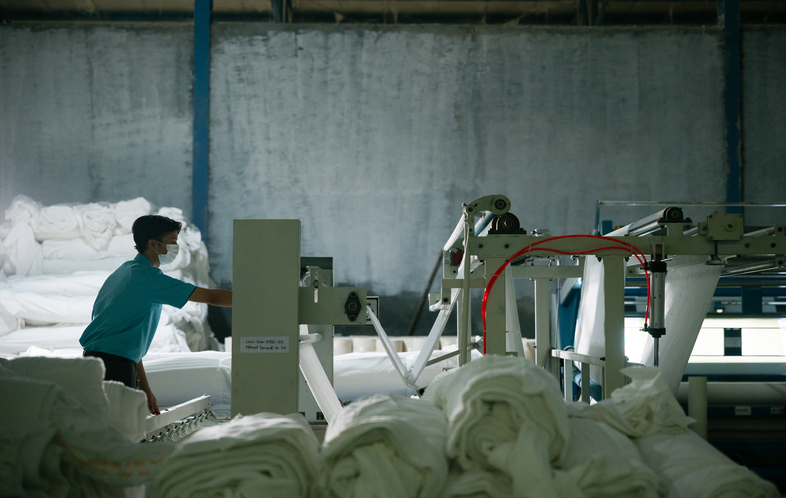
Textile Product Safety Standards in Indonesia and International Markets
This article explores the importance of textile safety standards such as OEKO-TEX, ISO 9001:2015, and the U.S. Cotton Trust Protocol for manufacturers aiming to...
LEARN MORE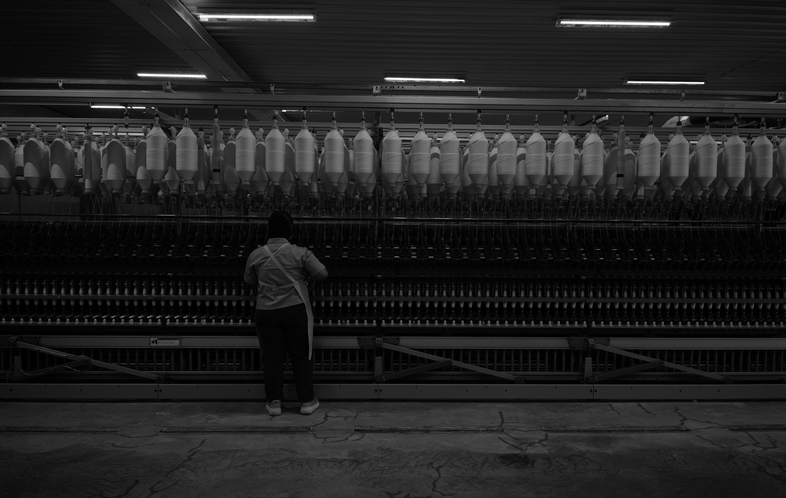
Understanding the Differences Between Ring Spinning, Open-End, and Rotor Spinning
Discover the key differences between Ring Spinning, Open-End, and Rotor Spinning — the three major spinning technologies in the textile industry. Learn their wo...
LEARN MORE
Don’t Get It Wrong! How to Identify 100% Cotton Fabric
This article explains how to identify genuine 100% cotton fabric from synthetic blends through texture, water absorption, and burn test methods. Highly relevant...
LEARN MORE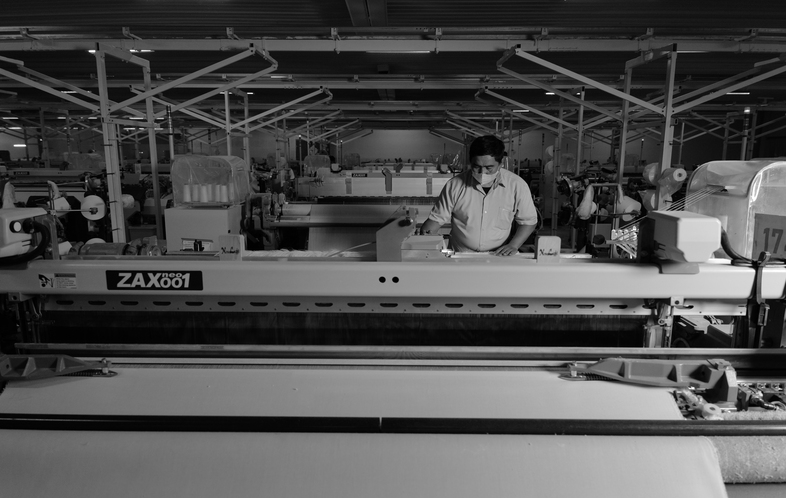
The Importance of Quality Control in Maintaining Weaving Fabric Consistency
This article explains the critical role of quality control in weaving fabric (greige fabric) production to ensure consistent quality across every batch. It cove...
LEARN MORE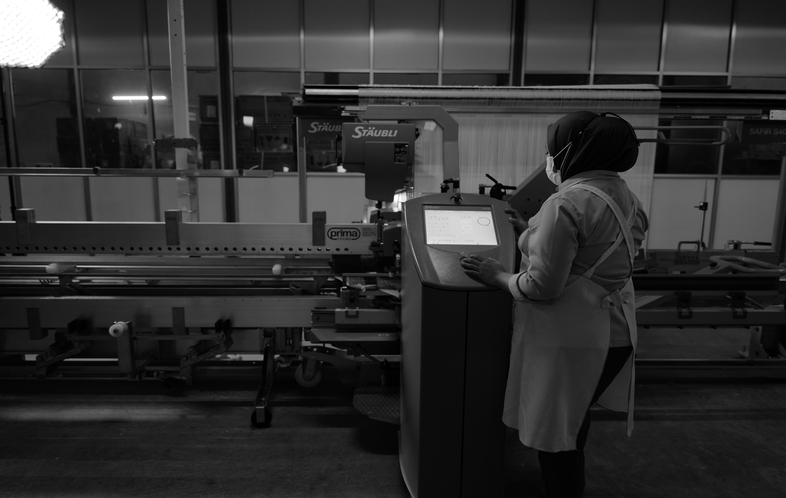
Global Textile Trends 2025–2030: Sustainability, Digitalization, and the Future of the Industry
This article explores the three major trends that will define the global textile industry from 2025 to 2030: sustainability and circular economy, digitalization...
LEARN MORE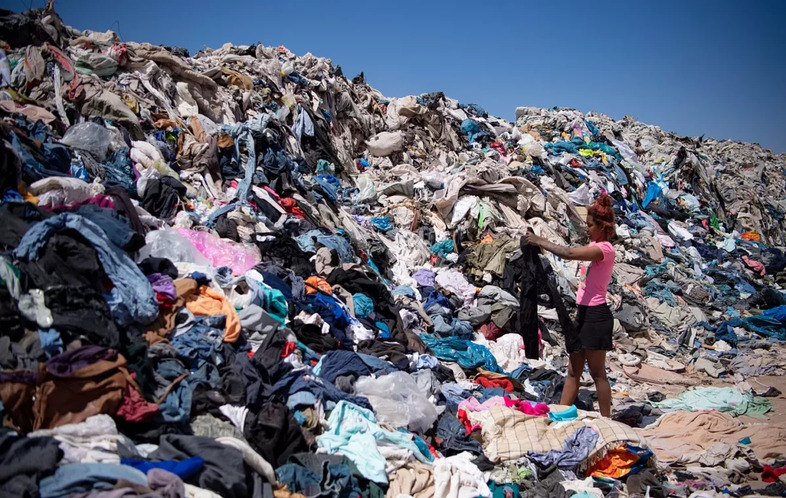
Eco-Friendly Fabrics vs. Fast Fashion: Their Impact on the Environment and Textile Industry
This article explores the key differences between eco-friendly fabrics and fast fashion, focusing on their environmental impact and influence on the global text...
LEARN MORE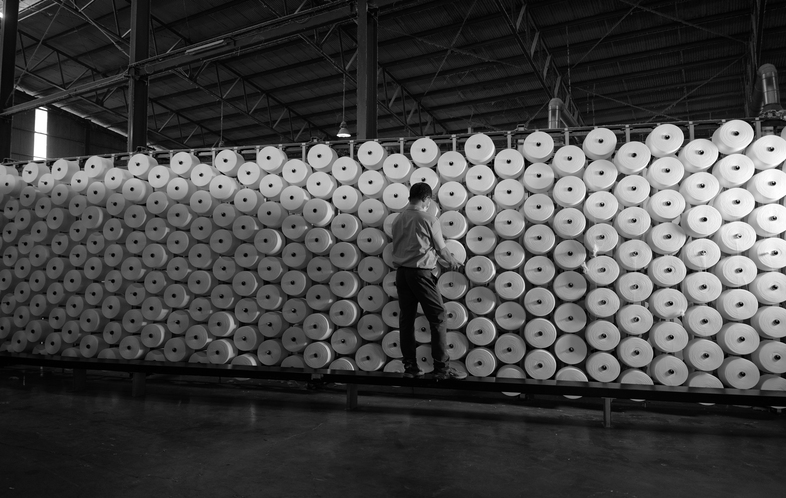
Textile Export Distribution: Challenges, Strategies, and Opportunities
This article explores the key challenges in Indonesia’s textile export and distribution to global markets, while offering effective strategies such as product d...
LEARN MORE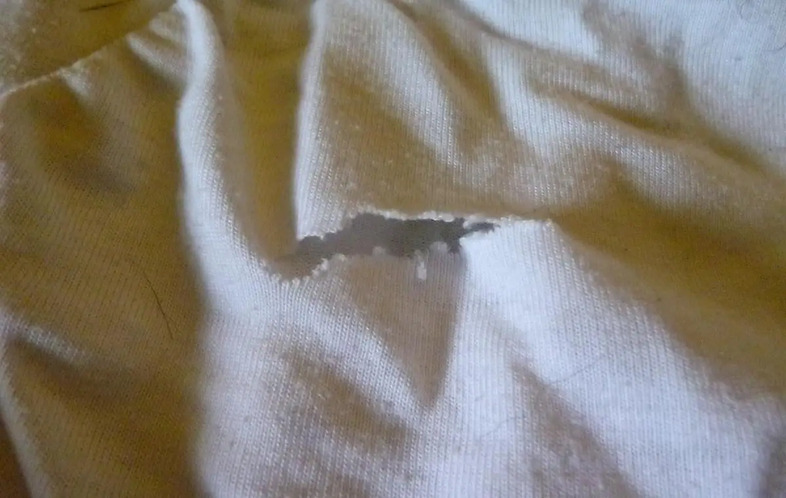
Identifying the Causes of Fabric Damage and How to Improve Fiber Strength
This article explains the common causes of fabric deterioration such as low-quality fibers, improper spinning processes, and environmental factors. It also prov...
LEARN MORE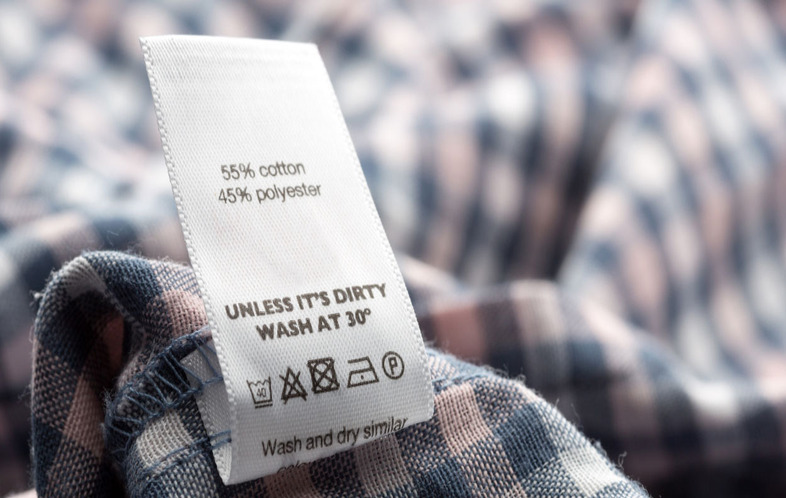
What Are Clothing Labels and Why Are They Important for Fashion Businesses?
This article explains why clothing labels are essential in the fashion and textile industry — not just for branding, but for product safety, transparency, and c...
LEARN MORE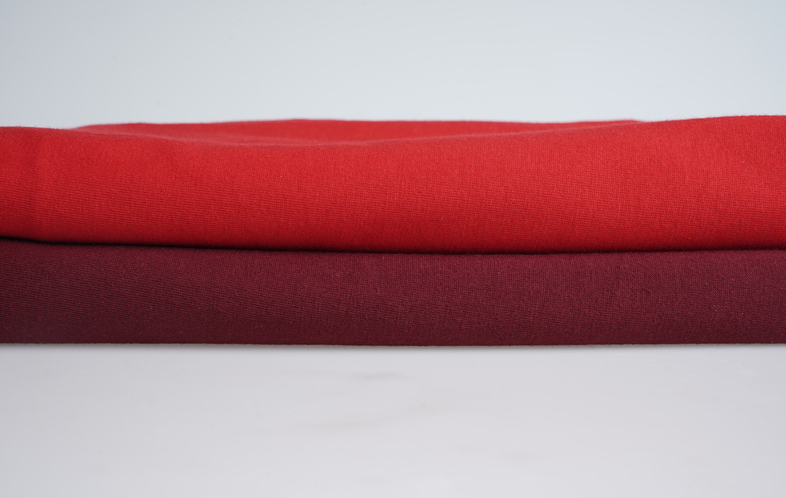
The Difference Between Combed Cotton and Regular Cotton: From Texture to Function
This article explains the key differences between cotton combed and regular cotton, covering their texture, comfort level, and best use cases. Perfect for busin...
LEARN MORE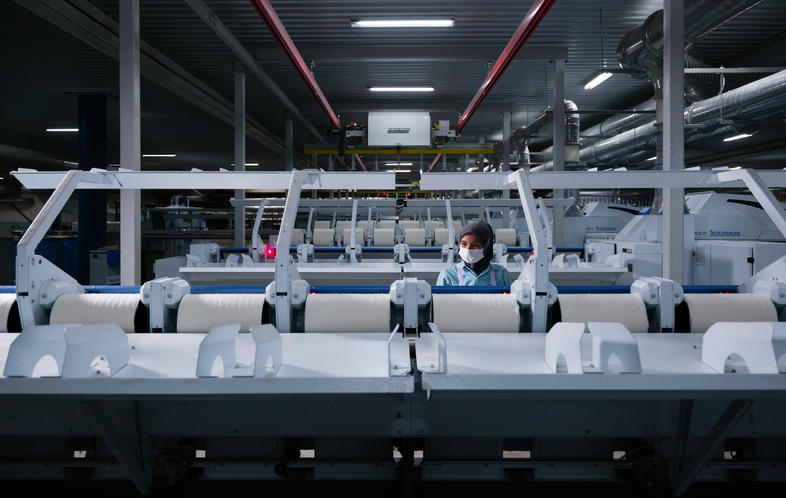
Understanding the Spinning Process in the Textile Industry
This article explains the spinning process in the textile industry, covering its definition, production stages, and modern technology involved. It highlights th...
LEARN MORE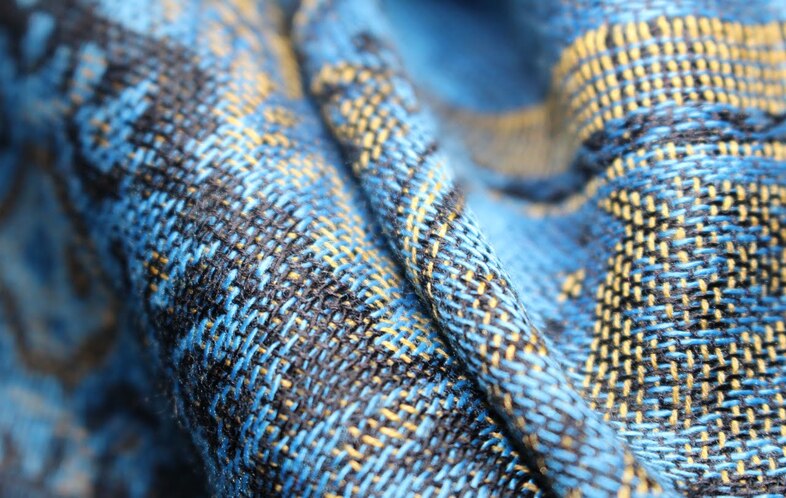
Practical Tips to Store Your Favorite Woven Fabrics for Long-Lasting Quality
Discover simple yet effective ways to keep your woven fabrics beautiful and long-lasting. This article shares practical tips on how to clean, store, and protect...
LEARN MORE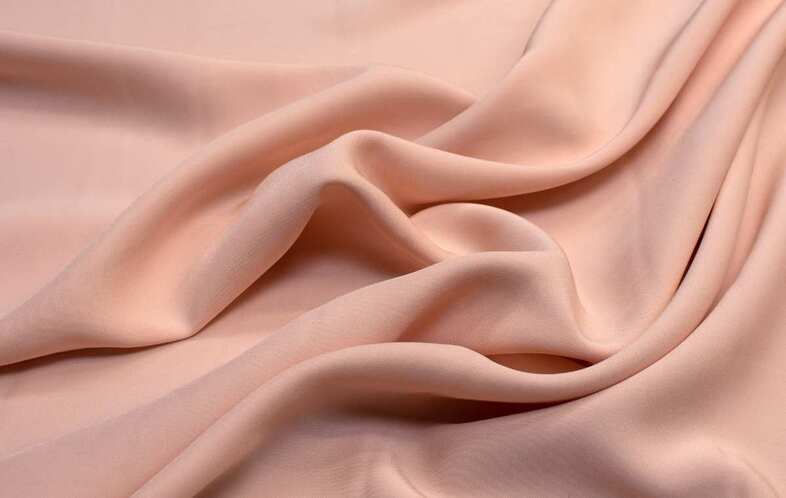
Viscose Care Tips: From Washing to Storage
Learn how to care for viscose fabric to keep it soft, durable, and looking like new. This guide covers essential steps—from washing and drying to proper storage...
LEARN MORE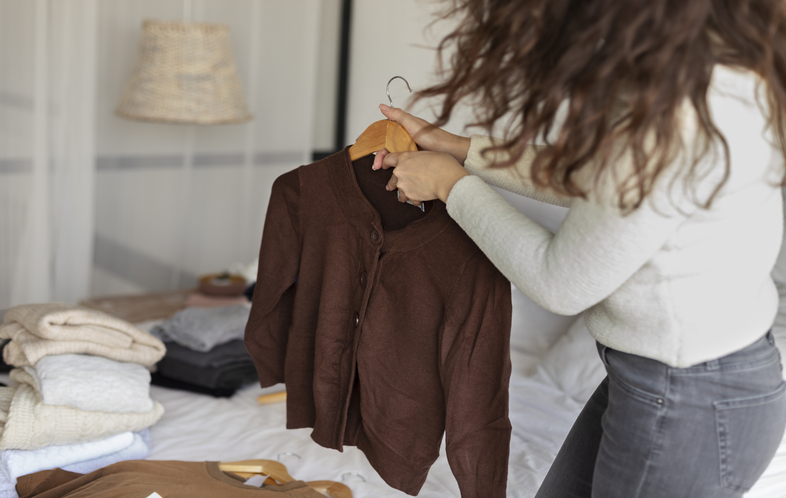
Understanding the Slow Fashion Movement and Its Environmental Benefits
The slow fashion movement offers a mindful alternative to fast fashion’s environmental impact. This article explores its definition, core principles, and benefi...
LEARN MORE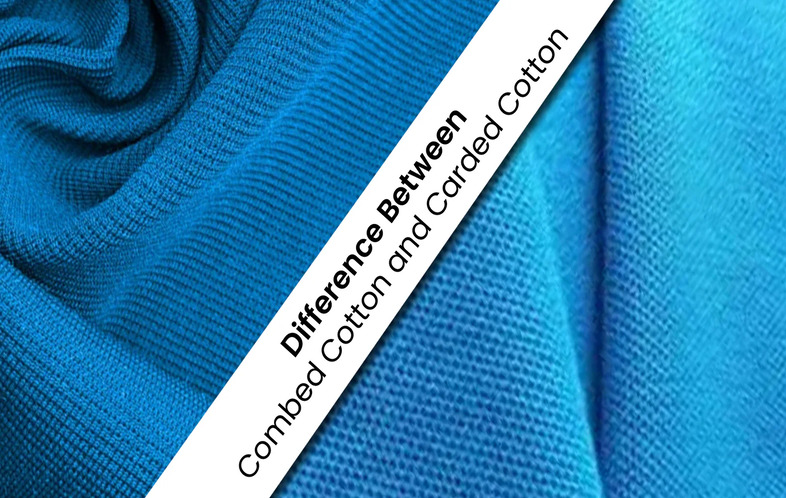
Combed Cotton vs. Carded Cotton: Characteristics, Advantages, and Drawbacks
This article explains the differences between cotton combed and carded, from production processes and textures to their pros and cons. With a clear comparison t...
LEARN MORE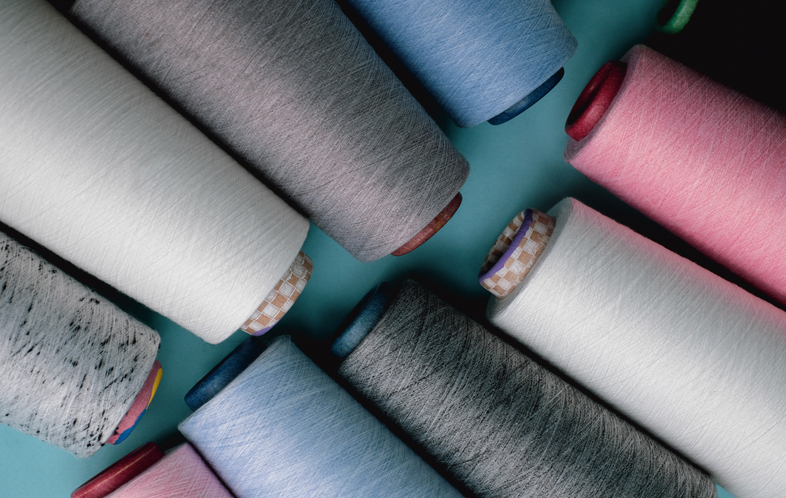
Getting to Know Misty Yarn: Types, Textures, and Uses
Misty yarn is known for its soft texture and unique melange color effect. This article explores its characteristics, types, textures, and uses in the textile in...
LEARN MORE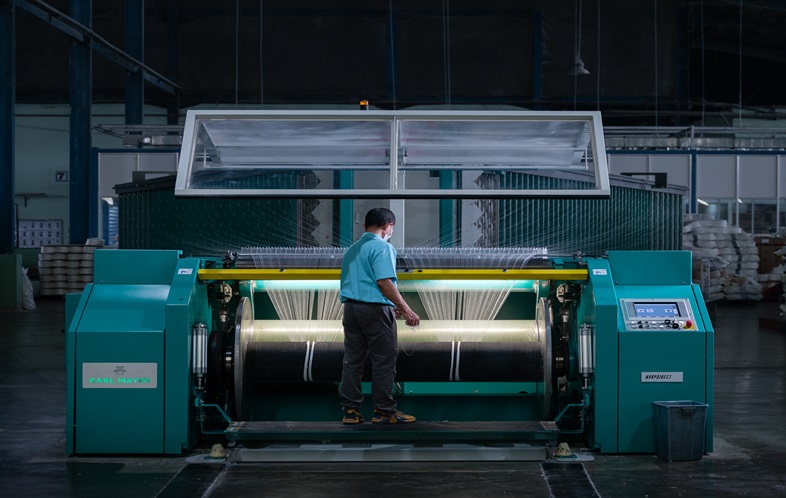
Top 10 Major Export Destinations for Indonesian Woven Fabrics
This article explores the top 10 export destinations for Indonesian woven fabrics in the first half of 2025. With export values reaching tens of millions of USD...
LEARN MORE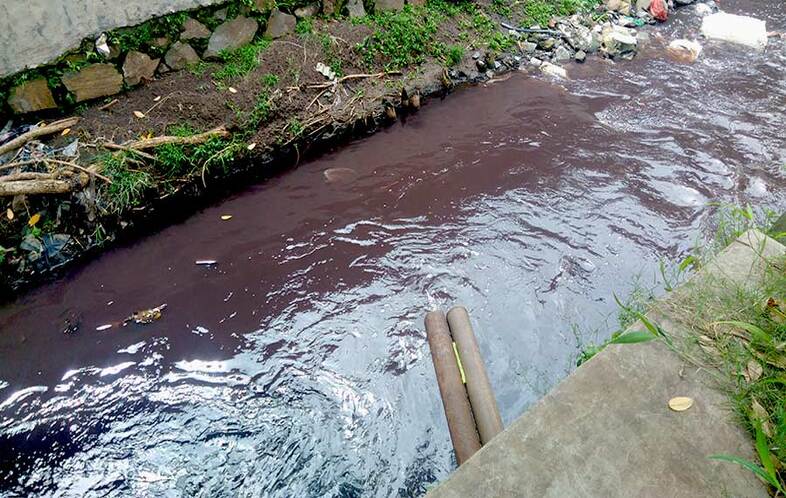
Eco-Friendly Management of Hazardous Waste (B3) for Textile Factories
This article explores the importance of hazardous waste (B3) management in the textile industry, covering identification, storage, and eco-friendly treatment. W...
LEARN MORE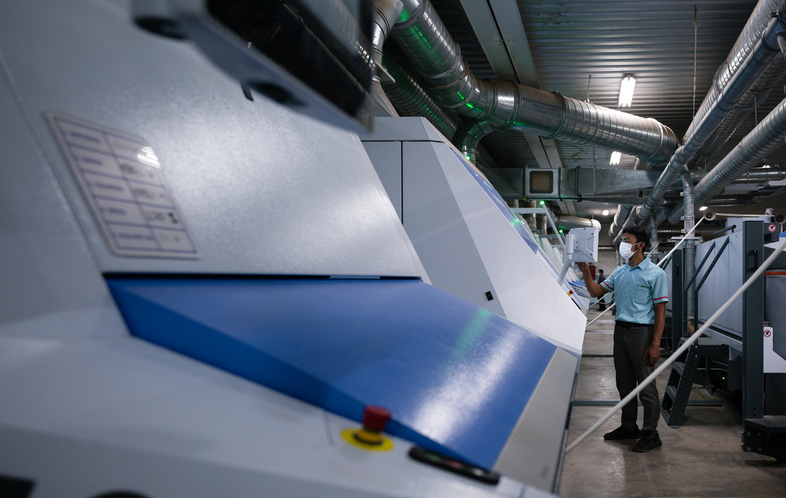
Types of Weaving Machines and How They Work
This article explores the different types of weaving machines, from manual and semi-automatic looms to advanced air jet and water jet systems, along with a conc...
LEARN MORE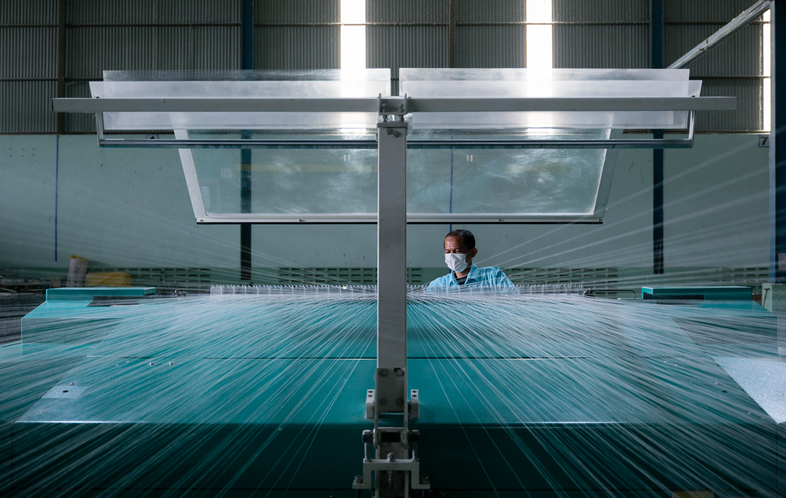
5 Interesting Facts About Woven Fabrics You Probably Didn’t Know
Discover 5 fascinating facts about woven fabric, from its unique production process and diverse types to its cultural value and current industry challenges. Thi...
LEARN MORE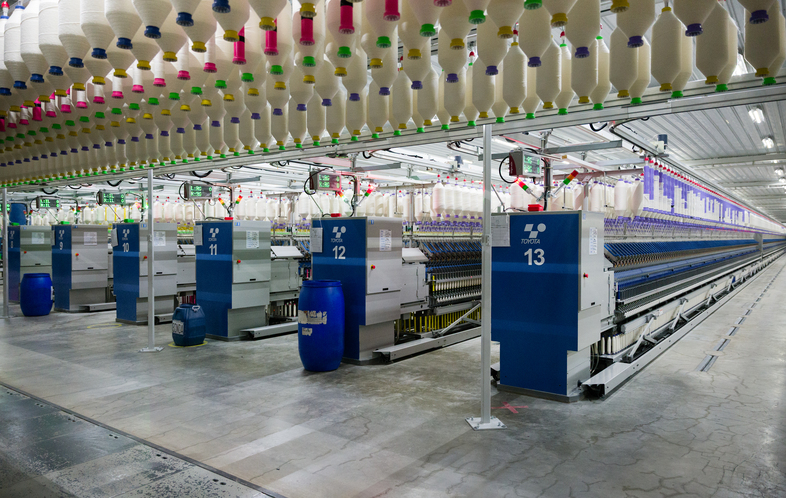
Innovative Use of Majun Spinning in the Modern Textile Industry
Discover how majun spinning drives innovation in today’s textile industry. This article explores its process, key benefits, and practical applications to reduce...
LEARN MORE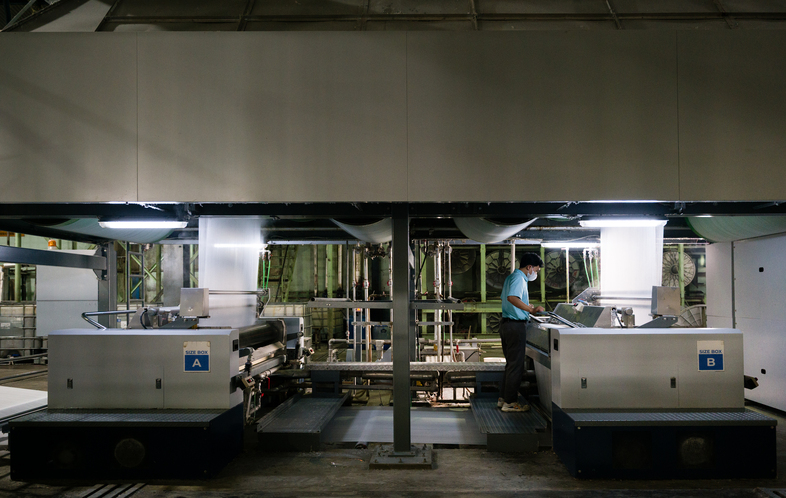
The Importance of ISO 9001 Certification in the Textile Industry
ISO 9001 certification reflects Danar Mas Group’s strong commitment to quality, efficiency, and customer satisfaction. This article highlights the importance of...
LEARN MORE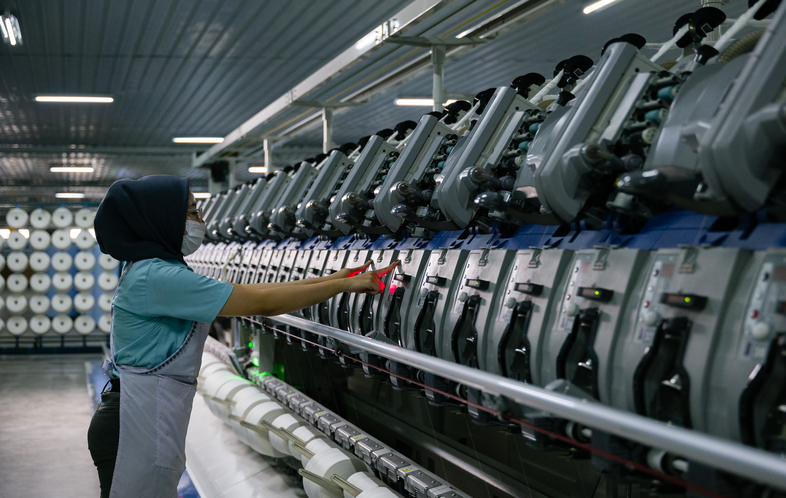
The Benefits of Using MVS Yarn for Weaving and Knitting Machines
Discover the key benefits of using MVS yarn for weaving and knitting machines. From smoother fabric finishes and higher production efficiency to superior durabi...
LEARN MORE
Implementing Textile Production Quality Standards in Global Competition
This article explores the implementation of textile production quality standards to stay competitive in the global market. From fiber and yarn testing using the...
LEARN MORE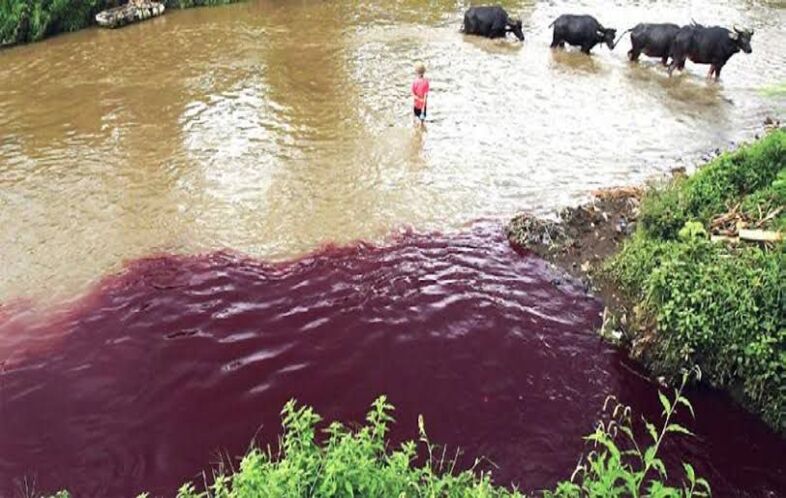
Education and Awareness in Managing Textile Industry Waste
The textile industry drives economic growth but generates significant liquid and solid waste that can harm the environment. This article highlights the importan...
LEARN MORE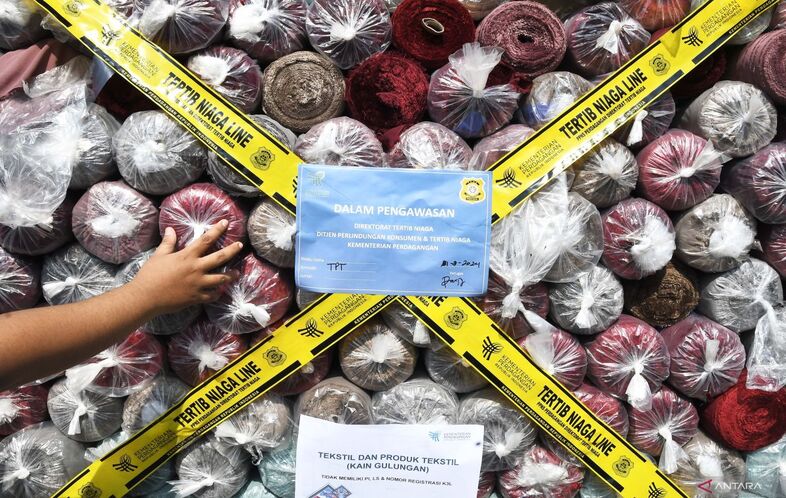
The Threat of Illegal Imports to Indonesia’s Textile Industry and Local Products
Illegal imports pose a growing threat to Indonesia’s textile industry and other local sectors.<br /> Goods that enter without taxes or quality checks are sold...
LEARN MORE
Utilizing Fabric Waste (Majun) to Reduce Textile Waste
Majun, a leftover fabric from textile production, has emerged as a sustainable solution to reduce industrial waste. Made from unprocessed greige fabric, majun i...
LEARN MORE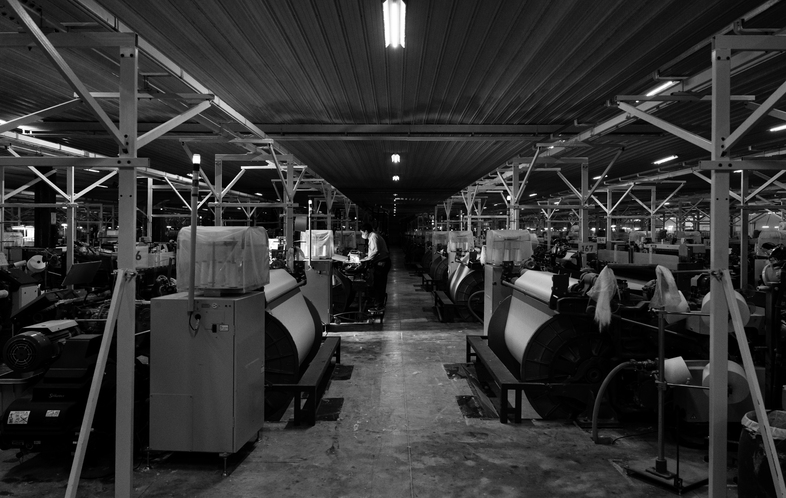
Differences Between TC and TR Woven Fabrics for Fashion Business Needs
TC (Teteron Cotton) and TR (Teteron Rayon) woven fabrics are widely used in the fashion and garment industry, but they differ in fiber composition and character...
LEARN MORE
Digital Innovation Makes the Textile Industry Faster and More Efficient
Digital innovation is transforming the textile industry to be faster, more efficient, and of higher quality. Through automated production machines, sensor-based...
LEARN MORE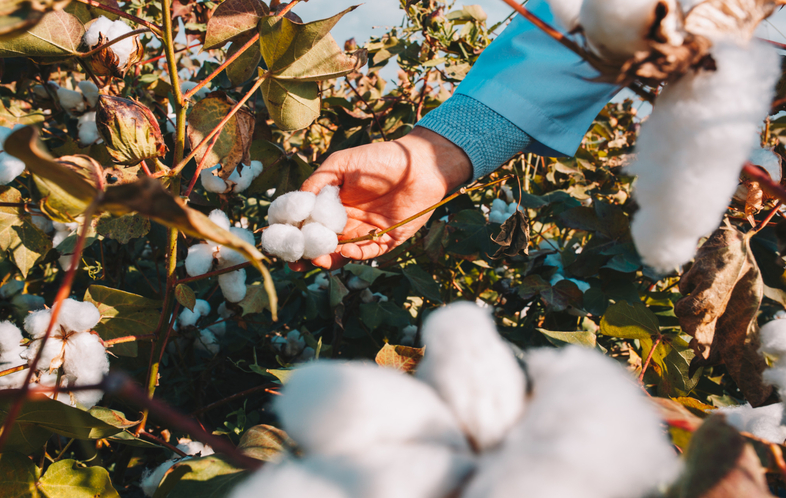
3 Essential Natural Fibers You Need to Know for Textiles & Fashion
Learn about the three main types of natural fibers widely used in the textile and fashion industry: plant-based, animal-based, and mineral-based. This article e...
LEARN MORE
INDI 4.0: Building Digital Readiness in Textile Manufacturing
INDI 4.0 is a digital readiness assessment framework for manufacturing including textile mills. In an era where operational efficiency and production agility de...
LEARN MORE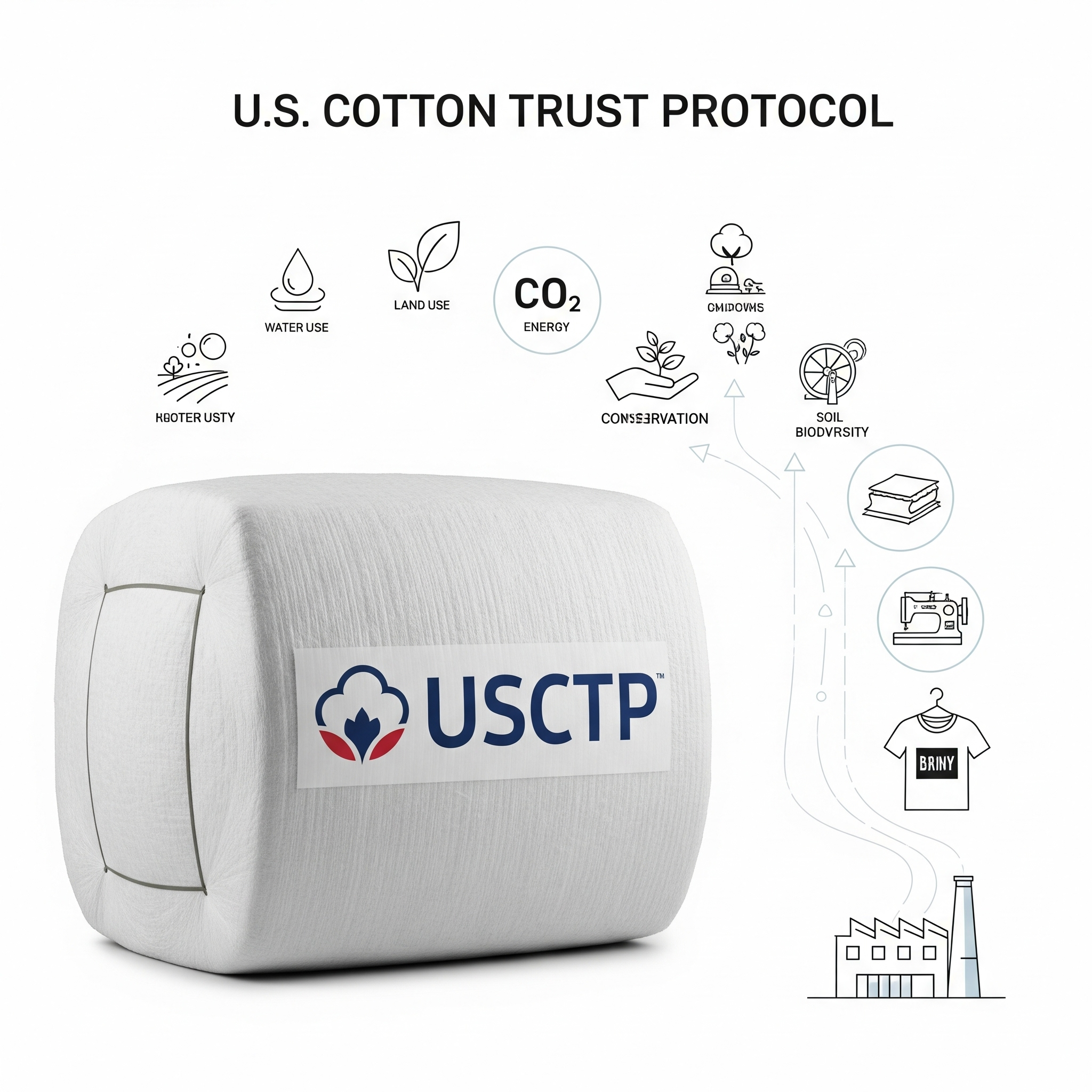
U.S. Cotton Trust Protocol: Bringing Traceability and Sustainable Practices to American Cotton
The U.S. Cotton Trust Protocol is a voluntary program combining sustainability practices with bale level traceability for U.S. cotton. The protocol defines meas...
LEARN MORE
OEKO-TEX Standard 100: Guaranteeing Chemical Safety in Textile Products
OEKO-TEX Standard 100 is a widely respected chemical testing and certification system intended to ensure textile products are safe for skin contact. Brands and...
LEARN MORE
ISO 9001 for Textile Mills: Ensuring Quality ConsistencySO 9001 for Textile Mills: Ensuring Quality Consistency
ISO 9001 is the most widely adopted Quality Management System standard across industries. In textiles, ISO 9001 provides a systematic framework to control proce...
LEARN MORE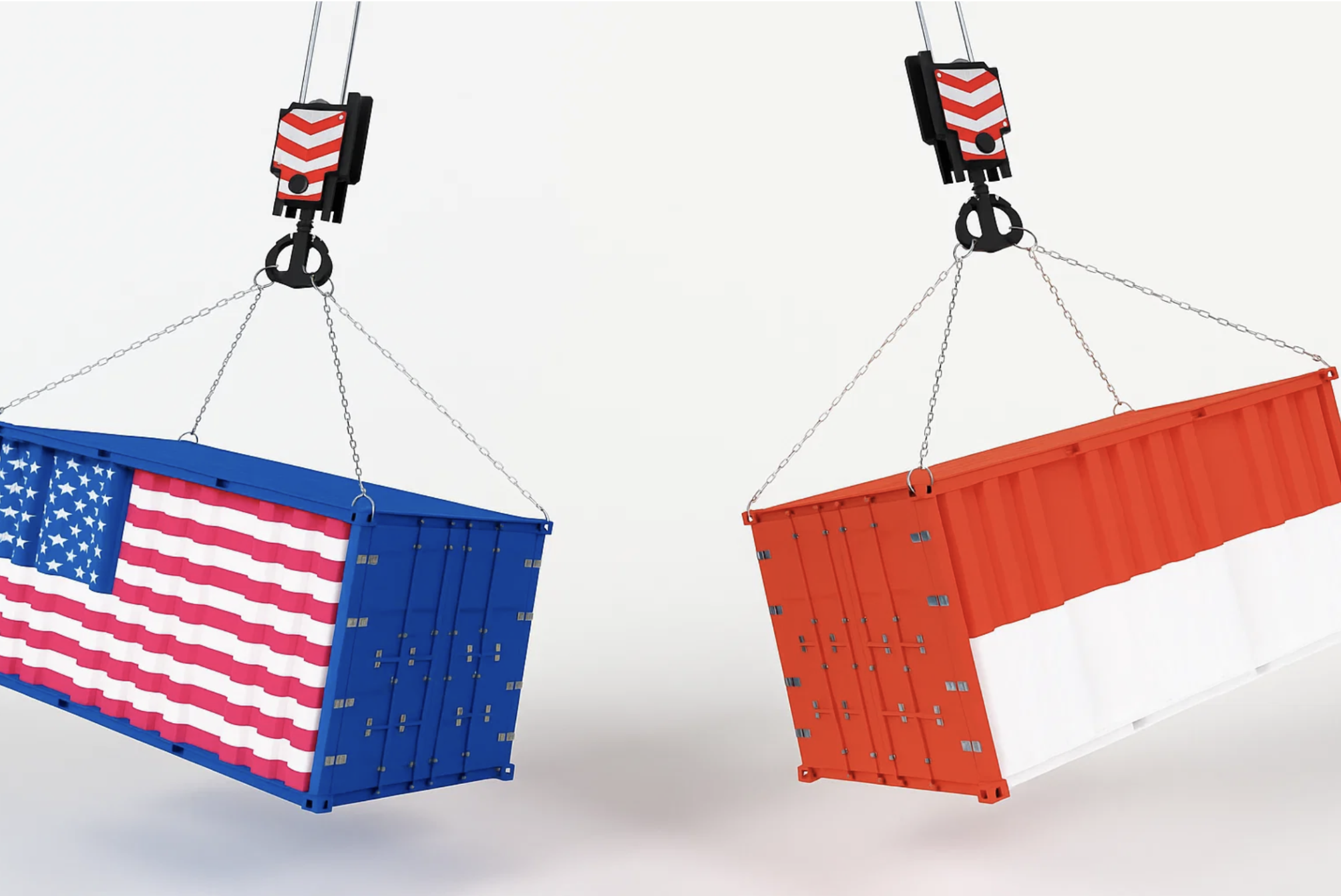
Indonesia’s Textile and Garment Industry Under Pressure: 19% U.S. Tariffs vs. 0% Import Access
Examining the impact of a 19% US tariff on Indonesian textile exports and 0% duty on US imports, with industry reactions and expert insights.
LEARN MORE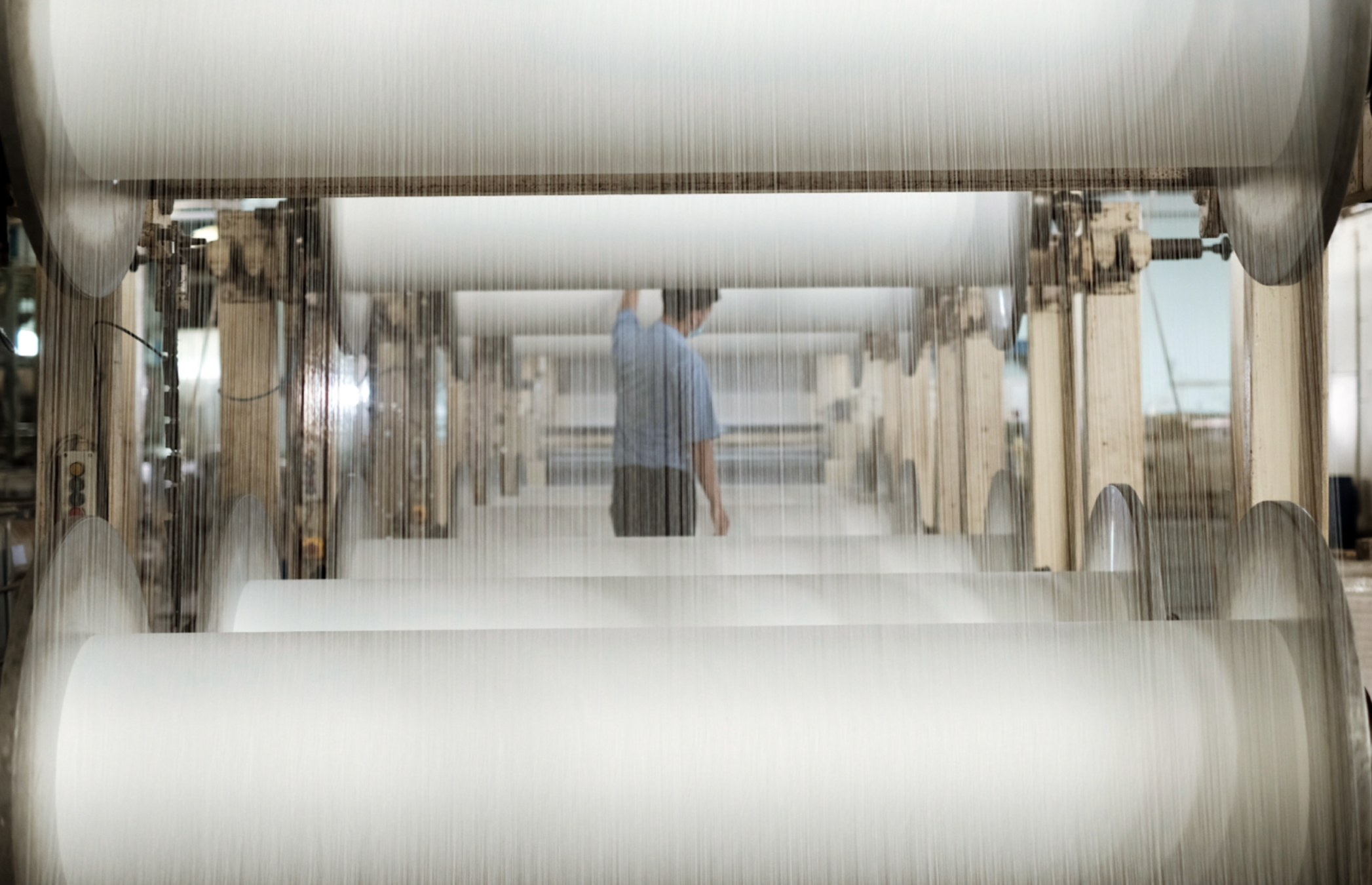
Toward a Sustainable Textile Industry: Import Reforms and Circularity
Exploring urgent import regulation reforms, the fight against “import quota mafia,” and circular textile adoption to build a resilient Indonesian textile sector...
LEARN MORE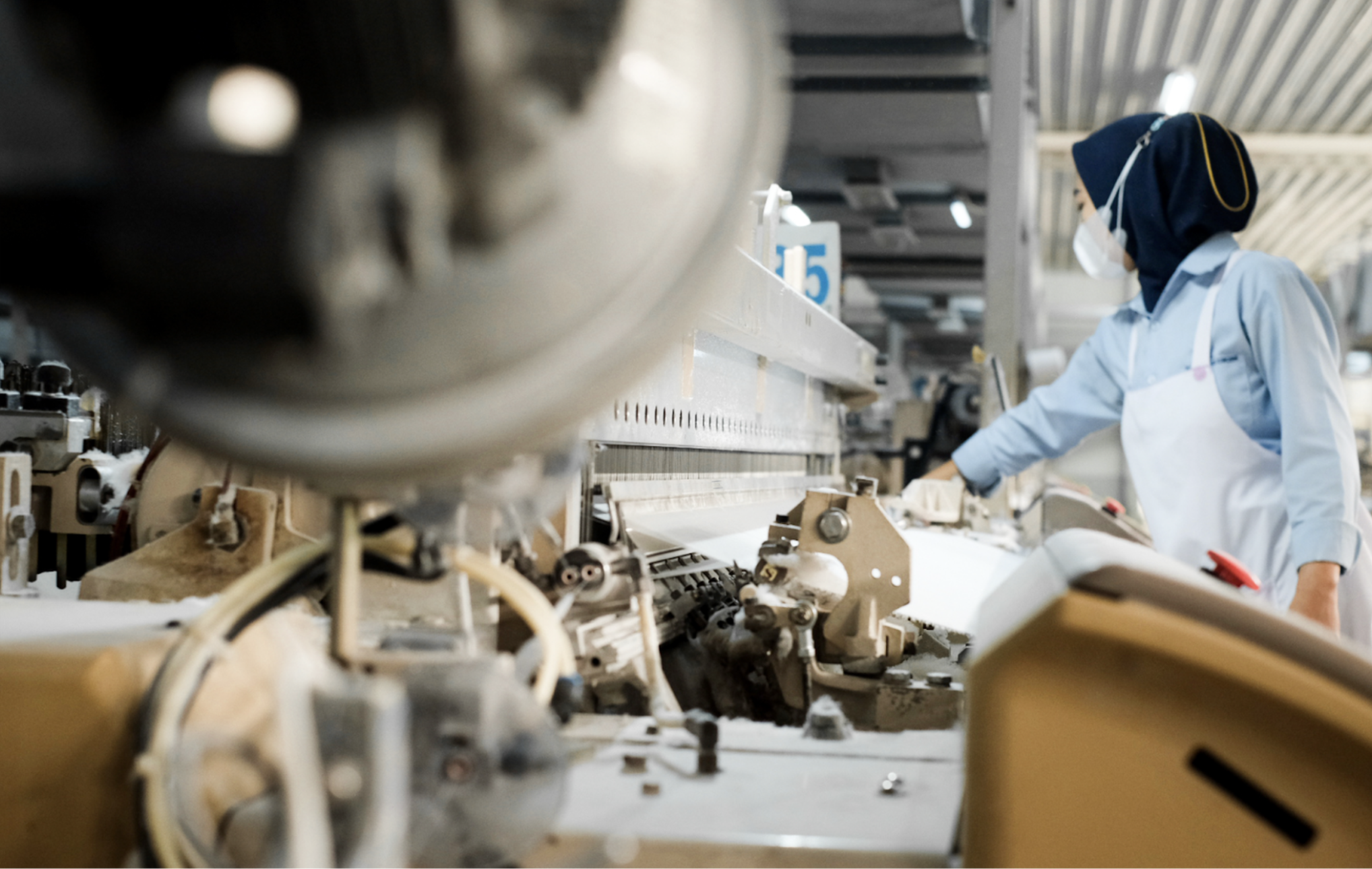
Danarmas Machine Automation: Enhancing Efficiency in Spinning and Winding
A deep dive into Danarmas’s automation technologies, from foreign fiber detectors to an integrated control room, and their impact on yarn quality and production...
LEARN MORE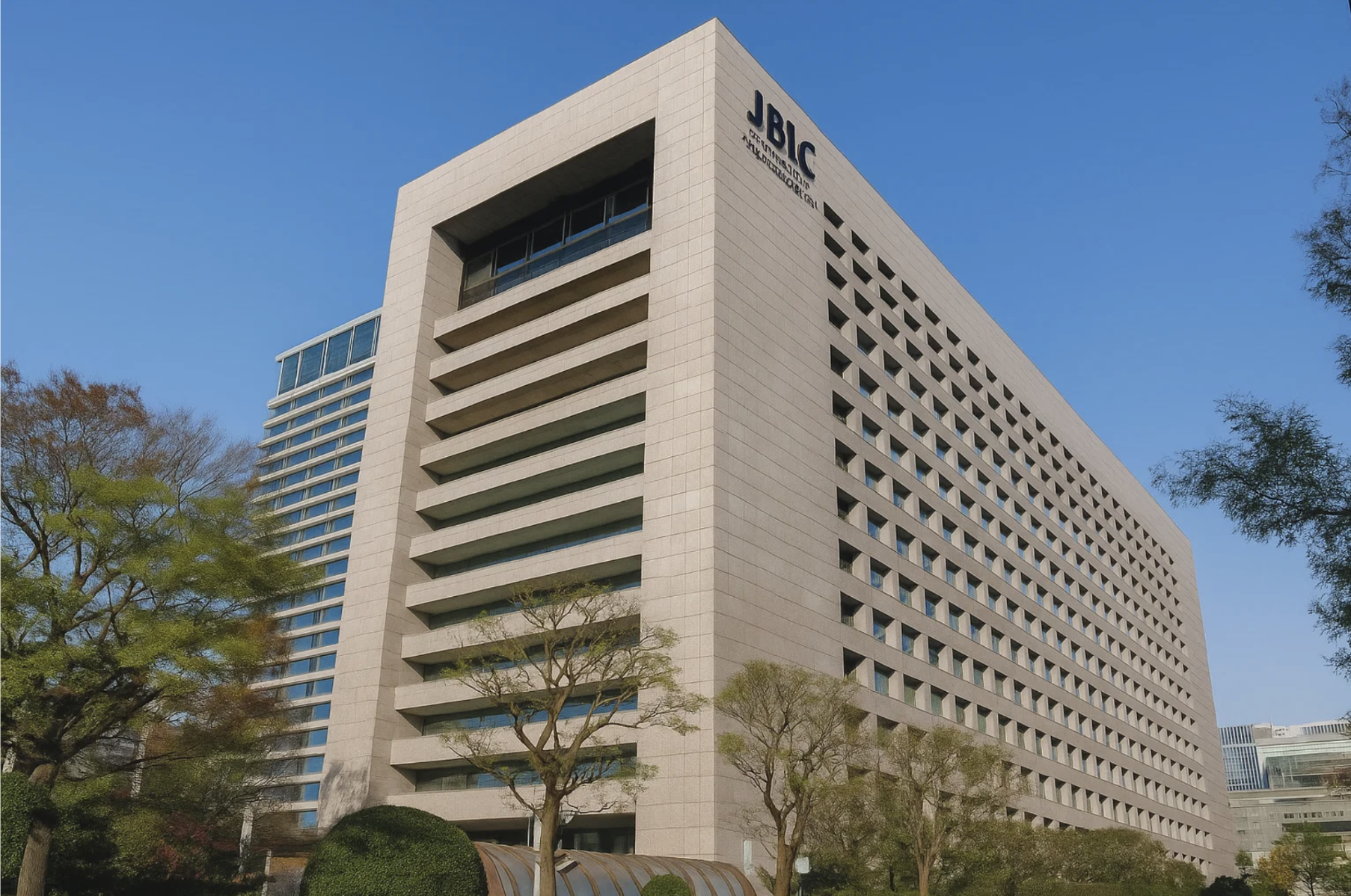
Renewable Energy for Textile Mills: A Bold Step Toward Net Zero
On July 11, 2025, Indonesia’s sovereign wealth fund Danantara and the Japan Bank for International Cooperation signed an MoU to co-finance renewable energy, wat...
LEARN MORE
The Advantages of 100% Combed Compact Cotton from the USA and Australia
USA raw cotton boasts a short, traceable supply chain and undergoes USDA testing for fiber strength, fineness, and contamination levels (barnhardt.net). This en...
LEARN MORE
The Shadow of U.S. Tariffs on Indonesia’s Textile Industry
In April 2025, the US imposed 32–40% tariffs on textile imports, directly affecting 40% of Indonesia’s textile and apparel exports (shenglufashion.com). Indones...
LEARN MORE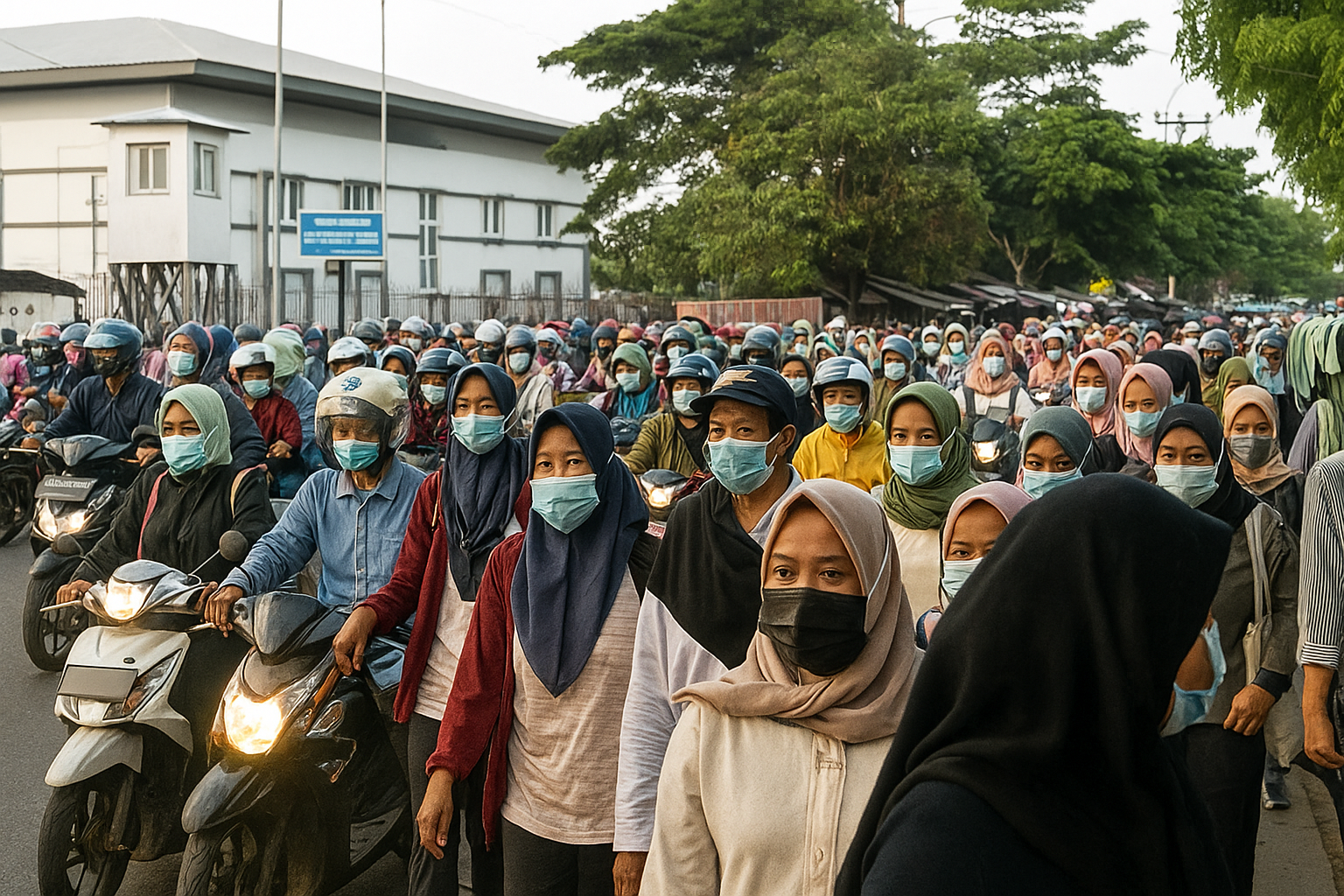
Managing Workforce Uncertainty in the Textile Sector and Opportunities for Spinning Yarn Manufacturers
The textile sector struggles to stabilize its labor force amid demand swings. Hiring freezes often lead to large-scale layoffs shortly after. This unpredictabil...
LEARN MORE
Mass Layoff Trends in the Textile Industry and Their Implications for Spinning Yarn Producers
Since the pandemic, major textile hubs have seen mass layoffs. Fast fashion brands in Europe, garment factories in the US and China have cut thousands of jobs....
LEARN MORE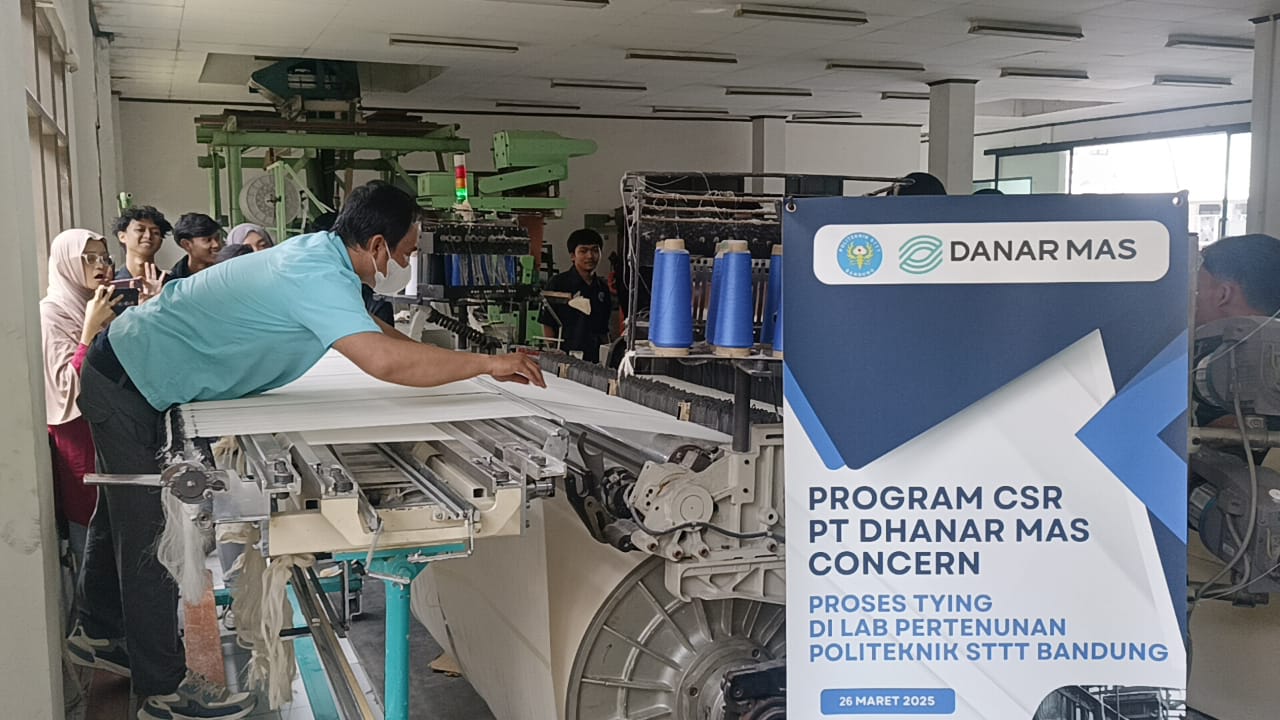
PT Dhanar Mas Concern Carries Out CSR Program at STTT Bandung Polytechnic Through a Tying Process Practice in the Weaving Laboratory
PT Dhanar Mas melakukan program CSR di Politeknik STTT Bandung
LEARN MORE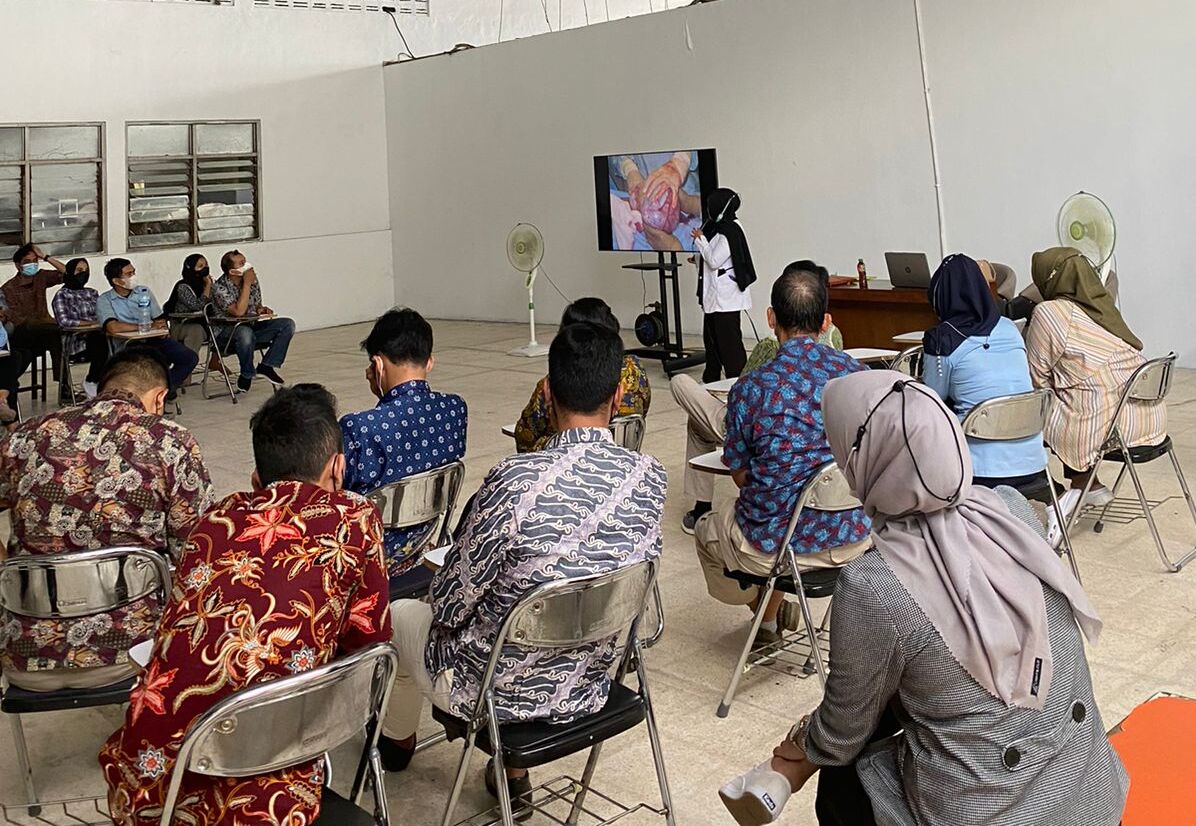
Danar Mas Group Health Education Program
Danar Mas Group carried out Health Education activities with the theme "Early Cancer Prevention" in collaboration with YPKI (Indonesian Cancer Observer Foundati...
LEARN MORE
2023 Blood Donation Activity by Danar Mas Group in Collaboration with Buddha Tzu Chi Bandung and the Bandung Red Cross (PMI)
In February, on 14 February 2023 to be exact, Danar Mas I together with the Bandung Branch of Buddha Tzu Chi and the Indonesian Red Cross (PMI) Bandung City hel...
LEARN MORE
Bandung Customs Award 2022 (PT Silver Kris)
The Bandung Bea Cukai Award is an award in appreciation of the performance of service users in 2022. This year it was held offline and online with the theme of...
LEARN MORE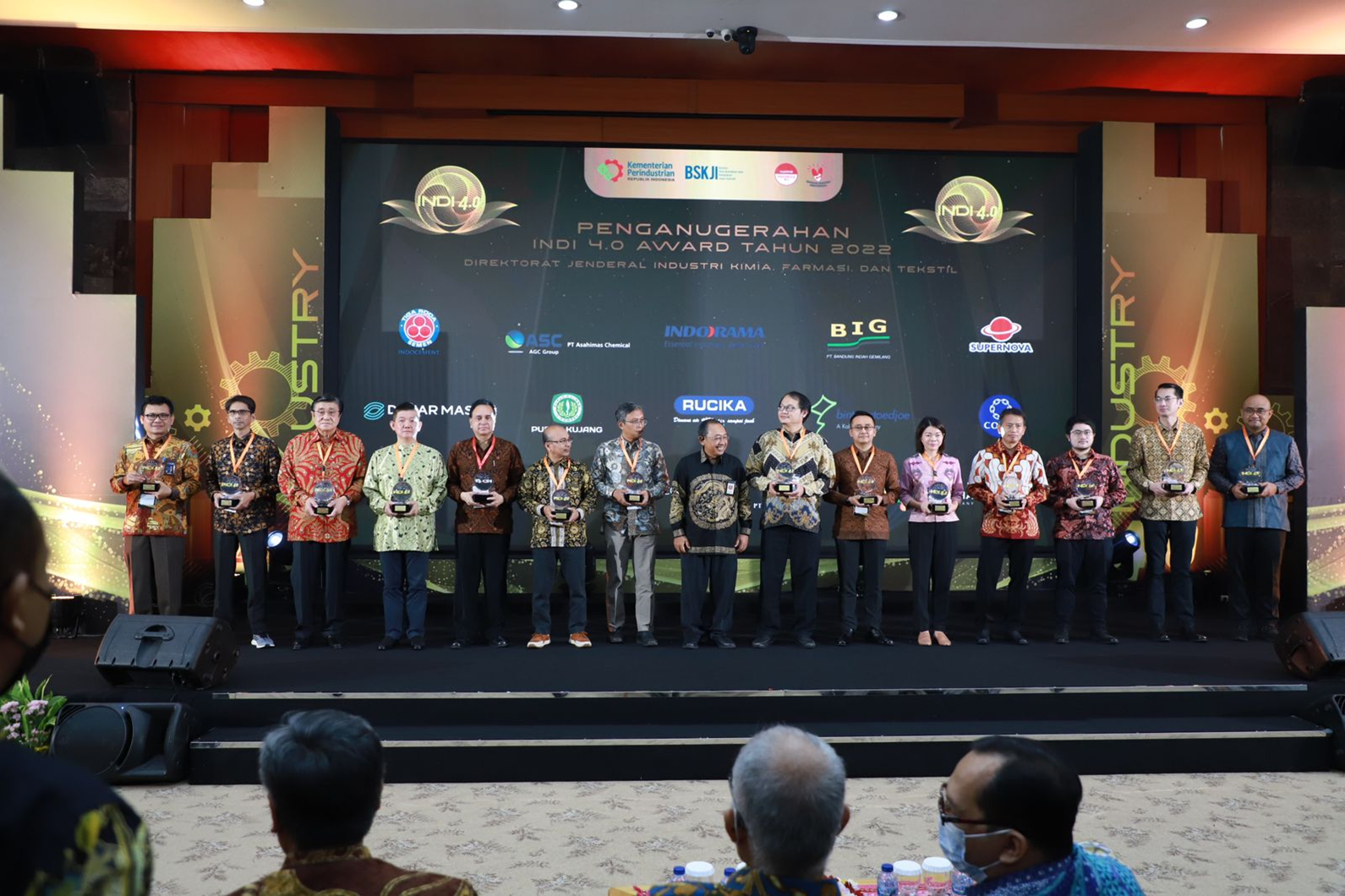
INDI 4.0 Awards 2022 Recognition
PT Danar Mas won the 2022 INDI 4.0 Awards from the Ministry of Industry of the Republic of Indonesia with the application of innovation and manufacturing inform...
LEARN MORE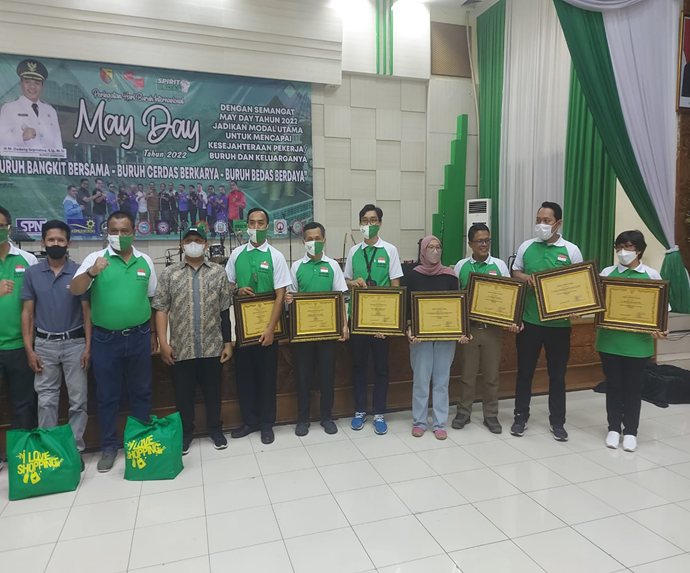
May Day Celebration
In commemoration of National Labor Day, BPJS Ketenagakerjaan together with the Manpower Office held a 2022 May Day commemoration activity in Soreang, Bandung Re...
LEARN MORE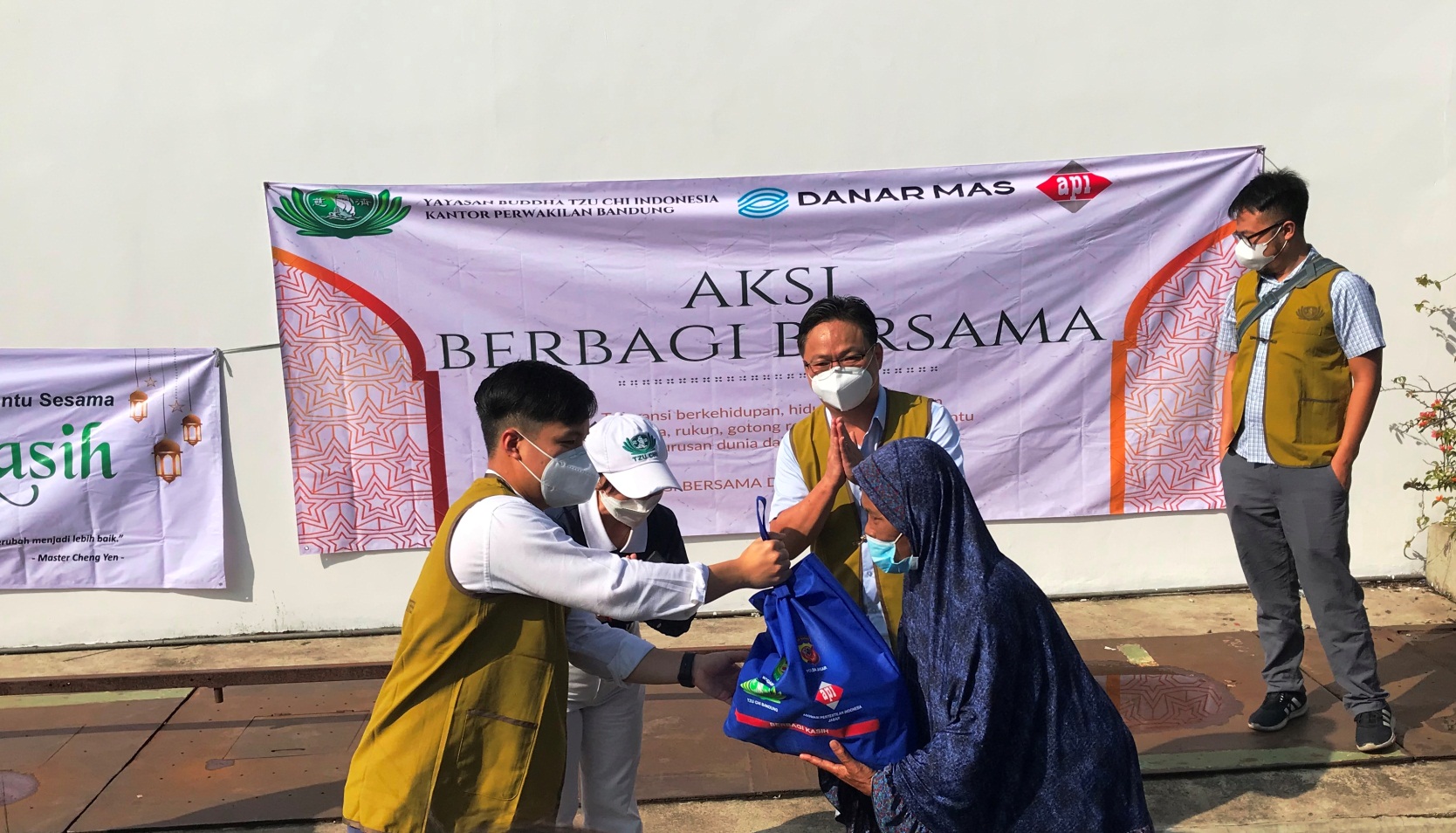
Sharing with Danar Mas Group and Bandung Tzu Chi Buddhist Foundation
Indonesia has entered its second year in dealing with the Covid-19 pandemic, not a few residents have been affected so that many employees have experienced layo...
LEARN MORE