Upcycling or Recycling? The Essential Differences the Textile Industry Must Understand
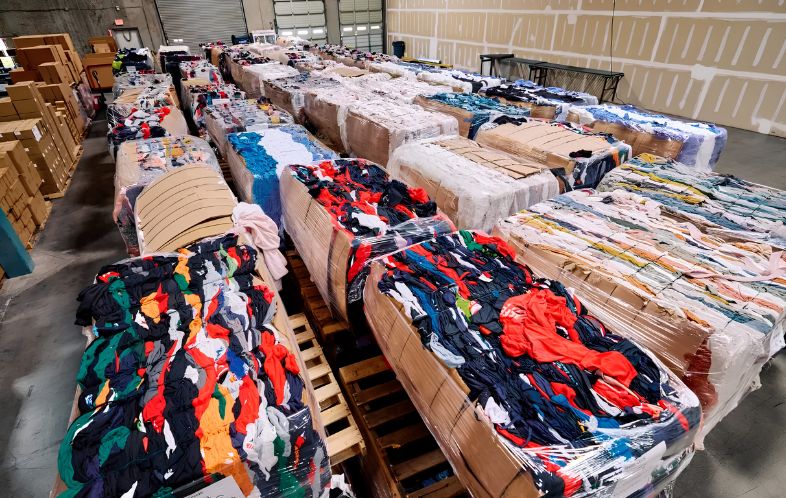
Every year, the textile industry generates millions of tons of waste, posing a significant challenge to the environment. On the other hand, growing awareness of sustainability has led to the increasingly frequent use of the terms "upcycling" and "recycling." Although they sound similar, both involve different processes, goals, and benefits.
Understanding the difference between upcycling and recycling is crucial for textile industry players to choose the right solutions for waste management while supporting more sustainable production practices.
What Is Upcycling in the Textile Industry?
Upcycling is the process of transforming textile products or waste into new products of higher value without destroying the primary material. In other words, the fabric is kept in its original form and then redesigned into a product with a new function or economic value.
Examples of Upcycling Implementation
Some examples of upcycling in the textile industry include:
Transforming production fabric scraps into bags, pouches, or accessories.
Utilizing used jeans to make jackets or tote bags.
Processing leftover fabric into high-value patchwork products.
Because it does not require reprocessing the fibers, upcycling generally consumes less energy and helps extend the lifespan of textile materials.
What Is Recycling in the Textile Industry?
Recycling is the process of converting textile waste into new raw materials through mechanical or chemical processes. Materials that can no longer be reused are shredded or broken down to produce fibers or new materials that can then be manufactured into other textiles.
Types of Recycling in the Textile Industry
In general, textile recycling is divided into two methods:
Mechanical recycling: Shredding fabric into fibers to be respun into new yarn.
Chemical recycling: Breaking down the polymers in synthetic fibers back into raw materials that can be remanufactured with a quality closer to the original material.
This method is widely used to reduce dependency on virgin raw materials while supporting a circular economy.
Read also: 5 Countries with the Best Textile Waste Management in the World, What's Their Secret?
Upcycling vs Recycling: What's the Difference?
Key Differences Between Upcycling and Recycling to Understand
Although both aim to reduce textile waste, there are several fundamental differences between upcycling and recycling.
In upcycling, the material is preserved, making the production process relatively simpler and resulting in value-added products. Meanwhile, recycling transforms the material into new raw materials through a more complex industrial process, making it suitable for textile waste that can no longer be reused.
In short:
Upcycling focuses on reusing materials that are still in good condition.
Recycling focuses on processing materials into new raw materials.
Which One Is Better for the Textile Industry?
Choose According to Material Condition and Production Goals
There is no absolute answer to whether upcycling or recycling is better. Both play complementary roles.
If the fabric is still of good quality, upcycling can be an excellent choice as it reduces energy consumption while boosting the product's value. Conversely, if the material is already damaged or impossible to reuse, recycling becomes the more effective solution to ensure the fibers can still be utilized.
Many modern textile companies even combine both approaches as part of their sustainability strategy. This way, production waste can be minimized, resource efficiency increases, and emission reduction targets are easier to achieve.
Why is Understanding Upcycling and Recycling Increasingly Important?
The Textile Industry is Moving Toward Sustainable Production
Global regulations, rising consumer demand for eco-friendly products, and technological advancements are driving the textile industry to adopt more sustainable practices. Understanding the difference between upcycling and recycling helps industry players determine the right waste management strategy while creating a production process that is more efficient and environmentally responsible.
As technology advances and sustainability awareness grows, upcycling and recycling are expected to remain vital parts of the textile industry's transformation. In your opinion, which approach holds the greatest potential for reducing textile waste in the future?