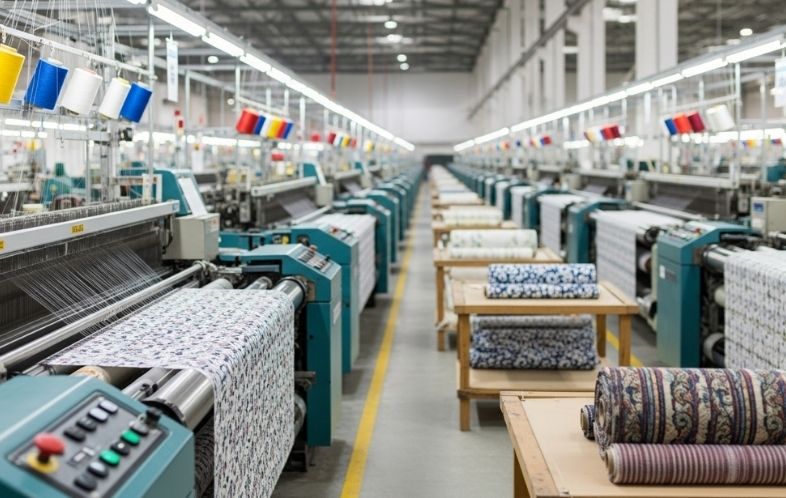
2026 Textile Industry Trends: What Is Changing in the Global Market?
The textile industry continues to evolve in line with changing consumer demands, technological advancements, and the push for more responsible production processes. Entering 2026, these changes are becoming increasingly apparent: the market is no longer just looking for high-quality fabrics, but is also starting to consider where the materials come from, how they are processed, and how transparent the supply chain is. For those operating in the textile sector, understanding the 2026 textile industry trends is essential to navigating where the global market is headed. So, what key shifts should you pay attention to?
1. Sustainability Is Increasingly Becoming a Primary Consideration
Sustainability is no longer just an added value. In the global textile industry, sustainable practices are tied to how manufacturers select raw materials and demonstrate their origin.
From raw materials to traceability
Recent data from Textile Exchange shows that global fiber production reached approximately 132 million tonnes in 2024, up from 125 million tonnes in 2023. At the same time, 34% of global cotton production came from certified sources. This development indicates that material selection and the credibility of raw material sources are becoming critical. As a result, textile traceability, responsible sourcing, and certifications are increasingly relevant across the textile supply chain. In Europe, this direction is further reinforced by the implementation of the Ecodesign for Sustainable Products Regulation (ESPR), which prioritizes textiles and introduces the Digital Product Passport to improve access to product material and sustainability data.
2. Natural Fibers Retain Their Place in the Market
Amid the rise of new synthetic and innovative materials, natural fibers like cotton remain a vital part of the global textile market.
Cotton and more responsible sourcing
Cotton remains the second most produced fiber globally after polyester, accounting for roughly a 19% share in 2024. This means discussions around cotton are no longer just about fiber characteristics, but also about how cotton is grown and traced. For textile manufacturers, sourcing raw materials that comply with clear standards and certifications can be a crucial step toward meeting the demands of an increasingly eco-conscious market.
Read also: Cotton Combed vs Carded: Which One Is Right for Your Product?
3. Recycled Fibers Are Growing, but Real Challenges Remain
The 2026 textile trends cannot be separated from circularity and the adoption of recycled fibers. However, scaling these developments globally presents ongoing hurdles.
Toward a circular textile industry
In 2024, recycled fibers accounted for around 7.6% of total global fiber production. Remarkably, less than 1% originated from recycled textile-to-textile processes, while the majority of recycled polyester was still derived from plastic bottles. These figures show that the journey toward a truly circular textile industry is still long. Manufacturers, suppliers, and brands must view recycling not merely as a temporary trend, but as a core component of a more integrated supply chain.
4. Increasing Focus on Textile Quality and Functionality
Beyond sustainability, market demands are shifting toward textiles that offer specific performance features and enhanced functional capabilities.
From standard fabrics to functional textiles
The growth of functional textiles highlights that fabrics are increasingly required to provide added value—such as superior comfort, durability, moisture management, or specific performance characteristics tailored to end-user needs. This shift naturally elevates the importance of fiber, yarn, and fabric quality. For manufacturers, maintaining consistency throughout the production process is essential to meet diverse market specifications.
What Does This Mean for the Textile Industry?
These four developments show that the 2026 textile industry trends extend beyond new materials or design aesthetics. The global market is transitioning toward an industry that is more responsible, traceable, high-performing, and adaptive. We believe that recognizing these shifts early can help you identify opportunities and take the right strategic steps to navigate the evolving global textile landscape.
From sustainability to functional textiles, which trend is most relevant to your business needs right now?