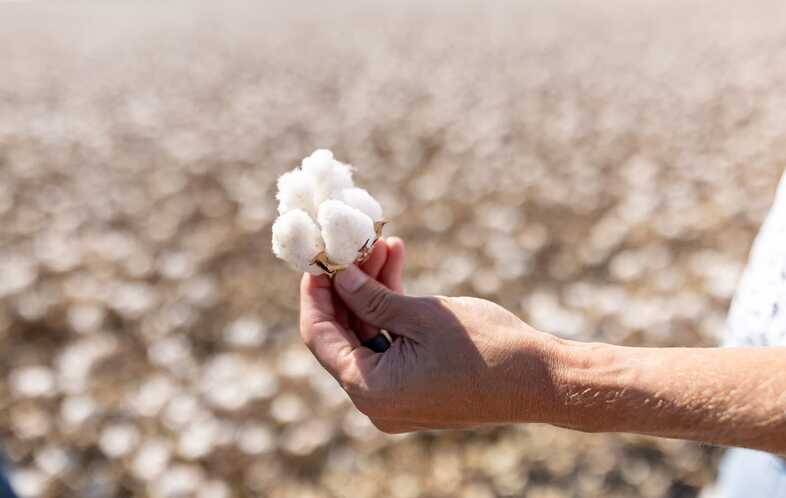
Understanding Better Cotton (BCI) Certification, the Sustainability Standard Sought by Global Brands
As sustainability continues to become a major focus in the textile industry, global buyers are no longer looking only at product quality and pricing. Supply chain transparency, responsible production practices, and sustainability certifications have become important factors in choosing business partners. One of the most recognized standards today is Better Cotton, formerly known as the Better Cotton Initiative (BCI).
What Is Better Cotton (BCI) Certification?
A Sustainability Standard for the Cotton and Textile Industry
Better Cotton is a global organization that promotes more sustainable and responsible cotton production. This standard focuses on improving cotton farming practices from environmental, social, and economic perspectives.
Through the Better Cotton system, cotton farmers are encouraged to:
- Reduce water usage and harmful pesticides
- Maintain soil health
- Improve workers’ welfare
- Implement safer and fairer working practices
Today, Better Cotton has also strengthened its certification and supply chain traceability systems to improve transparency across the global textile industry.
Why Is Better Cotton Certification Important for Textile Manufacturers?
Global Buyers Are Becoming More Selective About Suppliers
Many international brands now have ESG (Environmental, Social, Governance) and sustainable sourcing targets. As a result, they tend to choose textile suppliers with clear sustainability standards.
In practice, Better Cotton certification has become one of the indicators that a company is committed to a more responsible supply chain. This can help increase customer trust and create greater opportunities to work with global buyers.
Many retailers and international brands have also started requiring their suppliers to be registered under the Better Cotton Chain of Custody (CoC) system.
Improving Company Credibility and Competitiveness
For textile manufacturers, having certification or participating in the Better Cotton system is not simply about following industry trends. It can also become added value in strengthening the company’s reputation.
In today’s increasingly competitive textile industry, buyers place greater trust in suppliers that:
- Have clear sustainability standards
- Can maintain product traceability
- Follow international standards
For this reason, Better Cotton certification is often viewed as a company’s commitment to quality, transparency, and long-term business sustainability.\
Read also: More Than Just a Certification: The Benefits of U.S. Cotton Trust Protocol for Textile Manufacturers
How Does the Better Cotton System Work in the Textile Industry?
Using the Chain of Custody (CoC) System
Better Cotton uses a Chain of Custody (CoC) system to help track cotton materials throughout the textile supply chain. This system connects farmers, traders, spinning mills, fabric mills, brands, and retailers.
Over time, Better Cotton has also improved its traceability system to help buyers identify the origin of the cotton being used.
Not Only for Cotton Farmers
Many people assume that Better Cotton only applies to cotton farmers. In fact, suppliers and manufacturers such as spinning mills and textile factories can also become part of the Better Cotton system through the Chain of Custody standard.
This means textile companies play an important role in maintaining transparency and sustainability within the global cotton supply chain.
Core Principles of Better Cotton (BCI) Certification
The 6 Principles Behind Better Cotton
In its implementation, Better Cotton is built upon six core principles that guide sustainability practices in the cotton and textile industry:
1. Management
Encouraging more structured, efficient, and responsible production management systems.
2. Natural Resources
Focusing on soil protection, efficient water usage, and preserving environmental biodiversity.
3. Crop Protection
Reducing the use of harmful pesticides and implementing safer, more sustainable crop protection methods.
4. Fibre Quality
Maintaining cotton quality to meet global textile industry standards.
5. Decent Work
Supporting safe, fair working conditions while respecting workers’ rights.
6. Sustainable Livelihoods
Helping improve the long-term welfare of farmers and local communities.
These six principles are among the reasons why Better Cotton certification is increasingly trusted by global buyers as a sustainability standard within the modern textile supply chain.
As a textile company committed to quality and sustainability, Danar Mas Group has also obtained Better Cotton Initiative (BCI) certification as part of our commitment to supporting a more responsible and trusted textile supply chain.
For premium textile products with maintained quality and sustainability standards, please contact the Danar Mas Group team.