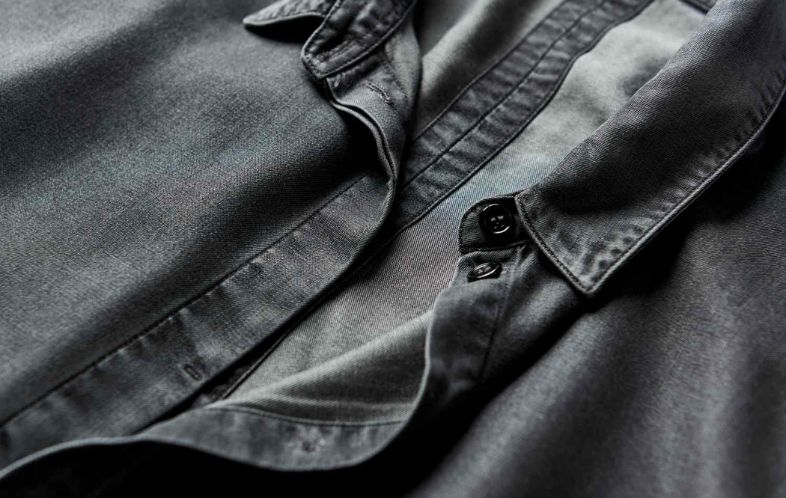
TENCEL™ Prospects for 2026: Business Opportunities Behind the Sustainable Fabric Trend
Why are major fashion brands suddenly racing to include "TENCEL™" on their product labels? Well, this isn't just a passing trend—there's a solid business reason behind it. So, how large is the actual business opportunity hidden within this sustainable fabric movement? Check out the full details below.
What Is TENCEL™ and Why Is Its Name Spreading So Quickly?
TENCEL™ is Lenzing’s trademark brand for lyocell and modal fibers—two types of cellulosic fibers processed from wood pulp. It isn't exactly a new material, but its popularity keeps climbing as more fashion brands seek to present a greener profile without sacrificing product quality.
The Production Process as the Main Selling Point
One reason TENCEL™ draws so much attention is its closed-loop production process. This means the vast majority of chemical solvents used can be recycled back into the production cycle. Consequently, its environmental footprint is significantly lower than synthetic fibers or even conventional cotton, which is notoriously water-intensive.
Beyond Being Eco-Friendly
Beyond sustainability, TENCEL™ offers outstanding wearing comfort. It features a soft texture, excellent moisture absorption, and is suitable for various skin types, including sensitive skin. Unsurprisingly, the apparel segment dominates the TENCEL™ market, contributing more than half of its total global revenue (51.7%). This confirms that wearer comfort remains the primary reason people choose this fabric, rather than environmental concerns alone.
Why People (and Brands) Fall in Love with TENCEL™
The sustainable fashion trend is no longer a mere marketing gimmick. Consumers, especially younger generations, now carefully evaluate the origin of materials before making fashion purchases. Data supports this shift: according to research from Future Market Report, the global TENCEL™ fiber market was valued at USD 2,700.75 million in 2025 and is projected to reach USD 4,850.40 million by 2033, growing at a CAGR of 7.59%—a solid trajectory for the textile raw material category. This is precisely where TENCEL™ finds its spotlight.
From Fashion to the Medical Field
Interestingly, interest in TENCEL™ extends beyond the fashion industry. The medical sector and healthcare products are turning toward this fiber for items that need to be gentle on the skin while remaining biodegradable, such as masks or single-use health supplies. In fact, the medical application segment is recorded as one of the fastest-growing categories across the lyocell market, with an estimated annual expansion rate exceeding 9%. This unlocks a new market segment rarely targeted by sustainable fiber producers in the past.
Strong Backing from Major Manufacturers
Lenzing, as the brand owner of TENCEL™, continues to expand its production capacity while collaborating with textile machinery manufacturers to create new innovations—ranging from denim-like textures to stretch fabrics without synthetic additions. This strategy reflects strong industry confidence that demand for TENCEL™ will continue to grow, rather than remain a seasonal trend.
Read also: Tencel Lyocell vs Tencel Modal: What's the Difference and Which Is More Comfortable?
TENCEL™ Prospects for 2026: Opportunities Worth Business Attention
For those operating in fashion, textiles, or healthcare products, the 2026 outlook for TENCEL™ deserves a prime spot on your strategic radar. The sustainability trend is expected to strengthen further rather than slow down, driven by rising regulations and consumer preferences shifting toward eco-friendly products.
Opportunities in the Asian Market, Including Indonesia
The Asia-Pacific region stands as one of the primary growth centers for this sustainable fiber industry, holding the title of the fastest-growing region and accounting for over 40% of the global market share, with China leading as the single largest contributor (around one-quarter of the global market). Indonesia occupies an intriguing position here, hosting Lenzing’s Purwakarta plant—one of the world's largest wood-based fiber production facilities, capable of producing hundreds of thousands of tons annually. This scale of production opens doors for local textile players to collaborate and source raw materials much closer to home.
Challenges to Keep in Mind
Despite the positive outlook, several challenges warrant attention, including fluctuations in wood pulp raw material prices and the emergence of alternative lyocell producers. Nevertheless, strong brand recognition and consistent product quality give TENCEL™ a resilient position amidst increasing competition.
Sustainable fabric trends like TENCEL™ are more than just discussions; they represent a firm, growing direction for the textile industry.
What are your thoughts—is your business ready to take part in this trend?