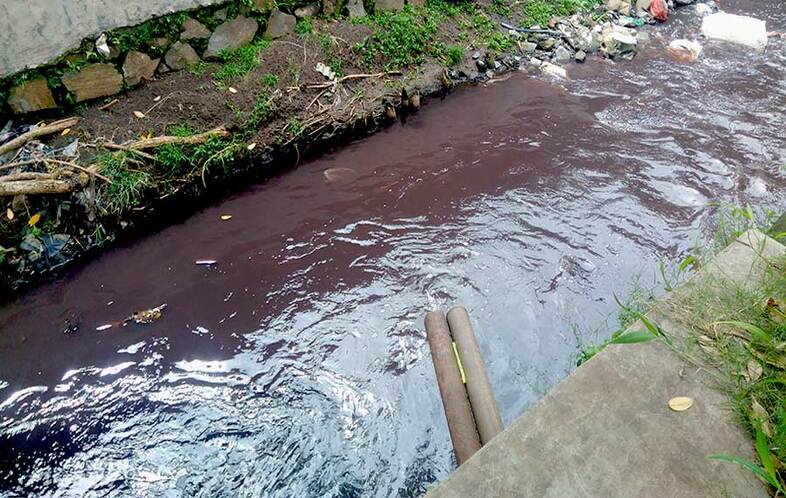
Eco-Friendly Management of Hazardous Waste (B3) for Textile Factories
Imagine if hazardous wastewater from a textile factory were left untreated—environmental pollution would spread, public health would be at risk, and a company’s reputation could be severely damaged.
Amid growing production demands, hazardous waste (B3) management has become a crucial factor for textile factories to ensure sustainable operations.
We believe that real actions to protect the planet can go hand in hand with the growth of your business.
Why Hazardous Waste (B3) Management Matters
The Impact of B3 Waste on the Environment and Health
B3 waste from the textile industry—such as residual dyes, solvents, and finishing materials—can contaminate water and soil if not properly treated. Long-term exposure may disrupt aquatic ecosystems and harm surrounding communities.
Legal Responsibilities and Corporate Reputation
The Indonesian government requires every textile factory to implement clear procedures for hazardous waste management, as highlighted by Universitas Airlangga. Compliance not only prevents sanctions but also builds a reputation as an environmentally responsible company—something highly valued by both business partners and consumers.
Stages of Hazardous Waste (B3) Management in the Textile Industry
1. Waste Identification and Classification
The first step is identifying the types of hazardous waste generated, such as sludge from dyeing processes or leftover solvent liquids. Proper mapping allows factories to select the most suitable handling method.
2. Safe Temporary Storage
After identification, B3 waste must be stored in designated areas with sealed containers and clear labeling. Safe temporary storage prevents leakage and ensures smoother transfer to the next stage.
3. Transportation and Treatment
Textile factories may collaborate with licensed third parties to transport and process the waste. Methods such as incineration, stabilization, or biological treatment are commonly applied depending on the type of waste.
4. Monitoring and Reporting
Every process should be documented regularly. Reports not only fulfill regulatory requirements but also help factories evaluate the effectiveness of their hazardous waste management system.
Eco-Friendly Strategies That Can Be Applied
Using Safer Chemicals
Replacing harmful chemicals with eco-friendly alternatives is a long-term investment. For instance, water-based dyes produce less toxic waste.
Wastewater Recycling
According to Sucofindo, recycling systems allow wastewater from production processes to be reused after filtration, reducing liquid waste and lowering operational costs.
Clean Production Practices
The clean production concept emphasizes efficiency in raw materials and energy, reducing hazardous waste right from the start. We can help you design production processes that are energy-efficient while minimizing waste.
Business Benefits of Hazardous Waste (B3) Management
Cost Efficiency
Although it may appear as an additional expense, proper waste management actually lowers long-term costs: preventing fines, maintaining equipment, and avoiding costly environmental damage.
Global Competitiveness
International clients increasingly demand eco-friendly standards. Textile factories with strong hazardous waste management practices gain easier access to export markets and collaborations with global brands.
Positive Reputation
Environmental responsibility enhances consumer trust. A positive reputation is an invaluable asset that cannot easily be replaced by marketing alone.
Hazardous waste (B3) management in the textile industry is not just an obligation—it is also a valuable opportunity to build a sustainable and environmentally responsible business. By taking the right steps—identification, storage, treatment, and monitoring—textile factories can minimize risks, reduce costs, and strengthen customer trust.
Let us move forward together toward a cleaner and more responsible textile industry. For further information or collaboration opportunities, please contact our team.