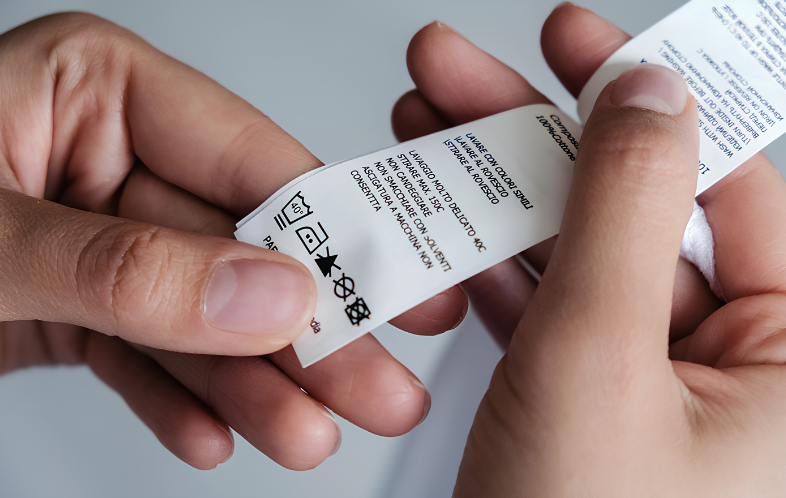
Types of Care Labels on Clothing and How to Choose the Right One
Every textile product is designed to be used for a long period of time. However, fabric quality is determined not only by its production process, but also by how it is cared for. This is where care labels play an essential role as a guide that helps users properly care for their clothing while maintaining optimal product quality.
What Is a Care Label?
The Function of Care Labels on Textile Products
A care label is a clothing care tag containing information on how to wash, dry, iron, and provide special care for a textile product. Generally, these labels use international symbols so they can be easily understood by consumers in various countries.
The presence of a care label helps minimize the risk of damage caused by improper care procedures. Additionally, this label adds value to the product by demonstrating that the manufacturer pays attention to quality up to the end-user stage.
Types of Care Labels on Clothing
Woven Label
Woven labels are made by weaving threads so that the information or logo becomes part of the label's fabric structure. This type is known for being strong, durable, and providing a premium look. Woven labels are generally used for clothing branding, but can also incorporate care information.
Printed Care Label
Printed care labels use a printing process on materials such as satin, nylon, or polyester. This type is a popular choice because it can display comprehensive information—ranging from washing symbols, material composition, to garment sizes—with clear and easy-to-read results.
Read also: Global Cotton Yarn Market 2026: Market Value, Trends, and Opportunities for the Textile Industry
Heat Transfer Label
Unlike sewn-in labels, heat transfer labels are applied using heat so they fuse with the surface of the fabric. Because they do not have seams or stitching, these labels feel much more comfortable against the skin and are widely applied to sportswear, underwear, and activewear.
RFID Label
As technology continues to evolve, some manufacturers have begun utilizing RFID (Radio Frequency Identification) on clothing labels. In addition to containing product information, RFID facilitates inventory tracking, distribution, and inventory management, making it more efficient for large-scale textile industries.
How to Choose the Right Care Label
Match with Product Type
Not all products require the same type of label. For example, premium clothing more frequently uses woven labels to enhance an exclusive feel, while sportswear is better suited for heat transfer labels that feel comfortable on the skin.
Consider Label Durability
A care label should remain legible even after repeated washes. Therefore, it is important to select materials and printing methods that are resistant to water, detergent, and heat so the information does not fade quickly.
Ensure Information Is Easy to Understand
Beyond choosing the label type, make sure the information provided is complete and clear. Using care label symbols that follow international standards will make it easier for consumers to understand care instructions without relying on a specific language.
Why Are Care Labels Important in the Textile Industry?
Care labels are not merely product accessories; they are an integral part of the post-purchase customer experience. The right label helps maintain garment quality, reduces potential complaints due to improper care, and builds brand trust. On the other hand, technological developments such as RFID and digital labeling also open up opportunities for the textile industry to introduce more modern and efficient labeling systems.
Choosing the appropriate care label means ensuring that critical information is effectively communicated while supporting overall product quality.