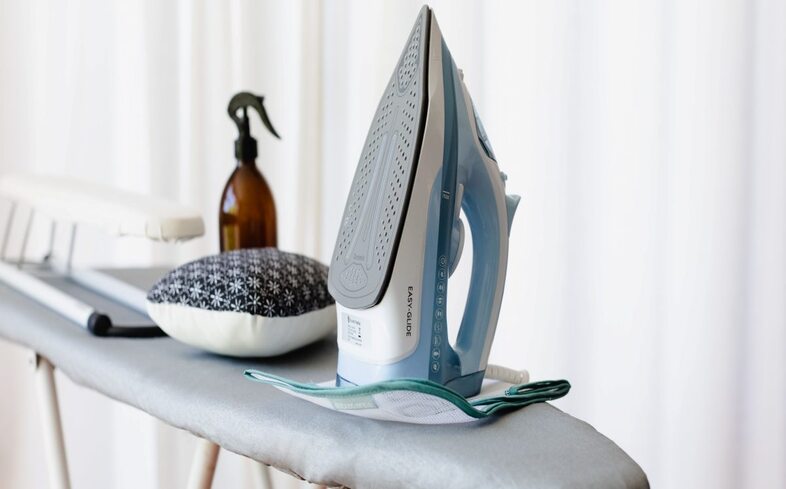
Don’t Iron Carelessly! A Safe Temperature Guide for Caring for Synthetic Fabrics
Synthetic clothing has become increasingly popular due to its lightweight feel, wrinkle resistance, and easy maintenance. However, many people still make mistakes when ironing these fabrics. Without proper temperature control, synthetic materials such as polyester, nylon, or spandex can be easily damaged—ranging from shiny marks and warping to melting.
That’s why understanding a safe ironing temperature guide for synthetic fabrics is essential to keep your clothes durable and looking neat. In this article, We will help You understand the correct ironing temperatures and provide safe care tips for synthetic materials.
Understanding the Characteristics of Synthetic Fabrics
What Are Synthetic Fabrics?
Synthetic fabrics are textile materials made from chemically processed fibers, often derived from petroleum. Some of the most commonly used in the fashion industry include:
- Polyester
- Nylon
- Acrylic
- Spandex / Lycra
These materials are engineered to have specific properties such as being lightweight, elastic, wrinkle-resistant, and quick-drying. However, because they are plastic-based, synthetic fabrics generally have lower heat resistance compared to natural fibers like cotton or linen.
Why Are Synthetic Fabrics Sensitive to Heat?
Synthetic fibers have relatively low softening points. For example, polyester can begin to soften at high temperatures and may become damaged when exposed to excessive heat from an iron.
As a result, using temperatures that are too high may cause:
- Fabric melting or shrinking
- Shiny marks on the surface
- Permanent fiber damage
- Fabric sticking to the iron
This is why using the correct ironing temperature for synthetic fabrics is crucial to maintaining their quality.
Safe Temperature Guide for Ironing Synthetic Fabrics
Ideal Temperature Range for Synthetic Materials
Below is a general ironing temperature guide for common synthetic fabrics:
| Fabric Type | Ideal Ironing Temperature |
|---|---|
| Nylon | ± 135°C |
| Acrylic | ± 135°C |
| Spandex / Lycra | ± 135°C |
| Polyester | ± 148°C |
Low to medium heat is the safest choice for ironing synthetic fabrics. Many modern irons even come with a dedicated “synthetic” mode to help prevent incorrect temperature settings.
Understand Care Labels on Clothing
Before ironing, You should always check the care label on your clothing. These labels typically indicate ironing temperatures using dot symbols:
- 1 dot: low heat (synthetic fabrics)
- 2 dots: medium heat
- 3 dots: high heat
If your garment is made from blended materials, always use the lowest recommended temperature to avoid damaging the most sensitive fibers.
Safe Tips for Ironing Synthetic Clothing
Start with Low Heat
If You are unsure about the fabric type, begin with a low heat setting. You can gradually increase the temperature until wrinkles are removed without damaging the fabric.
Iron Inside Out
To prevent shiny marks, it is best to iron synthetic garments inside out. This method also protects the outer surface from direct heat exposure.
Use a Protective Cloth
Place a thin cloth between the iron and the garment to reduce direct heat contact. This is especially useful for delicate materials like thin polyester or spandex.
Sort Clothes by Fabric Type
Before ironing, separate clothes based on fabric type. Start with materials that require the lowest temperature, such as nylon, and move up to those that can handle higher heat.
Avoid Pressing Too Long
Synthetic fabrics do not require prolonged heat exposure. Keep the iron moving steadily and avoid leaving it in one spot for too long.
The Importance of Proper Care for Synthetic Clothing
Proper care not only keeps your clothes looking neat but also extends their lifespan. By understanding the safe ironing temperature guide for synthetic fabrics, You can prevent fiber damage, maintain garment shape, and preserve textile quality over time.
On the other hand, choosing high-quality textile materials also plays a major role in the final result, including how easy the garments are to maintain.
Ironing synthetic fabrics should never be done carelessly. The right temperature settings, proper ironing techniques, and a good understanding of fabric characteristics are key to keeping your clothes durable and comfortable to wear.
If You are looking for high-quality textile products with the best materials and easier maintenance, don’t hesitate to choose the right supplier.