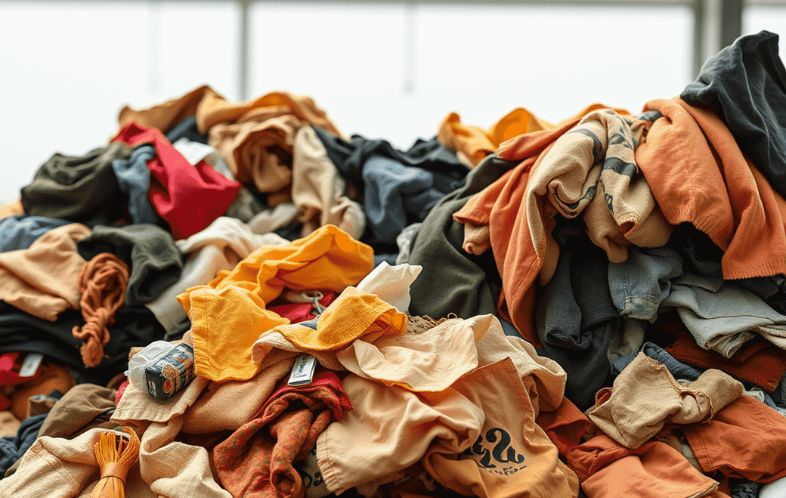
From Donation to Recycling: 7 Ways to Reduce Textile Waste
The textile industry plays an important role in our daily lives, from clothing to various household needs. However, the rising consumption of textile products also contributes to the growing amount of textile waste ending up in landfills. The good news is, there are various simple steps we can take to help reduce the environmental impact of textiles.
Here are 7 ways to reduce textile waste that you can start applying today.
1. Donate Wearable Clothing
Extend the lifespan of textile products
According to the environmental organization WRAP, reusing textile products is one of the most effective steps to extend their useful life before they enter the recycling process. Therefore, donating clothes that are still in good condition can help reduce textile waste while maximizing the product's functional value.
2. Implement Textile Recycling
Turning waste into new materials
Textile recycling allows used fibers or fabrics to be reprocessed into new products. Currently, various companies and organizations have developed recycling systems to reduce the amount of textile waste that ends up in landfills. According to data from the United Nations Environment Programme (UNEP), implementing a circular economy is one of the key strategies to reduce the environmental impact of the textile industry.
3. Utilize Upcycling
Giving new value to old products
Unlike recycling, upcycling transforms old textile products into new items with higher functional or aesthetic value. For instance, leftover production fabrics can be processed into bags, pouches, pillowcases, or other creative products.
4. Reduce Fast Fashion Purchases
Shop more wisely and based on your needs
The high consumption of fast fashion is one of the leading causes of the increase in global textile waste. Buying products based on necessity, rather than just passing trends, can help reduce the volume of clothing that gets quickly discarded. Choosing products that are truly needed is also a simple step toward sustainable fashion.
Read also: From Fast Fashion to Sustainable Fashion, What's the Difference and Why Does It Matter?
5. Choose High-Quality Textile Products
An investment for long-term use
High-quality textile products generally offer better durability, meaning they do not need to be replaced frequently. Aside from being more cost-effective in the long run, this step also helps reduce the volume of textile waste generated each year.
6. Care for Textile Products Properly
Extending the lifespan of fabrics and clothing
Proper care can make textile products last much longer. Some of the ways to do this include:
- Washing according to care instructions
- Using an appropriate amount of detergent
- Avoiding excessive washing
- Storing textile products in a clean and dry place.
The longer the lifespan of a product, the smaller its contribution to textile waste.
7. Support Sustainable Production Practices
Choosing eco-conscious manufacturers
Beyond changes on the consumer side, reducing the environmental impact of textiles also requires supporting manufacturers that implement sustainable practices. This can include using more responsible raw materials, improving water and energy efficiency, and managing production waste more effectively. A report from the European Environment Agency (EEA) shows that extending the lifespan of textile products and increasing reuse rates can help reduce environmental pressures from the textile sector.
Reducing textile waste does not always require massive changes. From donation, recycling, and upcycling, to choosing longer-lasting products, every single step can bring a positive impact on the environment. The more parties involved, the greater the contribution we can make to support a more sustainable textile industry.
In your opinion, which step is the most feasible to start implementing today?