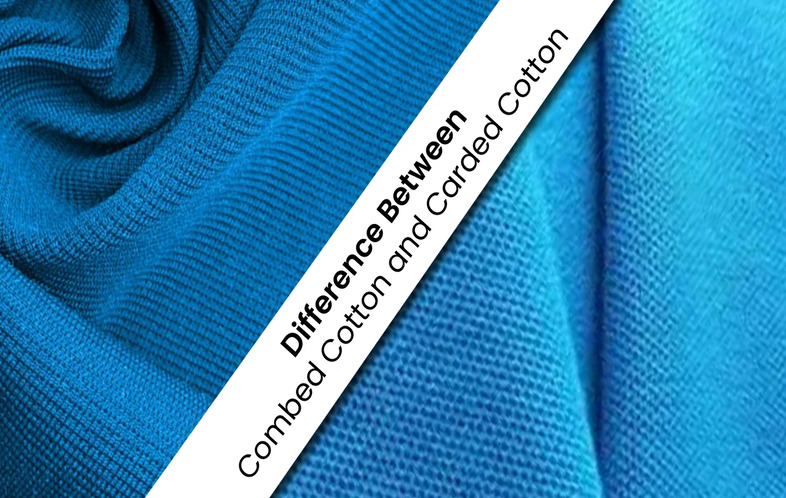
Combed Cotton vs. Carded Cotton: Characteristics, Advantages, and Drawbacks
Choosing the right type of cotton fabric is an important step to produce high-quality textile products. Whether you are in the fashion business, garment production, or a DIY enthusiast, understanding the difference between cotton combed vs carded will help you make the right decision. Both are made from natural cotton fibers, but their production process and characteristics have unique differences.
Image source: Soerabaja45
In this article, we will discuss the characteristics, advantages, and disadvantages of cotton combed and cotton carded, so you can decide which one best suits your needs.
Understanding Cotton Combed and Carded
What is Cotton Combed?
Cotton combed is a cotton fabric that undergoes an additional combing process. Short fibers and impurities are removed, resulting in a smoother, softer, and more even fabric. This process makes cotton combed highly popular for premium products such as branded t-shirts, baby clothing, and high-quality bed linens.
What is Cotton Carded?
Cotton carded is cotton that only goes through the basic carding process without additional combing. As a result, the fibers are slightly coarser and less smooth than combed cotton. However, cotton carded is still durable and strong, making it widely used for promotional t-shirts, uniforms, or casual wear that doesn’t require a very soft texture.
Key Differences Between Cotton Combed vs Carded
Texture and Appearance
Combed: The surface is smoother, neater, and more even. Colors appear brighter due to tightly packed fibers.
Carded: Slightly rougher texture with visible “hairy” fibers. The appearance is more natural and less shiny.
Production Process
Combed: Includes an additional combing process that takes more time and cost.
Carded: Only goes through carding, making it faster and more economical.
Comfort
Combed: Extremely comfortable to wear, especially for sensitive skin due to its softness.
Carded: Comfortable for daily wear, though not as soft as combed.
Advantages and Disadvantages of Cotton Combed vs Carded
| Fabric Type | Advantages | Disadvantages |
|---|---|---|
| Cotton Combed | - Very smooth and soft texture, gentle on the skin- Long-lasting and resistant to pilling- Brighter color, ideal for screen printing or fabric printing | - Higher price compared to carded- Requires extra care to maintain durability |
| Cotton Carded | - More economical, suitable for mass production- Strong and durable- Faster and more efficient production process | - Rougher texture, less ideal for sensitive skin- Short fibers make fabric prone to pilling after repeated washing |
Tips for Choosing Cotton Combed or Carded
Match with Product Needs
If you prioritize comfort and a premium look, cotton combed is the best choice. However, for promotional t-shirts, uniforms, or products with budget considerations, cotton carded is more efficient.
Consider the Budget
Cotton combed is more expensive, while carded provides good quality at a more affordable price.
Understand Your Target Consumers
Do your customers prefer softness and smoothness, or do they value strength and durability more? The answer will help guide your choice.
According to Fils Lifestyle, the difference between cotton combed vs carded lies in their production process, texture, and usage. Cotton combed stands out for its softness and premium impression, while cotton carded is valued for its strength and affordability.
By understanding the characteristics, advantages, and disadvantages of each, you can choose the most suitable material for your textile products.