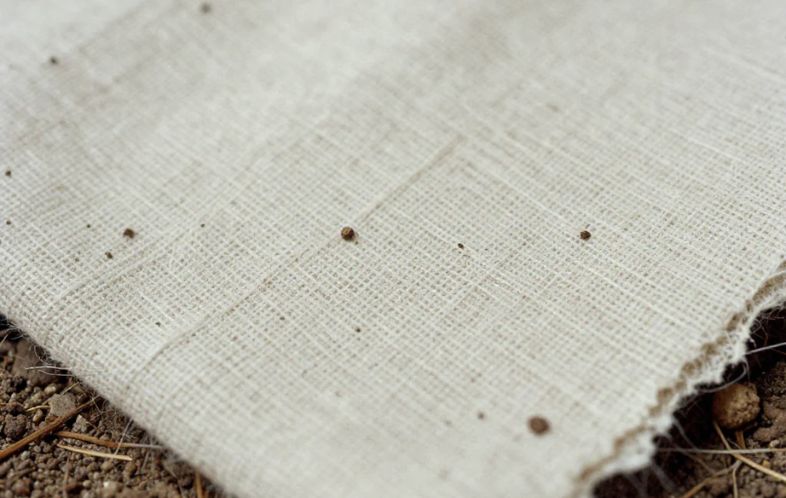
Biodegradable Fabric: A Future Solution for Reducing Textile Waste?
Every year, millions of tons of textile waste are generated by the global fashion and textile industries. On the other hand, awareness of the importance of sustainability continues to rise, driving industry players and consumers to seek more environmentally friendly materials. One innovation that is being increasingly discussed is biodegradable fabric—cloth that can decompose naturally after its useful life ends.
So, can this material truly become a future solution for reducing textile waste?
What Is Biodegradable Fabric?
Biodegradable fabric is a type of textile that can be broken down by microorganisms such as bacteria and fungi into natural compounds—such as water, carbon dioxide, and biomass—within a certain timeframe. Unlike conventional synthetic fibers that can persist in the environment for decades or even hundreds of years, biodegradable fabrics are designed to leave a much lower waste footprint.
Materials commonly used in biodegradable fabrics
Several materials known to have biodegradable properties include:
Cotton
Linen from flax fibers
Hemp
Wool
Silk
Lyocell or Tencel derived from wood pulp
However, it is important to note that the biodegradability rate of a fabric is also influenced by the dyeing process, finishing treatments, and the fiber blends used during production.
Why Is Biodegradable Fabric Growing in Popularity?
The popularity of biodegradable fabric is closely tied to the growing attention toward environmental issues and the circular economy. Many textile and fashion companies are now starting to evaluate the use of more sustainable materials to reduce their environmental footprint.
Rising awareness of textile waste
According to various global industry reports, textile waste is one of the biggest challenges in the modern fashion supply chain. The majority of discarded clothing still contains synthetic fibers that are difficult to decompose naturally.
Because of this, the use of biodegradable fabric is considered a key step that can help reduce the accumulation of textile waste in the future.
Support from the sustainable fashion industry
The concept of sustainable fashion continues to grow in various countries. Many international brands are starting to increase their use of natural fibers and bio-based materials as part of their sustainability strategies. This has also driven innovation in developing fabrics that decompose more easily without sacrificing product quality and performance.
What Are the Advantages of Biodegradable Fabric?
In addition to supporting waste reduction efforts, biodegradable fabric offers a number of benefits that make it increasingly relevant to the modern textile industry.
Reducing long-term environmental impact
Because they can decompose naturally, biodegradable fabrics have the potential to reduce the amount of waste that ends up in landfills. This offers an added value for companies looking to support more responsible production practices.
Supporting circular economy principles
In the concept of a circular economy, materials should ideally be used, recycled, or returned to nature with minimal impact. Biodegradable fabric aligns with this principle because it is designed to have a more sustainable lifecycle.
Meeting growing market demand
Today, more and more consumers and business partners are considering sustainability aspects when choosing textile products. Therefore, utilizing eco-friendly materials can serve as an important competitive advantage for companies.
Is Biodegradable Fabric the Solution for the Future?
Challenges still need to be addressed
While promising, biodegradable fabric is not a silver bullet for tackling textile waste. Factors such as production processes, chemical usage, post-consumer waste management, and recycling infrastructure still play a crucial role in creating a truly sustainable industry.
Potential to be part of an industry transformation
With rising material innovation and global market demands for eco-friendly practices, biodegradable fabric is expected to play an increasingly significant role in the future of the textile industry. When combined with production efficiency, responsible product design, and proper waste management, this material can become one of the key solutions to mitigating the environmental impact of the textile sector.
The textile industry continues to move toward a more sustainable future.
In your opinion, will biodegradable fabric become the new standard in global textile production?