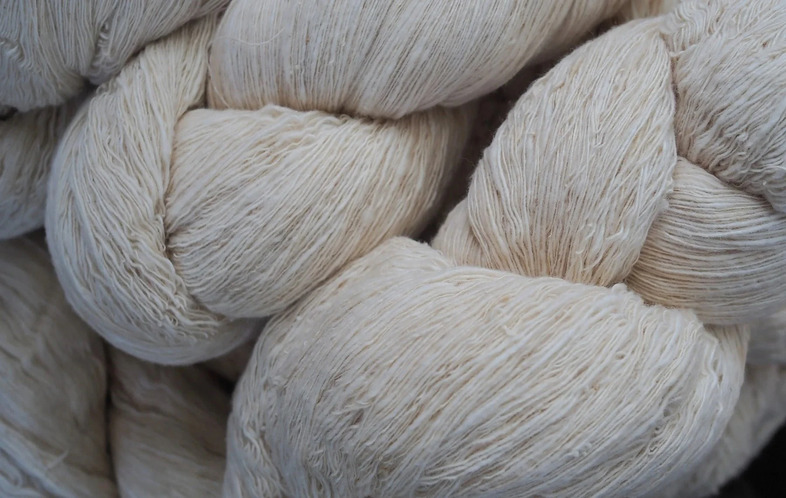
Here’s How the Textile Industry Determines Cotton Yarn Quality Standards
In the textile industry, yarn quality serves as the foundation that determines the overall quality of fabrics and final products such as garments, home textiles, and technical textiles. Although it may seem simple, cotton yarn actually goes through a fairly complex evaluation process before being deemed suitable for production. The textile industry applies various parameters and testing standards to ensure that the yarn used delivers optimal strength, consistency, and performance.
So, how does the textile industry determine cotton yarn quality standards? Here’s a complete explanation.
Why Cotton Yarn Quality Standards Are Important
Determining fabric and end-product quality
Yarn quality has a significant impact on the final fabric. Low-quality yarn can result in fabrics that tear easily, appear uneven, or are difficult to process during weaving or knitting.
In modern textile production, parameters such as tensile strength, yarn evenness, and defect levels are used to evaluate yarn quality before it enters the production stage.
Maintaining production efficiency
Yarn that does not meet quality standards often breaks during spinning, weaving, or knitting processes. This can slow down production and increase operational costs in textile manufacturing.
That’s why textile companies typically implement strict quality control systems to ensure the yarn used is consistent and aligned with production specifications.
Key Parameters in Cotton Yarn Quality Standards
In industrial practice, cotton yarn quality standards are not determined solely by raw materials. Several technical indicators are used to assess yarn quality.
1. Fiber quality
Cotton yarn quality begins with the fiber itself. Key parameters include:
- Staple length
- Fiber fineness (micronaire)
- Fiber strength
- Impurity content
Longer and finer fibers generally produce stronger, smoother, and higher-quality yarn.
2. Yarn count
Yarn count is a measurement that indicates the thickness of the yarn.
- Higher yarn count: finer yarn
- Lower yarn count: thicker yarn
For example, high-count yarn is commonly used for lightweight fabrics such as shirts or chiffon, while thicker yarn is used for denim or heavy textiles.
3. Twist level
The level of twist in yarn is typically measured using Twist Per Inch (TPI).
Twist plays a crucial role in binding cotton fibers together to form yarn. Too little twist results in weak yarn, while too much twist can make the yarn stiff and less comfortable.
Therefore, the textile industry determines the optimal twist level based on the type of fabric being produced.
Physical Testing to Evaluate Yarn Quality
In addition to basic parameters, the textile industry also relies on laboratory testing to ensure that cotton yarn meets established standards.
1. Tensile strength test
This test measures how much force is required to break the yarn.
High-quality cotton yarn typically has a tenacity value of around 18–25 g/tex for ring-spun yarn, indicating strong performance for various textile applications.
2. Yarn evenness test
Yarn evenness reflects how consistent the yarn diameter is its length.
The industry commonly uses systems such as USTER testing to measure parameters including:
- Evenness (U%)
- Thick places
- Thin places
- Neps (fiber clusters)
The lower the irregularity values, the better the yarn quality.
3. Elongation and flexibility test
Cotton yarn is also tested for its ability to stretch before breaking.
Typically, cotton yarn has an elongation of around 6–10%, indicating a balance between strength and flexibility during fabric production.
Industry Standards Used to Evaluate Cotton Yarn
To maintain global quality consistency, the textile industry follows various international standards.
1. ISO and ASTM standards
Commonly used standards include:
- ISO 2062 for testing yarn strength and elongation
- ASTM D2256 for evaluating tensile properties of yarn
These standards ensure that testing methods are applied consistently across textile laboratories worldwide.
2. Safety and sustainability certifications
In addition to technical quality, the modern textile industry also considers sustainability and safety aspects, such as:
- OEKO-TEX Standard 100 to ensure textiles are free from harmful substances
- GOTS or BCI for more sustainable cotton sourcing
These certifications are increasingly important as consumers and global brands place greater emphasis on environmental responsibility and product safety.
Determining cotton yarn quality standards in the textile industry is not a simple process. Manufacturers must consider multiple factors, from fiber quality and yarn count to twist levels and laboratory test results such as tensile strength and yarn evenness.
By implementing strict quality standards, textile producers can ensure that the yarn used delivers strong, comfortable, and consistent fabrics. This not only improves the quality of the final product but also enhances production efficiency and builds customer trust.
Looking for high-quality textile products for your business needs?
For more information about the best textile solutions, feel free to contact us.