Cool and Comfortable: Why Cotton Is the Right Fabric for Hot Weather
When the weather gets hot, choosing the right clothes is not just about the model or color. The fabric used also plays a role in determining whether the clothing feels comfortable or actually makes you feel warmer. Because of this, suitable clothing fabrics for hot weather need to have characteristics that support comfort when worn in warm and humid conditions.
One material that has long been known for daily wear needs is cotton. As a natural fiber, cotton has breathable and comfortable characteristics, making it widely used for various textile products.
So, what makes cotton suitable for use during hot weather?
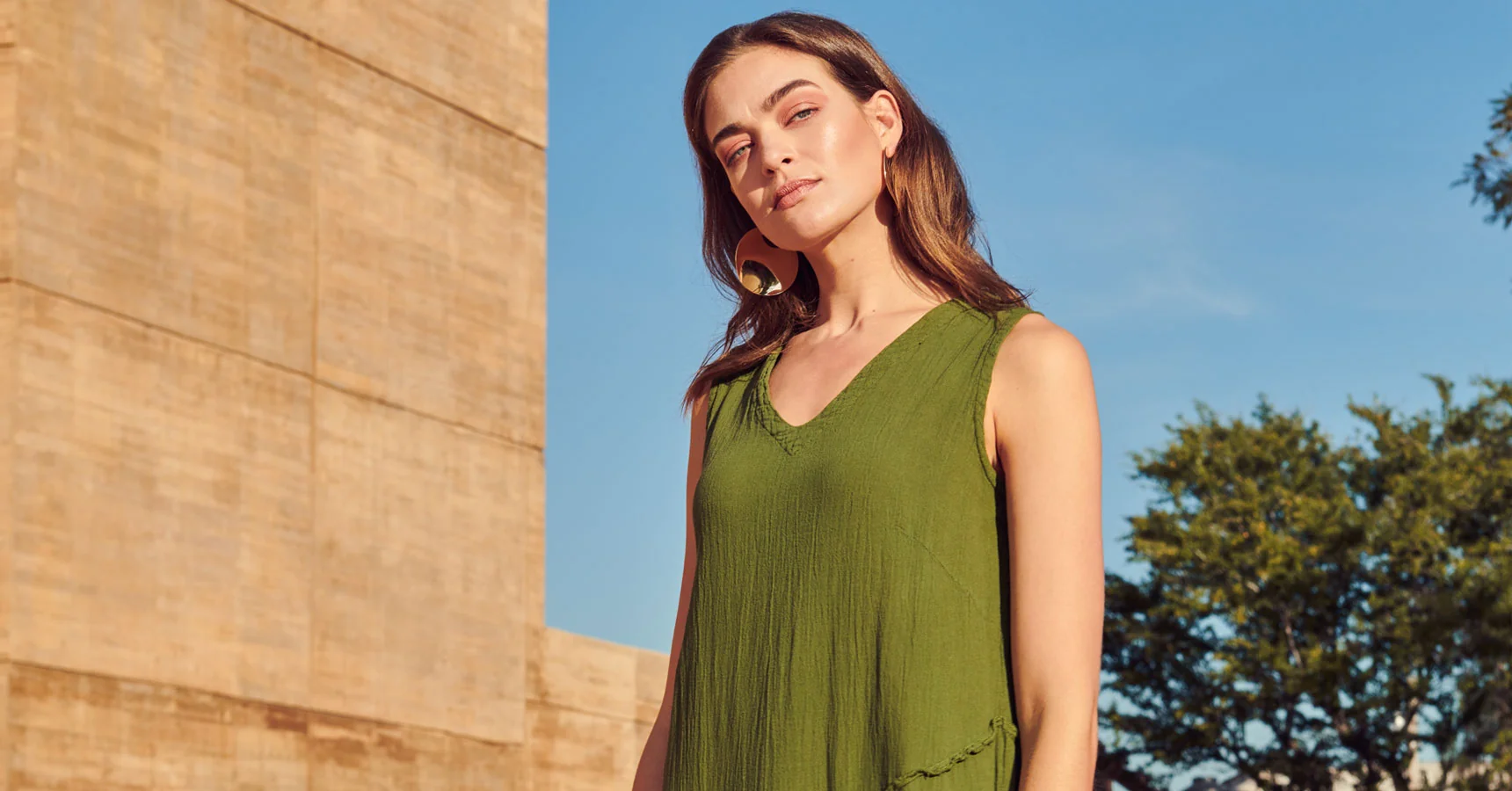
Sumber gambar: Oh My Gauze

Why Is Cotton Suitable for Hot Weather?
Breathable and comfortable to wear
One of the main characteristics of cotton is its ability to provide good air circulation. Cotton is known as a breathable material, which helps offer a sense of comfort when worn. CottonWorks also explains that cotton naturally possesses a breathable character and helps release moisture.
These characteristics make cotton a frequent choice for daily wear, especially when comfort is a primary consideration.
Capable of absorbing moisture
Besides being breathable, cotton also has the ability to absorb moisture. This property helps cotton absorb sweat from the body. However, keep in mind that moisture-absorption capability does not always mean the fabric will dry quickly. The final performance can still be influenced by fabric construction and finishing processes.
This means when choosing cool fabrics for hot weather, cotton can be an appealing option, but material specifications still need to be tailored to the product's needs.
Cotton for Textile Product Needs
Combed and carded cotton
In textile production, cotton does not only come in a single type. Combed cotton and carded cotton, for instance, have different processing characteristics and results.
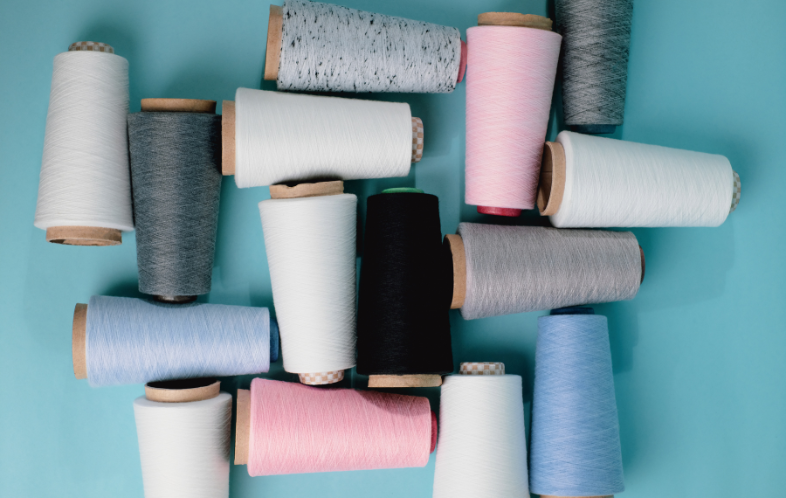
Combed cotton undergoes an extra combing process to help remove short fibers, resulting in a yarn surface that tends to be smoother and cleaner. Meanwhile, carded cotton uses a simpler carding process. The choice can be adjusted based on product needs, ranging from target hand feel, appearance, and yarn strength to production efficiency.
Therefore, selecting clothing fabrics for hot weather shouldn't stop at the material name alone. Cotton yarn specifications are also crucial to consider so that they align with the character of the product being made.
U.S. Cotton as a raw material
The quality of cotton as a raw material also plays a role in the yarn spinning process. Parameters such as fiber length, uniformity, strength, and micronaire can be key considerations during spinning.
Danar Mas Group uses U.S. Cotton in yarn production, considering its fiber characteristics and consistency for spinning needs. This demonstrates that raw material selection is a vital part of producing cotton yarn with characteristics that meet industry needs.
Read also: Getting to Know U.S. Cotton: Characteristics and Advantages for Yarn Production
How to Choose Cotton for Hot Weather?
Tailor it to product needs
Not all clothing products require the same cotton specifications. For everyday wear, comfort and hand feel might be the main priorities. Meanwhile, for industrial needs, factors like yarn strength, consistency, appearance, and production efficiency must also be calculated.
So, if you are looking for clothing fabric that is suitable for hot weather, cotton can be an attractive choice thanks to its breathable and comfortable nature. However, the selection of cotton yarn types still needs to be adjusted to the design, fabric construction, and intended product use.
Cotton Alone Is Not Enough: Pay Attention to Fabric Construction
Thickness and construction affect comfort
Even though cotton is known as a suitable fabric for hot weather, clothing comfort is not determined solely by the fiber type. Fabric thickness, density, and fabric weight can also influence how the clothing feels when worn.
Lighter cotton fabrics with a construction that allows air circulation can feel much more comfortable in warm conditions. Therefore, when choosing cotton for a clothing product, you shouldn't only look at the "100% cotton" label, but also consider the yarn and fabric specifications used. That way, the material characteristics will better match the function and needs of the final product.
Need Cotton Yarn for Your Textile Products?
Choosing the right cotton starts with proper raw materials and yarn specifications. Danar Mas Group produces cotton yarn and utilizes U.S. Cotton in its production process to meet the needs of the textile industry.
If you currently need cotton yarn for your textile products, contact the Danar Mas Group team to discuss your specifications and production needs.