7 Ways to Choose Quality Fabric for Your Fashion Business
Starting a fashion business requires more than just relying on attractive designs or following the latest trends. Many brands face challenges after production is complete, ranging from uncomfortable materials and easy wrinkling to garment shapes that do not meet customer expectations. This is where fabric selection plays a crucial role. The right material can help improve product quality, strengthen brand positioning, and provide the best experience for customers. Therefore, understanding how to choose fabric for a fashion business is a vital step before entering the production stage.
1. Understand the Type of Product to be Produced
Every fashion product requires different material characteristics. Fabric selection should always start with the product's final function.
Match the material to the product category
For example:
Shirts require neat and breathable materials
Dresses require materials with good drape
Pants require more durable fabrics that do not easily lose their shape If you are producing items such as shirts, blouses, dresses, trousers, or lightweight outerwear, materials with a more stable structure are usually more ideal to use.
2. Recognize the Fabric Structure and Character
Beyond appearance, it is important to understand how fabric construction affects the final result of the product.
Choose fabric according to design needs
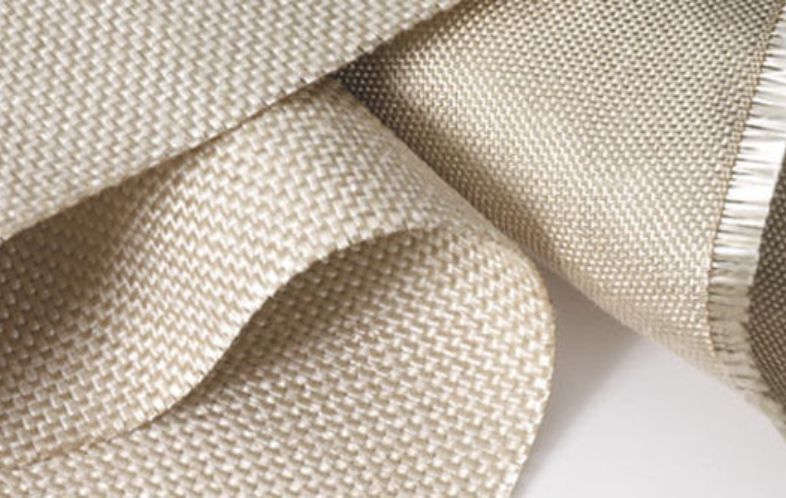
In general, fabrics are divided into several constructions, one of which is woven fabric. This type of fabric is made from cross-woven yarns, resulting in a sturdier, more stable, and neat structure. Because of these characteristics, woven fabric is widely used for:
Formal and casual shirts
Blouses and tunics
Dresses
Skirts
Trousers
Lightweight jackets or overshirts
Compared to materials with more stretch, woven is more suitable for products that require shape, durability, and a polished look.
3. Check Fabric Characteristics Before Choosing
Not all materials that look good perform according to your needs.
Pay attention to technical aspects of the material
Several important factors to check:
Breathability: Comfortable to wear in tropical climates
Weight/GSM: Determines the thickness of the fabric
Texture: Affects the handfeel and look
Wrinkle resistance: The level of resistance to creasing
Durability: Resistance to washing and wear For markets like Indonesia, breathable and comfortable materials usually have higher demand.
Read also: Thick vs. Thin: Which One Actually Determines Fabric Quality?
4. Align with the Target Market
Fabric selection must also align with the customer profile.
Identify your customer's priorities
Consider factors ranging from the customer's budget and lifestyle to their quality preferences. For example, the mass market is more sensitive to price and durability, while the premium market focuses more on comfort, handfeel, and finishing. A balance between quality and price is essential to keep the product competitive.
5. Pay Attention to Material Composition
Fiber composition affects the feel, look, and performance of the product.
Choose a composition that suits your business needs
Some popular material options:
Cotton woven: Breathable, soft, versatile
Polyester blend: Durable and wrinkle-resistant
Rayon woven: Flowy and comfortable
Linen blend: Premium look with good air circulation
For workwear, modest fashion, or casual wear brands, cotton-based or blended wovens are often an effective choice.
6. Conduct Testing Before Mass Production
A sample that looks good may not necessarily perform well after being worn.
Test the material quality first
You can try performing:
Wash test
Shrinkage test
Color fastness test
Sewing test
This testing helps minimize the risk of complaints and keeps product quality consistent.
7. Choose a Consistent Supplier
The right fabric supplier helps maintain brand quality in the long run.
Ensure the supplier has clear standards and high quality
Look for suppliers with stable quality between batches, flexible MOQs, a complete range of materials, and clear lead times. A consistent supplier will facilitate repeat production and help scale your business.
Choosing fabric for a fashion business requires considerations beyond just visual appearance. By understanding product needs, target markets, and material characters like woven fabric, you can produce products that are of higher quality and relevant to customer needs. Choosing the right material not only supports product quality but also helps build brand reputation in the long term.
Looking for woven fabric for your fashion brand needs?
Contact the Danar Mas Group team for information on woven fabrics in the form of greige fabric (un-dyed and unfinished) that suit your brand's production requirements.