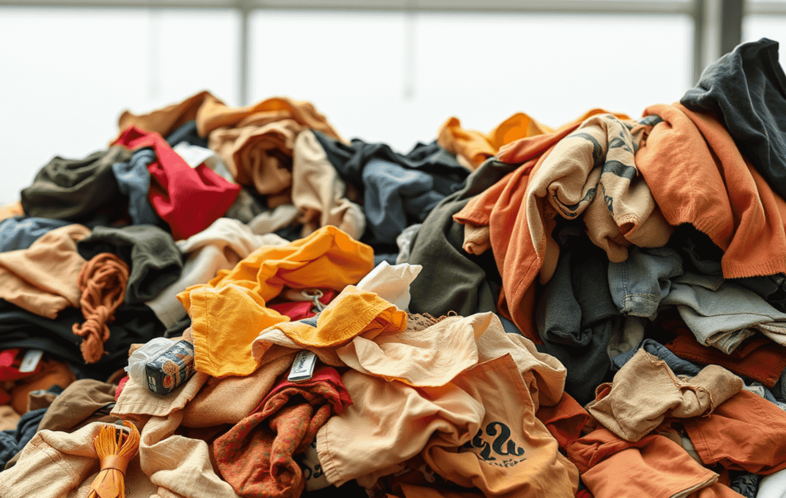
5 Textile Waste Recycling Innovations, from Used Clothing to New Accessories
The fashion and textile industry continues to grow rapidly, but at the same time, it also generates a significant amount of waste. From used clothing and production fabric scraps to textile-based accessories, all of these materials have the potential to become textile waste if not managed properly.
The good news is that more textile and fashion companies are now implementing textile waste recycling programs through a circular economy approach. Materials that were once considered worthless can now be transformed into new resources, or even functional products with higher added value.
We have summarized 5 innovations that can turn textile waste into valuable products, which may also inspire ideas for your business.
1. Textile Waste Collection or Take-Back Program
One of the earliest innovations in textile waste management is the textile collection or take-back program. Through this system, companies or brands encourage consumers to return used clothing, bags, shoes, or other textile materials that are no longer in use.
Programs like this help reduce textile waste ending up in landfills while creating opportunities for reuse and recycling. Unused textile materials can be collected, sorted, and processed through methods such as sorting, upcycling, and recycling to create more valuable new products.
Why is this program important?
- Reduces post-consumer waste
- Encourages consumer participation in circular fashion
- Provides materials for the next recycling processes
2. Sorting and Material Recovery
Once textile waste is collected, the next step is sorting or material separation. Not all textile waste can be processed in the same way. Materials are typically sorted based on:
- Fiber type (cotton, polyester, rayon, etc.)
- Color
- Material condition
- Fiber blends (blended fabrics)
Sorting is an essential step because it determines whether materials will go into reuse, upcycling, or textile waste recycling processes.
Results of the sorting process
- Reusable materials for second use
- Textile scraps for recycling
- Non-recyclable waste requiring alternative treatment
Without proper sorting, recycling processes can become inefficient and reduce output quality.
3. Fabric Scrap Recycling
In addition to used clothing, textile factories also generate production waste such as fabric offcuts, leftover yarn, or rejected fabrics. These materials can be processed through fabric scrap recycling.
Fabric scraps are shredded into fibers and then processed into:
- Recycled yarn
- Non-woven fabric
- Stuffing materials
- Industrial cloth
This approach is commonly used to reduce pre-consumer waste from textile manufacturing processes.
Benefits of fabric scrap recycling
- Minimizes production waste
- Reduces dependency on virgin raw materials
- Supports sustainable manufacturing
Read also: Latest Textile Recycling Innovation: Textile-to-Textile Recycled Polyester
4. Fiber-to-Fiber Recycling
A more advanced innovation is fiber-to-fiber recycling, which converts textile waste back into new fibers. Unlike conventional upcycling, this method allows materials to re-enter the production chain as raw materials.
This process can be carried out through:
Mechanical Recycling
Fabric is physically shredded back into fibers.
Chemical Recycling
Polymers or cellulose is chemically broken down to create new materials.
5. Upcycling into High-Value New Products
Not all textile waste needs to be broken down into fibers. Some materials can have even greater value when processed through upcycling.
With this approach, used clothing, bags, or textile scraps can be transformed into products such as:
- Camera straps
- Phone straps
- Tote bags
- Pouches
- Fashion accessories
For example, fabric from unused clothing or bags can be rewoven into camera straps or phone straps. This approach not only reduces waste but also creates products with stronger sustainability value and unique product stories.
Why is upcycling becoming more popular?
- Higher product value
- More unique and creative designs
- Supports circular fashion and conscious consumption
It’s Time to Shift Toward More Valuable Textile Waste Management
Programs such as Textile Waste Collection, Fabric Scrap Recycling, Fiber-to-Fiber Recycling, and Upcycling prove that textile waste is not the end of the production cycle. With the right strategy, used materials can be transformed into valuable new resources.
As the textile industry continues moving toward sustainability, choosing the right materials and production partners also plays an important role.
Among the innovations above, which approach do you think is the most effective in reducing textile waste?