Cotton vs. Wool Yarn: What's the Difference and Which One is Right for You?
Choosing yarn for a textile product is not just about color or thickness. The type of fiber used from the start will influence the fabric's character, comfort, and the function of the final product. Two well-known choices in the textile industry are cotton yarn and wool yarn. Both originate from natural fibers, but they possess different characteristics. So, what are the differences between cotton and wool yarn, and how do you make the right choice?
Getting to Know the Characteristics of Cotton and Wool Yarn
Cotton yarn comes from plant fibers
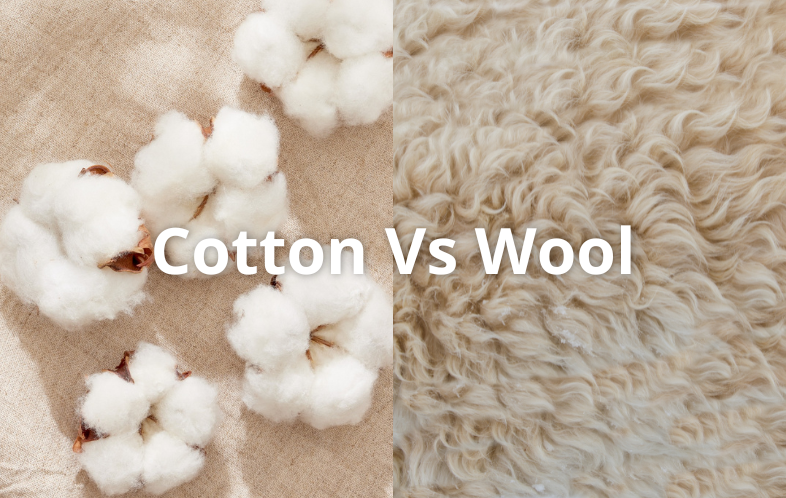
Cotton is a cellulose-based natural fiber derived from the cotton plant. This fiber can be processed into yarn for various textile needs, ranging from daily wear to other textile products. One of the most important things in determining cotton quality is its fiber character. Fiber length, strength, length uniformity, micronaire, and several other parameters can influence the spinning process as well as the resulting yarn character. Due to its natural characteristics, cotton is widely chosen for products that prioritize comfort, softness, and moisture absorption capabilities.
Wool yarn has a different natural character
Unlike cotton, wool is a natural protein fiber generally derived from sheep's fleece. The structure of wool fiber gives it elasticity, moisture management capabilities, and the ability to help regulate body temperature. Wool can also be processed into several yarn types. The woollen system generally produces thicker yarn suitable for products requiring a warm character, whereas worsted yarn uses longer fibers and produces fabrics that tend to be lighter and smoother.
Cotton vs. Wool Yarn, What Are the Differences?
Cotton for comfort and lighter use
If you are looking for yarn for products that feel comfortable and relatively cool, cotton can be a suitable choice. The character of cotton fiber supports liquid absorption capabilities and produces a comfortable sensation when worn. This is one of the reasons why cotton is widely used for casual wear, T-shirts, shirts, and various textile products used on a daily basis.
Wool for warmth and elasticity
Wool has more prominent characteristics in temperature regulation and elasticity. Its crimped fiber structure helps create air spaces within the material, thereby helping to retain body temperature. These characteristics make wool widely used for knitwear, sweaters, outerwear, and products that require higher insulation capabilities.
Read also: Textile Certification is the Key to Entering Export Markets, Here Is Why
How to Choose the Right Yarn?
Match it with the product function
No single type of yarn is automatically suitable for all needs. The selection should start from the product's function, the desired fabric character, usage conditions, and the required technical specifications. For products that prioritize daily comfort and usage in warm climates, cotton can be a relevant choice. Meanwhile, wool is more appropriate when products require a warm, elastic character and temperature regulation capabilities.
Fiber quality determines yarn quality
Aside from choosing between cotton or wool, raw material quality is also an important part of the production process. In cotton, for example, fiber length and uniformity are related to strength and spinning process efficiency. The use of quality cotton, including cotton sourced from origins such as U.S. Cotton, combined with a production process that pays attention to fiber characteristics, yields yarn that can be utilized for various textile needs.
So, Cotton or Wool?
The main difference between cotton and wool yarn lies in their respective characters and functions. Cotton tends to excel for needs prioritizing comfort, softness, and daily use, whereas wool offers a warm, elastic character and temperature regulation capabilities. Ultimately, the best choice is not just about the type of fiber, but how the yarn's character aligns with the needs of the product being made.
In your opinion, for current textile needs, which character—cotton yarn or wool yarn—is in higher demand?